
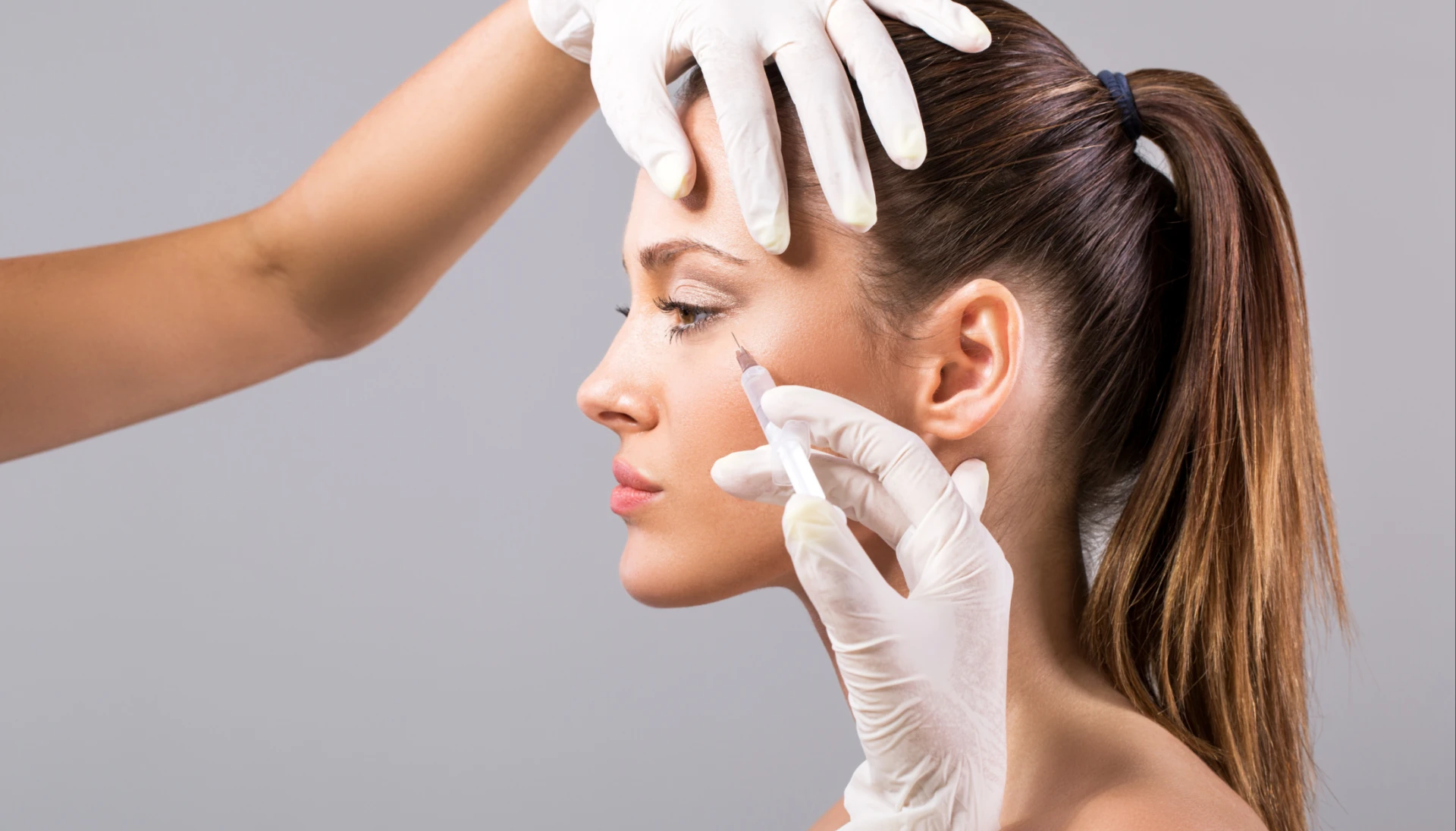
For many people exploring migraine management options, an important question arises: Can You Do Microneedling After Botox when using Botox in a comprehensive treatment plan? Understanding the timing between procedures, and how Botox works not only for wrinkles but also for pain relief, is crucial for safe and effective outcomes.
In this comprehensive guide, we explore Botox for migraines, its mechanism, who qualifies, possible side effects, and how it works alongside other therapies like microneedling when safely timed.
What Is Botox and How Does It Work for Migraines?
Botox (botulinum toxin type A) is widely known for its cosmetic benefits, but it also has an FDA‑approved therapeutic use for chronic migraines. Chronic migraines are defined as headaches occurring on at least 15 days per month, with migraine features on at least 8 of those days.
Botox works by interfering with pain signaling pathways. When injected into specific sites around the head and neck, it modulates muscle tension and inhibits neurotransmitters associated with pain, reducing the frequency and severity of migraine attacks.
The Science Behind Botox for Migraines
Neuromuscular Modulation
Botox inhibits the release of acetylcholine at neuromuscular junctions, relaxing muscles that contribute to tension or trigger point pain.
Neuropeptide Regulation
It also reduces the release of pain‑related neuropeptides such as calcitonin gene‑related peptide (CGRP), substance P, and glutamate. These play significant roles in migraine pathophysiology by triggering inflammation and widening blood vessels.
Pain Signal Disruption
By modulating peripheral nerve activity, Botox may indirectly affect central pain pathways involved in chronic migraine persistence.
Who Is a Candidate for Botox Migraine Treatment?
Botox is typically recommended for people with chronic migraines—not occasional headaches. Candidates generally meet the following criteria:
- At least 15 headache days per month
- Migraines lasting 4 or more hours
- History of ineffective or poorly tolerated preventive medications
- Optimum medical evaluation ruling out other causes
A licensed neurologist or headache specialist should evaluate and diagnose chronic migraine before Botox is considered.
Injection Sites and Protocol
The Botox migraine treatment protocol consists of multiple injections at 31 standardized sites around the head, temples, forehead, back of the neck, and upper shoulders. Total dosage usually ranges around 155–195 units per session.
Treatments are administered approximately every 12 weeks, with results often seen after 2–3 treatment cycles.
Effectiveness and Research Insights
Clinical trials and real‑world studies support Botox’s effectiveness for chronic migraine:
- Many patients experience a reduction in headache frequency
- Some report shorter, less intense migraine episodes
- Botox may reduce dependency on acute rescue medications
Studies show that patients who respond early often maintain improvements with regular injections.
Can You Do Microneedling After Botox? Considerations
If you are combining cosmetic and therapeutic procedures, such as using Botox for migraines and microneedling for skin concerns, timing matters.
Safe Schedule
- Wait 48–72 hours after receiving Botox before undergoing microneedling
- Wait up to 1 week for the Botox to fully stabilize in affected tissues
Microneedling induces mild inflammation and increases blood flow, which could theoretically alter Botox distribution if performed too soon after injections. A waiting period helps ensure the therapeutic effects are preserved.
Benefits Beyond Migraine Relief
While the primary aim of Botox treatment for migraines is headache reduction, some patients also notice:
- Improved muscle tension and neck comfort
- Reduced jaw clenching (beneficial for coexisting TMJ issues)
- Potential cosmetic improvements in forehead lines due to overlapping injection sites
However, aesthetic results should not be the main goal during medical migraine treatment.
Side Effects and Safety Profile
Common side effects are generally mild and temporary:
- Soreness at injection sites
- Neck pain or stiffness
- Headache after injections
- Mild eyelid or brow droop (rare)
Less common systemic effects are rare under professional care. Always work with a qualified neurologist or clinician experienced in migraine Botox.
Conclusion
Botox has emerged as a validated and FDA‑approved treatment option for chronic migraines, providing relief by modulating pain pathways and reducing headache frequency for many sufferers. When integrated into a holistic care plan, patients can experience meaningful improvements in quality of life.
If you are considering other procedures like microneedling for cosmetic concerns, understanding timing is essential. Can You Do Microneedling After Botox? Yes—when you allow an appropriate waiting period of 48–72 hours to 1 week to protect Botox’s stability and effectiveness.
Ultimately, Botox migraine treatment should be personalized based on medical history, migraine characteristics, and long‑term brain health strategies. Discuss all procedural plans, including combinations with microneedling, with your healthcare provider for safe, optimized outcomes.