When most people hear the word Botox, they immediately think of wrinkle reduction or forehead lines. But in modern dentistry, Botox has expanded far beyond traditional cosmetic uses. Today, it plays a growing role in improving smiles, balancing facial proportions, and even relieving certain jaw-related issues.
If you’ve been curious about how Botox may fit into aesthetic dentistry — especially in combination with orthodontic or cosmetic procedures — understanding its applications can help you make informed decisions. For individuals researching options like Botox for dental cosmetic smile Garden Grove CA, it’s helpful to explore how this treatment works within a dental setting and what results you can realistically expect.
What Is Botox and How Does It Work?
Botox is a purified form of botulinum toxin type A. In carefully controlled doses, it temporarily relaxes specific muscles by blocking nerve signals that trigger contraction.
In cosmetic medicine, this relaxation softens wrinkles caused by repeated facial expressions. In dentistry, the same principle can be applied strategically to improve smile aesthetics and reduce excessive muscle activity around the mouth and jaw.
The key is precision — small, targeted injections in specific facial muscles to create subtle, natural-looking changes.
Why Is Botox Used in Dentistry?
Dentists are uniquely qualified to administer Botox for smile enhancement because they have extensive training in:
- Facial anatomy
- Muscle movement patterns
- Jaw alignment
- Bite mechanics
- Smile symmetry
Unlike general cosmetic use, dental applications focus on how muscle activity affects your teeth, lips, and gum display during smiling.
Botox in dentistry is often used as part of a broader aesthetic or functional treatment plan.
Cosmetic Dental Applications of Botox
1. Gummy Smile Reduction
One of the most common dental cosmetic uses of Botox is correcting excessive gum display.
How It Works
If the upper lip lifts too high when smiling due to overactive muscles, small amounts of Botox can gently relax those muscles. This reduces how much the lip rises, covering more of the gums.
Result
A more balanced smile with less visible gum tissue — without surgery.
Results typically appear within a few days and last about three to four months.
2. Lip Line Balancing
Some individuals have uneven lip elevation when smiling. Botox can relax specific muscles on one side to improve symmetry.
This subtle adjustment can make a smile appear more harmonious without altering the teeth themselves.
3. Reducing Smile Lines Around the Mouth
Botox can soften deep vertical lines around the lips that may distract from dental work such as veneers or whitening.
When used conservatively, it enhances overall facial balance and complements cosmetic dental procedures.
4. Jaw Slimming and Facial Contouring
In some cases, enlarged masseter muscles (the muscles used for chewing) can create a wider lower face appearance.
Botox can gently reduce masseter muscle bulk over time, creating a softer jawline and improving facial proportions.
This application is both aesthetic and functional.
5. TMJ and Bruxism Relief
Beyond purely cosmetic use, Botox can help relieve:
- Teeth grinding
- Jaw clenching
- TMJ-related discomfort
By relaxing the muscles responsible for excessive tension, Botox reduces strain on teeth and jaw joints.
This can protect dental restorations and reduce headaches associated with clenching.
How Botox Enhances Cosmetic Dental Procedures
Botox is often used alongside treatments such as:
- Veneers
- Invisalign or braces
- Teeth whitening
- Gum contouring
- Smile makeovers
For example, after orthodontic treatment straightens teeth, Botox may refine lip elevation to optimize smile proportions.
In cosmetic dentistry, achieving harmony between teeth, gums, and lips is essential. Botox allows fine-tuning of soft tissue movement — something dental work alone cannot always accomplish.
What to Expect During a Dental Botox Appointment
The procedure is typically quick and straightforward.
Consultation
The dentist evaluates:
- Facial muscle activity
- Smile dynamics
- Lip movement
- Gum display
- Bite mechanics
Photos or digital imaging may be used to analyze your smile.
Treatment
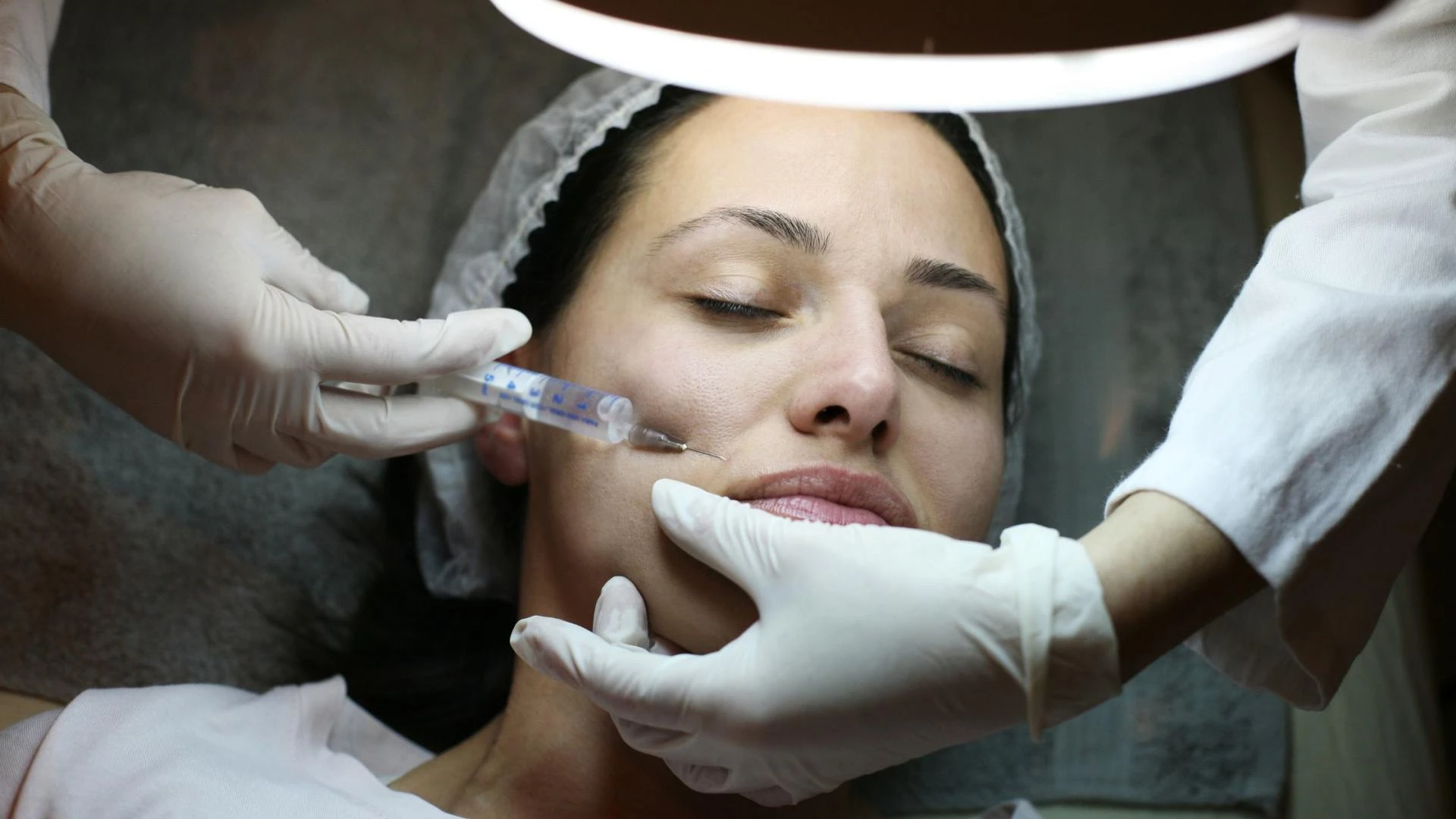
- The injection process takes approximately 10–20 minutes.
- Very fine needles are used.
- Discomfort is minimal and brief.
No anesthesia is typically required.
Aftercare
- Avoid strenuous exercise for 24 hours.
- Remain upright for several hours post-treatment.
- Minor redness or swelling at injection sites may occur temporarily.
Results usually become noticeable within 3–7 days.
How Long Do Results Last?
Botox effects are temporary. Most treatments last between three and four months.
With consistent treatments, some patients notice longer-lasting improvements as muscles adapt to reduced activity.
Because results are gradual and reversible, adjustments can be made over time to refine outcomes.
Is Botox Safe in Dental Settings?
When administered by trained professionals with knowledge of facial anatomy, Botox is considered safe and well-tolerated.
Dentists who offer Botox have additional training focused on:
- Facial muscle mapping
- Safe dosage
- Injection techniques
- Managing potential side effects
Side effects are rare but may include:
- Temporary bruising
- Mild swelling
- Slight asymmetry (usually correctable)
Choosing a provider experienced in both dental aesthetics and facial anatomy is key.
Who Is a Good Candidate?
Botox for smile enhancement may be appropriate if you:
- Show excessive gum tissue when smiling
- Have uneven lip movement
- Experience jaw tension or clenching
- Want to complement cosmetic dental work
- Desire subtle facial refinement
However, Botox may not be recommended for individuals who:
- Are pregnant or breastfeeding
- Have certain neuromuscular disorders
- Have specific allergies to Botox components
A consultation ensures candidacy and safety.
Common Misconceptions About Dental Botox
“It Will Freeze My Smile”
When used properly, Botox does not eliminate natural expression. It simply reduces overactivity in targeted muscles.
“It’s Only for Wrinkles”
Botox has functional applications in dentistry, including managing muscle imbalance and jaw tension.
“Results Look Obvious”
When administered conservatively, results appear natural. The goal is balance — not dramatic change.
Combining Function and Aesthetics
One of the biggest advantages of dental Botox is its ability to combine cosmetic refinement with functional benefit.
For example:
- Reducing clenching protects veneers and crowns.
- Relaxing hyperactive lip muscles enhances orthodontic results.
- Improving jaw symmetry supports overall facial balance.
Dentistry is no longer just about teeth — it’s about comprehensive facial harmony.
The Importance of a Personalized Evaluation
No two smiles are identical. That’s why Botox use in dentistry is highly individualized.
During your consultation, your provider will assess:
- Tooth alignment
- Gum proportions
- Lip position at rest and during smiling
- Muscle strength
- Overall facial proportions
If you’re exploring options such as Botox for dental cosmetic smile Garden Grove CA, a thorough evaluation helps determine whether Botox alone, or in combination with other procedures, is right for you.
Final Thoughts
Botox has evolved beyond wrinkle reduction and is now a valuable tool in modern cosmetic dentistry. When used thoughtfully, it enhances smile symmetry, reduces excessive gum display, and supports functional jaw health.
It’s not about changing your face — it’s about refining balance. Small adjustments in muscle activity can dramatically improve the overall harmony of your smile.
If you’ve been wondering whether Botox can enhance your dental results or improve your smile aesthetics, a professional consultation can provide clarity. With the right provider and a customized approach, Botox can be a subtle yet powerful complement to your overall smile design.