This article explores how high-precision electric tapping machines contribute to improved production quality, delves into the trade-offs involved, highlights key decision-making factors, and answers common questions about these machines.
Understanding the Electric Tapping Machine
A tapping machine is designed to cut internal threads in metal, plastic, or composite materials. While manual and pneumatic models exist, the electric tapping machine is gaining popularity due to its automation capabilities, energy efficiency, and enhanced control over speed and torque.
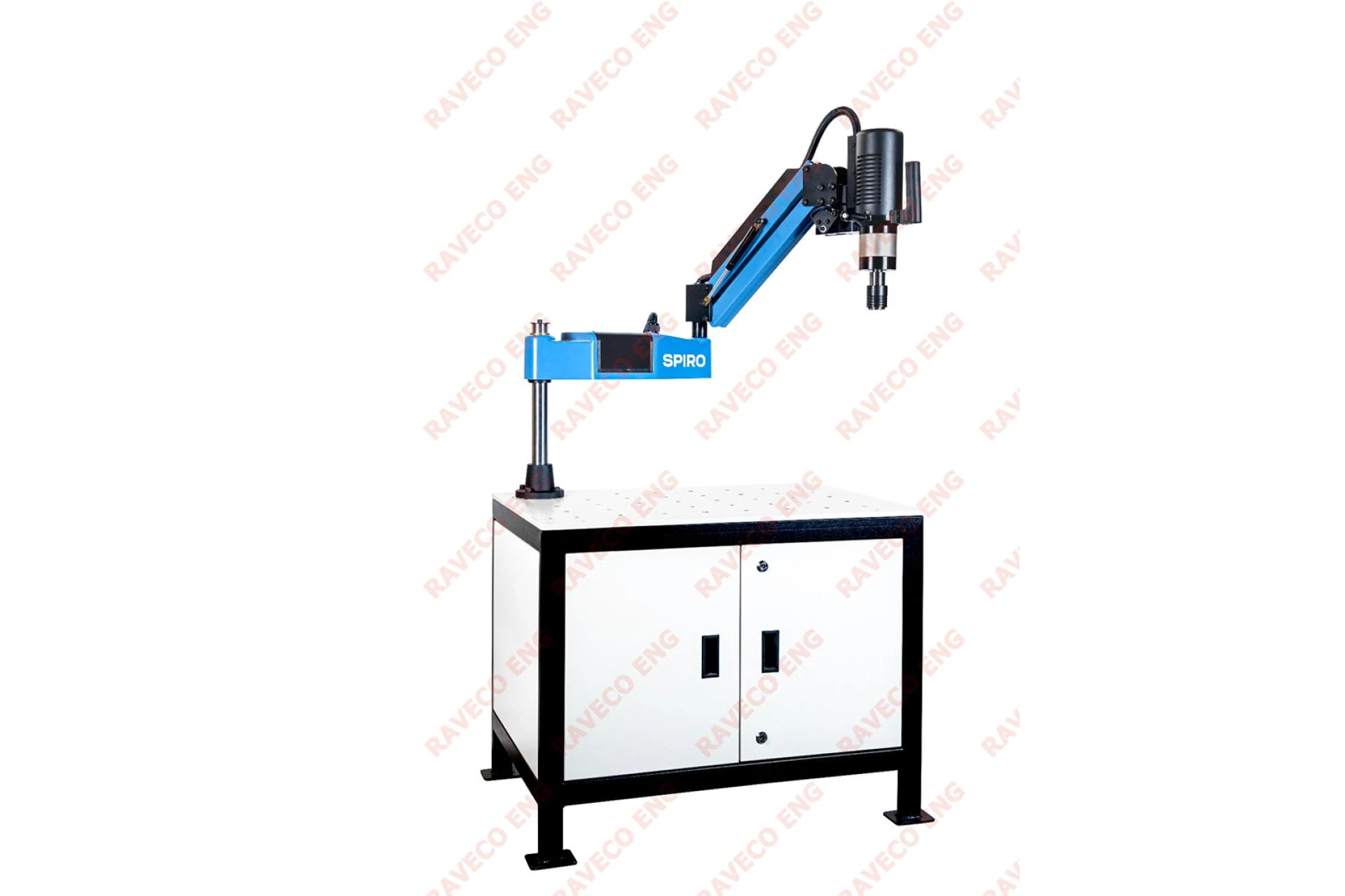
Electric tapping machines are often equipped with articulated arms or CNC-controlled spindles, ensuring consistent thread depth and alignment, which directly affects product quality.
Key Benefits of High-Precision Electric Tapping Machines
1. Enhanced Accuracy and Repeatability
Precision in threading means fewer reworks and reduced material waste. The consistent spindle control of an electric tapping machine allows for thread depths to be uniform across multiple workpieces.
2. Faster Production Time
Electric tapping machines can operate continuously with minimal manual intervention. They are ideal for mass production, helping manufacturers meet tight deadlines without compromising quality.
3. Reduced Operator Fatigue
Manual tapping requires skill and physical effort. Electric tapping machines reduce human error and improve workplace ergonomics, allowing operators to focus on inspection and setup rather than repetitive tasks.
4. Lower Maintenance and Energy Costs
Compared to pneumatic systems, electric tapping machines are more energy-efficient and have fewer moving parts, reducing long-term maintenance costs.
Trade-Offs and Challenges
While the advantages are compelling, adopting an electric tapping machine involves evaluating trade-offs:
- Initial Investment vs. Long-Term Savings: Electric tapping machines may have a higher upfront cost compared to manual or pneumatic options, but their durability and efficiency often result in better ROI over time.
- Training Requirements: Operators may need time to learn how to program or calibrate electric models effectively.
- Application Suitability: Not all materials or thread types are suited for electric tapping. Specialized threads or soft materials might still require manual intervention.
Key Factors to Consider
When integrating an electric tapping machine into your production line, it’s crucial to evaluate:
- Threading Requirements: Size, depth, and material type dictate the type of machine best suited.
- Production Volume: High-volume production justifies the investment in precision machines.
- Available Space: Articulated arm tapping machines require specific workspace arrangements.
- Machine Compatibility: Integration with existing CNC systems or conveyors can streamline the process further.
Impact on Production Decisions
Choosing a high-precision electric tapping machine can influence overall workflow, labor allocation, and output consistency. Manufacturers must consider their specific operational needs and long-term goals when investing in this technology.
The strategic implementation of such machines not only boosts product quality but also enhances brand credibility in industries like automotive, aerospace, and electronics where precision is non-negotiable.
Conclusion
As demand for superior product quality intensifies, businesses must adopt innovative tools to stay competitive. The electric tapping machine stands out as a powerful solution for improving accuracy, speed, and efficiency. While there are trade-offs in terms of cost and training, the long-term benefits in quality and productivity far outweigh the initial challenges.
For manufacturers aiming to boost production quality and operational efficiency, a high-precision tapping machine is not just an upgrade it’s a strategic asset.
FAQs: Electric Tapping Machines
Q1. What is the main advantage of an electric tapping machine over a manual one?
A: Electric tapping machines offer better speed control, consistency, and reduced operator fatigue, making them ideal for high-volume precision work.
Q2. Are electric tapping machines suitable for all materials?
A: They work well with most metals and plastics, but extremely soft or specialized materials may require different methods or tooling.
Q3. How do electric tapping machines affect production costs?
A: While they involve a higher initial investment, they reduce labor, errors, and energy usage resulting in lower operational costs over time.
Q4. Can electric tapping machines be integrated with CNC systems?
A: Yes, many modern electric tapping machines are designed to integrate seamlessly with CNC operations for automated workflows.
Q5. Is regular maintenance required for electric tapping machines?
A: Minimal maintenance is needed compared to pneumatic or hydraulic machines, making them more reliable for continuous operations.