
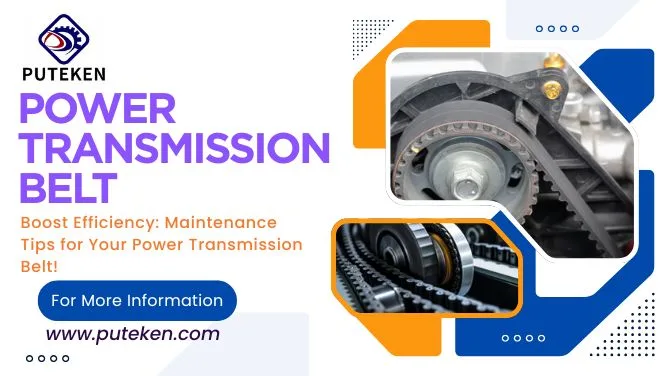
In today’s fast-paced industrial landscape, efficiency and reliability are more important than ever. Whether you operate in manufacturing, automotive, packaging, or any other sector that relies on mechanical power, the Power Transmission Belt is a critical component that keeps your machinery running smoothly. However, even the highest-quality belts can suffer from wear, misalignment, or improper tension if not properly maintained. Over time, these issues can lead to reduced efficiency, unexpected downtime, and costly repairs.
At Shanghai Puteken Transmission System Co., Ltd., we understand that the performance of your power transmission system hinges on the condition of your belts. That’s why we’re committed to providing not only top-tier products but also the knowledge and support you need to maximize their lifespan and efficiency.
The Importance of Power Transmission Belt Maintenance
The Power Transmission Belt is the unsung hero of countless machines, transferring energy from motors to driven components with minimal loss. However, like any mechanical part, belts are subject to wear and tear. Neglecting maintenance can result in:
- Reduced power transmission efficiency
- Increased energy consumption
- Premature belt failure
- Costly machine downtime
- Safety hazards for operators
Conversely, a well-maintained power transmission belt ensures:
- Consistent, reliable performance
- Lower operating costs
- Extended equipment lifespan
- Improved workplace safety
Therefore, regular inspection and maintenance are not just best practices—they are essential for any operation that values productivity and cost control.
Understanding Power Transmission BeltsBefore diving into maintenance tips, it’s important to understand the types and functions of power transmission belts. These belts come in various forms, including:
- V-Belts: Widely used for their efficiency and ability to handle high loads.
- Timing Belts: Provide precise synchronization between shafts, often used in automotive and automation applications.
- Flat Belts: Suitable for high-speed, low-torque applications.
- Ribbed Belts: Combine the flexibility of flat belts with the power capacity of V-belts.
Each type of Power Transmission Belt has unique maintenance requirements, but the core principles of care remain consistent across all categories.
Essential Maintenance Tips for Your Power Transmission Belt
1. Regular Inspection
Routine visual inspections are the first line of defense against belt failure. Look for:
- Cracks, fraying, or glazing on the belt surface
- Signs of uneven wear or stretching
- Oil, grease, or chemical contamination
- Misalignment or improper tracking
Tip: Schedule inspections at regular intervals based on your equipment’s operating hours and environment.
2. Proper Tensioning
Incorrect tension is a leading cause of premature belt failure. Too much tension can overload bearings and shorten belt life, while too little tension can cause slippage and reduce efficiency.
- Use a tension gauge or follow manufacturer guidelines to set the correct tension.
- Recheck tension after the first few hours of operation, as belts may stretch lightly during initial use.
Tip: Always adjust tension with the machine off and locked out for safety.
3. Alignment Matters
Misaligned pulleys or shafts can cause the belt to run off-track, leading to edge wear, noise, and reduced efficiency.
- Use a straightedge or laser alignment tool to ensure pulleys are parallel and properly aligned.
- Check for worn or damaged pulleys and replace them as needed.
Tip: Misalignment is often a hidden cause of recurring belt problems—don’t overlook it!
4. Keep It Clean
Dirt, dust, oil, and other contaminants can degrade belt material and cause slippage.
- Clean belts and pulleys regularly with a dry cloth or manufacturer-approved cleaner.
- Avoid using solvents or harsh chemicals that can damage the belt.
Tip: If your environment is particularly dusty or oily, consider installing guards or shields to protect the belt.
5. Monitor Operating Conditions
Extreme temperatures, humidity, and exposure to chemicals can affect belt performance.
- Choose belts rated for your specific operating environment.
- Monitor temperature and humidity levels in your facility.
Tip: If your application involves exposure to chemicals or high heat, consult with Shanghai Puteken Transmission System Co., Ltd. for specialized belt options.
6. Replace Worn or Damaged Belts Promptly
Delaying replacement of a worn or damaged belt can lead to catastrophic failure and collateral damage to other components.
- Keep spare belts in stock for critical equipment.
- Replace belts at the first sign of significant wear, cracking, or stretching.
Tip: Always replace belts in matched sets if your system uses multiple belts on the same drive.
7. Lubrication—Only Where Needed
Most power transmission belts do not require lubrication. In fact, oil or grease can cause slippage and degrade the belt material.
- Lubricate only the bearings and moving parts as specified by the equipment manufacturer.
- Never apply lubricants directly to the belt or pulleys.
Tip: If you notice oil or grease on the belt, identify and fix the source of the leak immediately.
8. Check Pulley Condition
Worn or damaged pulleys can quickly ruin a new belt.
- Inspect pulleys for grooves, nicks, or corrosion.
- Replace pulleys that show signs of excessive wear.
Tip: Use pulleys made from high-quality materials for longer service life and better belt performance.
9. Store Belts Properly
Improper storage can cause belts to deform or degrade before they’re even installed.
- Store belts in a cool, dry place away from direct sunlight and chemicals.
- Hang belts on a rack or store them flat—never bend or twist them.
Tip: Rotate your stock so older belts are used first (first-in, first-out).
10. Document Maintenance Activities
Keeping detailed records of inspections, tension adjustments, replacements, and issues can help identify patterns and prevent future problems.
- Use a maintenance log or digital tracking system.
- Review records regularly to spot recurring issues.
Tip: Documentation is especially valuable for large facilities with multiple machines and maintenance personnel.
Advanced Maintenance StrategiesFor operations seeking to maximize efficiency and minimize downtime, consider implementing these advanced strategies:
Predictive Maintenance
- Use sensors and monitoring systems to track belt tension, temperature, and vibration in real time.
- Predictive analytics can help identify potential issues before they lead to failure.
Training and Education
- Ensure maintenance staff are trained in the latest best practices for belt care.
- Provide refresher courses and updates as new technologies emerge.
Partner with Experts
- Work with trusted suppliers like Shanghai Puteken Transmission System Co., Ltd. for technical support, product selection, and troubleshooting.
Why Choose Shanghai Puteken Transmission System Co., Ltd. for Your Power Transmission Belt Needs?
At Shanghai Puteken Transmission System Co., Ltd., we are dedicated to delivering high-quality Power Transmission Belts and comprehensive support to our customers. Our advantages include:
- Premium Materials: We use only the best raw materials for superior strength and durability.
- Precision Manufacturing: Advanced processes ensure consistent quality and performance.
- Wide Product Range: From V-belts to timing belts, we offer solutions for every application.
- Technical Support: Our experienced engineers provide expert advice on selection, installation, and maintenance.
- Global Reach: We serve customers worldwide with reliable delivery and responsive service.
A leading packaging company experienced frequent belt failures and unplanned downtime, impacting production schedules and costs. By partnering with Shanghai Puteken Transmission System Co., Ltd. and implementing a proactive maintenance program—including regular inspections, proper tensioning, and timely replacements—the company reduced belt-related downtime by 40% and extended the average service life of its power transmission belts by over a year.
The Power Transmission Belt is a vital component in any mechanical system, and its performance directly impacts the efficiency, reliability, and cost-effectiveness of your operations. By following the maintenance tips and best practices outlined in this guide, you can ensure that your belts deliver maximum efficiency and longevity.
Frequently Asked Questions (FAQ)1. How often should I inspect my power transmission belt?
It’s recommended to inspect your power transmission belt at least once a month, or more frequently if the equipment operates in harsh or demanding environments.
2. What are the signs that a power transmission belt needs replacement?
Look for cracks, fraying, glazing, uneven wear, stretching, or visible damage. Unusual noises, slippage, or reduced performance are also indicators.
3. Can I use any power transmission belt for my machinery?
No, always use belts that meet the specifications and tolerances required by your equipment and application.
4. How do I set the correct tension for my power transmission belt?
Use a tension gauge or follow the manufacturer’s guidelines. Proper tension is critical for performance and longevity.
5. What causes premature power transmission belt failure?
Common causes include improper tension, misalignment, contamination, worn pulleys, and using the wrong belt type for the application.
6. Should I lubricate my power transmission belt?
No, most belts do not require lubrication. Lubricants can cause slippage and degrade the belt material.
7. How should I store spare power transmission belts?
Store belts in a cool, dry place away from sunlight and chemicals. Hang them on a rack or store them flat—never bend or twist them.
8. Can I replace just one belt in a multi-belt drive system?
It’s best to replace all belts in a set at the same time to ensure even tension and wear.
9. What should I do if my belt keeps slipping?
Check for proper tension, alignment, and pulley condition. Replace worn or damaged components as needed.
10. Where can I get technical support for my power transmission belt?
Contact Shanghai Puteken Transmission System Co., Ltd. for expert advice, troubleshooting, and product recommendations.