
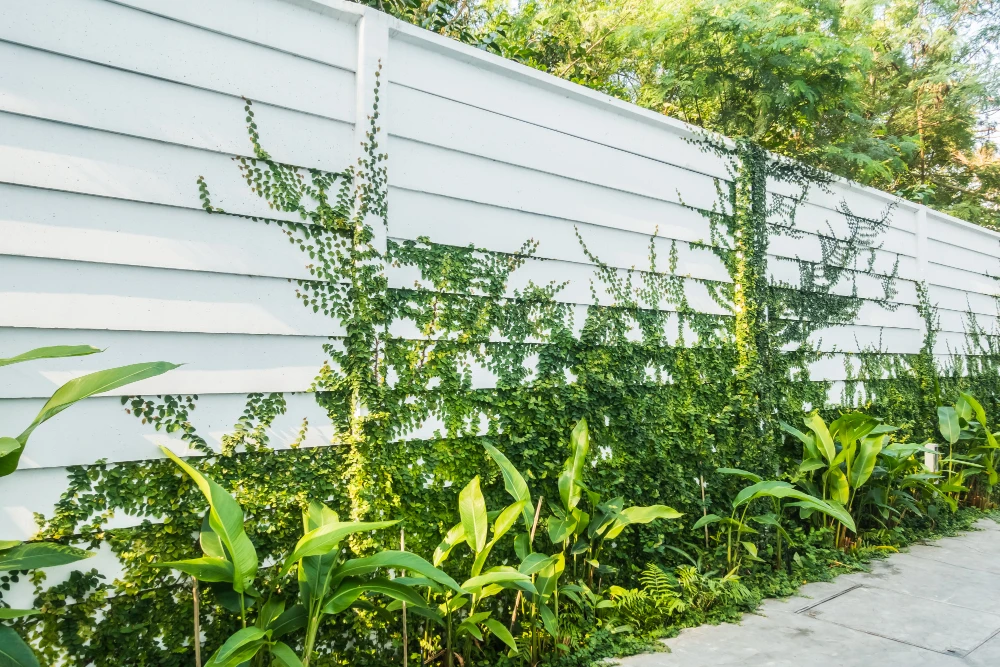
A well-maintained fence does more than mark your property line—it enhances your home’s curb appeal, adds privacy, and boosts security. Over time, however, weather, wear, and neglect can leave your fence looking tired or damaged. Reviving an old fence doesn’t always require a full replacement. With some targeted repairs and a bit of creativity, you can transform your fence into a stunning feature that elevates your home’s exterior. This guide walks you through assessing, repairing, and revitalizing your fence to make it look as good as new.
Why Fence Maintenance Matters
Your fence is one of the first things people notice about your home. A sagging, peeling, or broken fence can detract from even the most beautiful landscaping. Regular maintenance and timely repairs not only improve aesthetics but also extend the lifespan of your fence, saving you money in the long run. Plus, a sturdy, attractive fence can increase your property’s value, making it a worthwhile investment.
Step 1: Assess the Damage
Before diving into repairs, take a close look at your fence to identify issues. Walk along its entire length, noting problems like:
- Wood Fences: Rot, warped boards, loose nails, peeling paint, or fading stain.
- Vinyl Fences: Cracks, discoloration, or loose panels.
- Metal Fences: Rust, bent sections, or loose posts.
- General Issues: Wobbly posts, leaning sections, broken gates, or missing hardware.
Pro Tip: Use a level to check for leaning posts and a moisture meter for wood fences to detect rot. Create a checklist of repairs and prioritize based on severity.
Step 2: Gather Tools and Materials
Having the right tools and materials on hand streamlines the repair process. Common items include:
- Tools: Hammer, screwdriver, drill, saw, level, wire brush, sandpaper, paint scraper, pressure washer, and safety gear (gloves, goggles).
- Materials: Replacement boards or panels, nails, screws, wood filler, primer, paint or stain, rust-resistant spray paint (for metal), concrete mix (for posts), and cleaning solutions.
- Optional: Decorative elements like post caps, lattice, or climbing plants for added flair.
Match new materials to your existing fence for a cohesive look. For example, use the same wood species or vinyl color.
Step 3: Make Structural Repairs
Address structural issues first to ensure your fence is stable and secure.
Fix Wobbly or Leaning Posts
- Problem: Posts loosen due to soil erosion or rot.
- Solution: Dig around the post to expose the base. If the post is rotted, replace it. Otherwise, reinforce it by pouring new concrete into the hole. Use a level to ensure the post is straight, then let the concrete cure for 24–48 hours.
Replace Damaged Boards or Panels
- Wood: Remove broken or warped boards by prying out nails or unscrewing fasteners. Cut new boards to size, sand edges, and secure them with galvanized nails or screws.
- Vinyl: Snap out damaged panels and click in replacements, following the manufacturer’s instructions.
- Metal: Remove rusted or bent sections with a wrench or saw. Weld or bolt new sections in place, ensuring alignment.
Repair Gates
- Sagging gates often result from loose hinges or misaligned posts. Tighten or replace hinges with heavy-duty hardware. If the gate drags, adjust the post alignment or trim the bottom slightly.
Step 4: Clean and Prep the Surface
A clean fence is essential for a polished finish. Use a pressure washer or scrub brush with a mild detergent to remove dirt, mildew, or old paint. For stubborn stains:
- Wood: Apply a wood cleaner or bleach solution (diluted 1:10 with water).
- Vinyl: Use a vinyl-specific cleaner to avoid discoloration.
- Metal: Remove rust with a wire brush or rust dissolver.
After cleaning, sand wood or metal surfaces to smooth rough spots and improve paint or stain adhesion. Rinse thoroughly and let the fence dry completely (1–2 days).
Step 5: Apply a Fresh Finish
A new coat of paint or stain can dramatically enhance your fence’s appearance. Choose a finish that complements your home’s exterior.
- Wood:
- Stain: Highlights natural grain and offers UV protection. Apply 2–3 coats of exterior-grade stain with a brush or sprayer.
- Paint: Provides a bold, uniform look. Use a primer first, followed by 2 coats of exterior latex paint.
- Vinyl: Rarely needs painting, but if faded, use a vinyl-safe spray paint for a refresh.
- Metal: Apply a rust-inhibiting primer, then top with a rust-resistant enamel paint.
Color Tips: Neutral tones like gray or beige are timeless, while bold colors like navy or black make a statement. Check HOA rules or local regulations before choosing a color.
Step 6: Add Decorative Touches
Elevate your fence’s curb appeal with creative enhancements:
- Post Caps: Install decorative caps (solar-powered for nighttime glow) to protect posts and add style.
- Lattice or Trellis: Add a lattice topper for elegance or to support climbing plants like ivy or roses.
- Lighting: String lights or solar lanterns create a warm ambiance.
- Planters: Hang flower boxes or attach vertical gardens for a pop of color.
- Art: Mount weather-resistant artwork or mirrors for a unique touch.
These additions not only beautify your fence but also personalize your outdoor space.
Step 7: Maintain Your Fence Going Forward
To keep your fence looking great, adopt a maintenance routine:
- Inspect Annually: Check for damage after storms or seasonal changes.
- Clean Regularly: Rinse off dirt or algae every 6–12 months.
- Reapply Finish: Restain wood every 2–3 years; repaint as needed.
- Trim Vegetation: Keep grass, shrubs, or vines from pressing against the fence to prevent moisture damage.
Cost Considerations
Repairing and reviving a fence is often more affordable than replacing it. Average costs (as of 2025):
- DIY Repairs: $100–$500 for materials (boards, paint, concrete, etc.).
- Professional Repairs: $500–$2,000, depending on damage and fence size.
- Cleaning and Finishing: $50–$200 for supplies if DIY; $300–$800 for pros.
Save money by handling minor repairs yourself and hiring professionals for complex tasks like post replacement.
When to Replace Instead of Repair
If your fence has extensive rot, multiple broken sections, or outdated materials, replacement might be more cost-effective. Consult a contractor for a quote to compare repair vs. replacement costs. Modern options like composite or aluminum fences offer low maintenance and durability.
Conclusion
Reviving an old fence is a rewarding project that boosts your home’s curb appeal and functionality. By assessing damage, making strategic repairs, and adding a fresh finish or decorative touches, you can transform your fence into a standout feature. With regular maintenance, your revitalized fence will enhance your property for years to come. Grab your tools, roll up your sleeves, and give your fence the makeover it deserves!