The demand for professionally printed books continues to create opportunities for publishers, book manufacturers and printing businesses around the world. As production volumes increase, selecting the right Book Printing Press becomes important for maintaining consistent quality, production efficiency and reliable delivery schedules.
A book printing operation may handle textbooks, novels, educational publications, reference books, religious books and other multi-page publications. Each application has different production requirements, but large-volume work generally requires a printing system designed for continuous and dependable operation.
What Is a Book Printing Press?
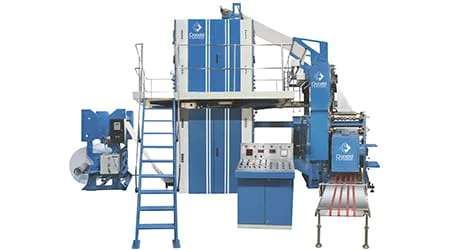
A Book Printing Press is a printing system used to produce printed pages for books and publications. Modern presses can be configured according to the required production volume, paper specifications, printing format and finishing workflow.
For large-scale book production, web offset printing machines are widely suited to continuous printing because they use paper from a roll rather than individual sheets. This allows printers to maintain a continuous production process for substantial print runs.
The appropriate press depends on several factors, including the number of pages, required quantity, paper characteristics, printing format and overall production workflow.
Why Printing Technology Matters in Book Production
Book manufacturing involves multiple stages, beginning with printing and continuing through folding, gathering, binding and finishing. The printing stage has a direct influence on the efficiency of the overall production process.
A suitable printing press can help book manufacturers achieve:
- Consistent printing quality
- Efficient production for large quantities
- Stable output during long production runs
- Better utilization of production time
- Reliable scheduling for recurring orders
When the printing system is appropriately matched to the production requirement, downstream processes can also be managed more effectively.
Web Offset Printing for Book Production
Web offset printing is particularly relevant for high-volume publication work. The continuous paper web allows the press to operate efficiently during long production runs.
This makes web offset technology suitable for applications where large quantities of printed pages need to be produced consistently.
Publishers and book manufacturers can use web offset presses for a variety of publications, including textbooks, educational books, novels, directories and other multi-page products.
The exact machine configuration should be selected according to the production requirements of the printing business.
Important Features to Evaluate
When selecting a Book Printing Press, manufacturers should look at the complete set of production requirements rather than focusing on a single specification.
Printing Format
The required page size and printing format can influence the appropriate machine configuration. Printers should determine the typical dimensions of their publications before choosing equipment.
Production Capacity
Expected annual and monthly production volumes should be considered carefully. A machine used for continuous high-volume work needs to be capable of maintaining stable production for extended periods.
Paper Requirements
Paper selection is an important part of book manufacturing. Different publications may use different paper grades and specifications.
For a web offset setup, the paper roll specifications and machine's web-handling capabilities should be evaluated before installation.
Print Quality
Text and images must remain clear and consistent throughout the production run. Stable registration and reliable printing performance are important for producing professional-quality books.
Machine Reliability
A press that operates reliably can help reduce unexpected interruptions and maintain production schedules. Buyers should consider machine construction, maintenance requirements and technical support when comparing different options.
Applications of a Book Printing Press
Book printing presses can support a broad range of publishing requirements.
Textbook Production
Educational publishers often need to produce substantial quantities of textbooks and learning materials. Consistent printing and dependable production are essential for meeting distribution schedules.
Novel and General Book Production
Novels and general publications can require large production runs, particularly when a title has established demand. A suitable press can support efficient production of these publications.
Reference and Academic Books
Reference books, academic publications and professional materials often contain large numbers of pages. Reliable printing performance is important when producing such publications at scale.
Religious Publications
Religious books and related publications can also involve substantial print quantities. High-volume printing equipment can help manufacturers manage these production requirements efficiently.
Selecting the Right Book Printing Press Manufacturer
Choosing the equipment manufacturer is as important as selecting the press itself.
A manufacturer with experience in printing machinery can help buyers understand machine configurations, production capabilities and installation requirements.
Before investing in a Book Printing Press, businesses should consider:
- Manufacturer experience
- Machine specifications
- Production capacity
- Technical support
- Spare parts availability
- Maintenance requirements
- Installation and commissioning support
- Long-term service capability
A detailed discussion with the manufacturer can help determine whether the proposed machine is suitable for the intended book production workflow.
Balancing Quality and Production Efficiency
Book manufacturers need to balance production speed with print quality and operating efficiency. Increasing production speed alone does not necessarily improve the overall operation if quality or machine stability is affected.
A well-planned printing setup considers the complete production process. The press should work efficiently with the folding, binding and finishing stages that follow printing.
This approach can help manufacturers create a smoother workflow and improve overall production management.
Long-Term Considerations
Printing equipment is a long-term investment. Buyers should consider how their production requirements may change over several years.
A machine selected only for today's requirements may become insufficient as order volumes increase. On the other hand, choosing equipment far beyond the actual requirement can unnecessarily increase investment and operating costs.
The ideal solution is a press configuration that provides an appropriate balance between current production needs and future growth.
Conclusion
A reliable Book Printing Press can play an important role in large-scale book manufacturing. From textbooks and educational publications to novels, reference books and other multi-page products, the right printing system can help manufacturers maintain consistent quality and efficient production.
Web offset printing technology is particularly suitable for high-volume book production where continuous printing and stable output are important.
Before purchasing a press, book manufacturers should evaluate production volume, paper requirements, printing format, machine configuration, reliability and technical support.
Businesses planning to expand their book manufacturing capabilities should carefully compare available Book Printing Press solutions and select equipment that matches their long-term production objectives.