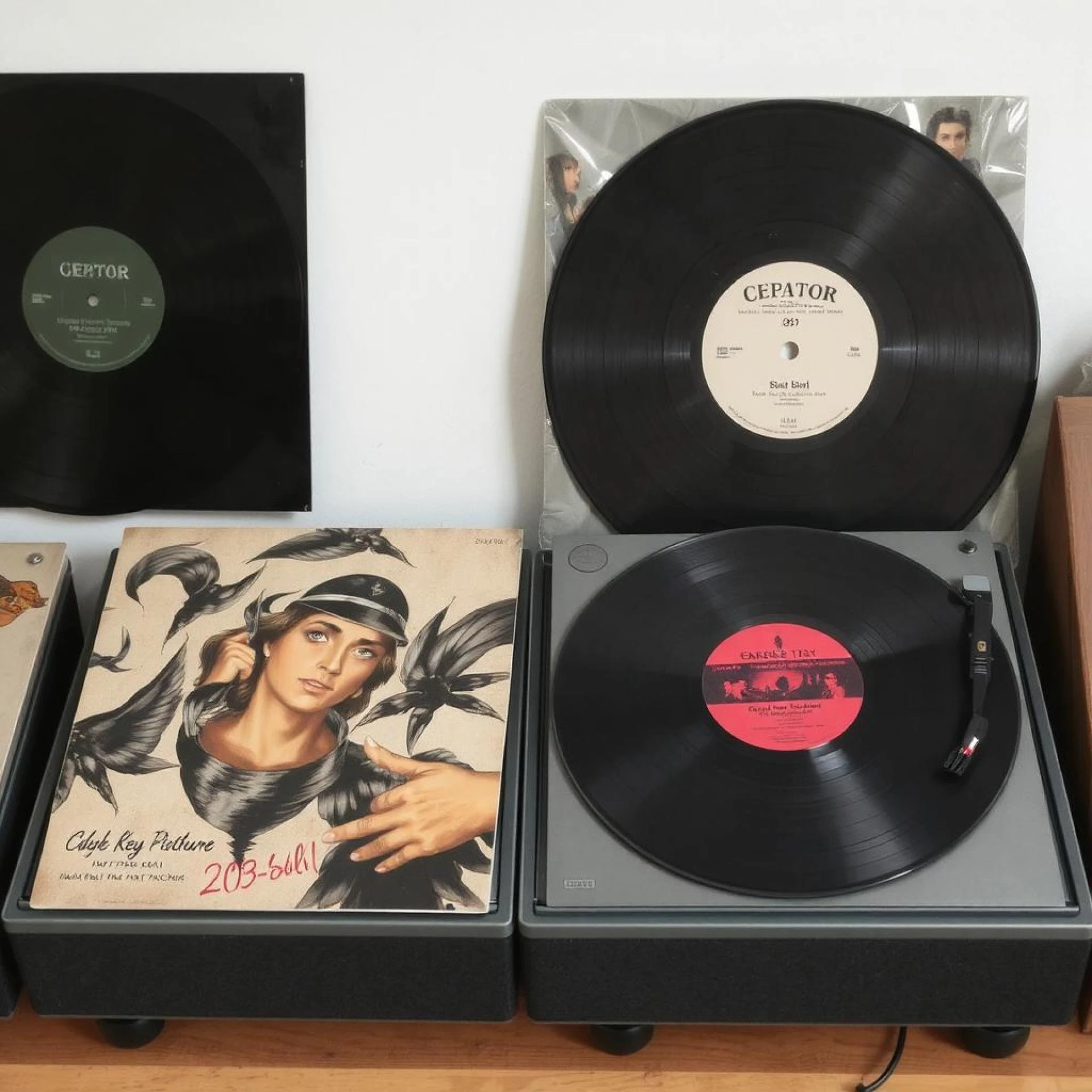
In the annals of global vinyl, few curiosities are as intriguing as the Bollywood records pressed in the Soviet Union. During the Cold War era, when cultural exchange between the capitalist West and the USSR was minimal, a surprising bridge was built with the music of the Indian subcontinent. The state-owned record label Melodiya, through licensing agreements with India's state broadcaster All India Radio, produced a unique series of LPs that stand today as artifacts of a peculiar and fascinating cultural diplomacy.
The very existence of these records is a story of soft power and shared ideology. In the 1960s and 70s, India's non-aligned stance and its robust cinematic output made Bollywood a culturally acceptable import for the Soviet public, offering exoticism without Western influence. These LPs, therefore, were not black market contraband but officially sanctioned products, pressed at Melodiya's factories in Moscow, Leningrad, and other cities, and distributed through state-owned stores. They became immensely popular, offering Soviet citizens a vibrant, emotional escape from their own state-sanctioned artistic output.
The most striking feature of these Soviet pressings is their artwork. They completely abandoned the original Indian film poster art. In its place, Melodiya commissioned its own graphic designers to create covers that were often stunningly avant-garde, minimalist, and abstract. A Raj Kapoor film like "Bobby" might be represented not by the youthful stars, but by a stark, geometric design in bold red and black. A record of Lata Mangeshkar songs could feature a simple, elegant line drawing of a woman in silhouette. These sleeves were products of Soviet modernist design principles, stripping the commercial glamour of Bollywood to its perceived core elements of melody and rhythm. For collectors, these covers are prized works of art, representing a unique interpretation of Indian cinema through a Soviet aesthetic lens.
The musical content was also carefully curated. These were not direct soundtrack reproductions. Melodiya, likely working from tapes provided by All India Radio, compiled thematic albums. Instead of "Film XYZ: Original Soundtrack," titles would be along the lines of "Songs by Lata Mangeshkar" or "Melodies from Indian Films." Side A might feature songs from three different Shankar-Jaikishan films, and Side B from two R.D. Burman scores. This transformed the listening experience from a cinematic narrative to a purely musical anthology, presenting the songs as standalone pieces of "people's music" from a friendly nation. The selections often favored melody-heavy, orchestral, or romantic numbers over more experimental or rock-influenced tracks.
The quality of the pressings is a study in contrasts. The vinyl compound used by Melodiya was typically thick, rigid, and remarkably durable. While often lacking the high-fidelity sheen of a Western pressing, these records were built to last, with a characteristic deep, warm, and occasionally muffled sound profile. The paper stock for the sleeves was usually of high, fibrous quality, contributing to their survival in excellent condition decades later. The liner notes, in Russian, provided context about the composers and singers, framing them as great artists of the progressive Indian nation.
Today, these Soviet-era Bollywood LPs are sought-after treasures. They are found not in Mumbai's flea markets, but in bazaars from Tallinn to Vladivostok, or online auctions in Eastern Europe. They represent a unique triangulation of cultures: the soulful melodies of Bombay, filtered through the bureaucratic machinery and artistic sensibilities of the Soviet state, and finally pressed into vinyl for the ears of the everyday Soviet citizen.
They are more than just records; they are sonic postcards from a forgotten corridor of 20th-century cultural exchange. Each one is a physical testament to a time when the music of love and longing from the banks of the Yamuna found an unlikely but fervent audience on the banks of the Moskva, wrapped not in the glitter of stardom, but in the bold, minimalist geometry of Soviet graphic design. To hold one is to hold a piece of that improbable, melodic bridge across a divided world.
Bollywood Vinyl Records Classical Vinyl Records Devotional Vinyl Records Dialogue Vinyl Records Dj Lp Records English Vinyl Records Film Hits Vinyl Records Ghazals Vinyl Records Instrumental Vinyl Records Non Vinyl LP Punjabi Vinyl Vinyl Rare Vinyl Records Indian Vinyl Records