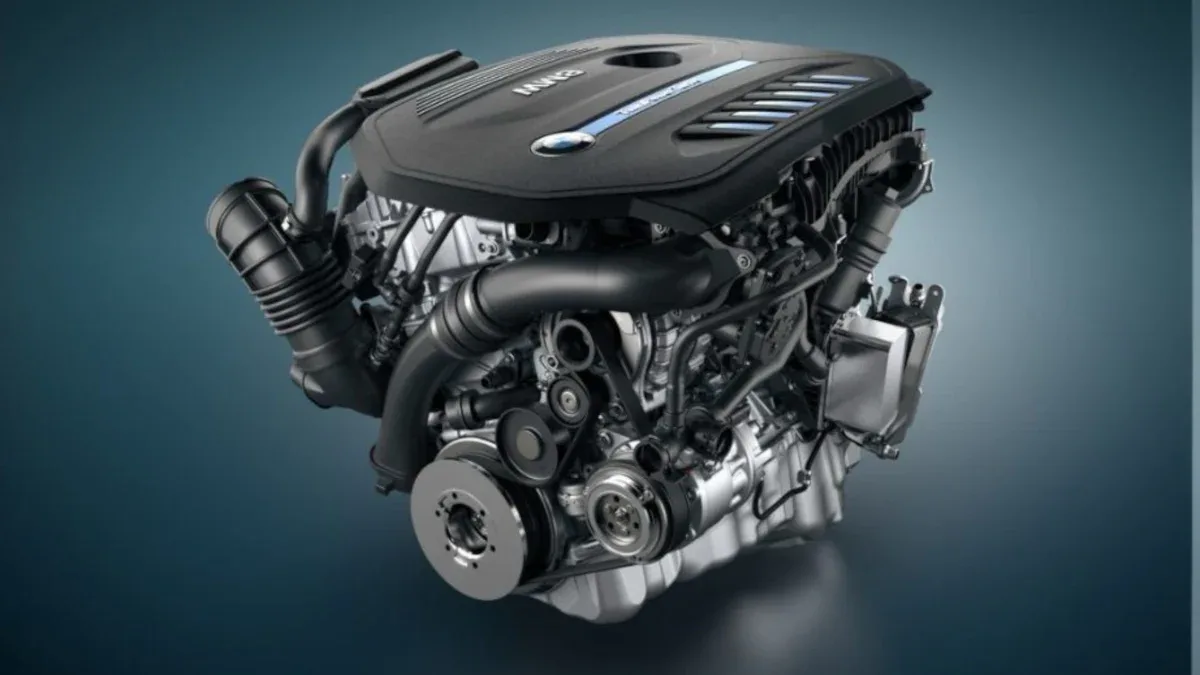
BMW engines are built for a combination of performance, comfort, and everyday usability. Over time, however, factors such as mileage, heat, inadequate lubrication, poor maintenance, or demanding driving can contribute to internal component wear. When the damage becomes significant, rebuilding the engine may be considered as an alternative to complete replacement.
A bmw engine rebuild involves carefully disassembling the engine, inspecting internal components, repairing or replacing damaged parts, and reassembling the unit to restore proper mechanical operation. The exact process depends on the engine model and the condition of its components.
Why a BMW Engine May Need Rebuilding
Internal engine problems can develop gradually or result from a sudden mechanical failure. Common concerns include excessive oil consumption, low compression, overheating, bearing wear, piston damage, cylinder wear, and persistent mechanical noises.
However, a complete rebuild is not necessary for every engine problem. A failed sensor, ignition component, gasket, fuel-system part, or cooling component may be repaired without opening the engine. Proper diagnosis should always come before major engine work.
Signs of Serious Engine Wear
Drivers may notice several warning signs when an engine develops significant internal problems. Knocking or tapping sounds, reduced power, rough operation, excessive smoke, and increasing oil consumption can indicate that further inspection is needed.
Low oil pressure and repeated overheating are particularly important symptoms. Continuing to operate an engine with serious symptoms can potentially increase wear and make the eventual repair more extensive.
What Happens During a BMW Engine Rebuild?
A bmw engine rebuild normally starts with diagnostic testing to determine the source of the problem. If internal damage is confirmed, the engine can be removed and disassembled for detailed inspection.
Components such as the crankshaft, connecting rods, bearings, pistons, cylinder walls, valves, timing components, and seals are examined and measured. Reusable components can be cleaned and prepared, while damaged or excessively worn parts may be replaced. Depending on the findings, machining may also be necessary to restore proper dimensions and clearances.
Diagnosing Internal Engine Damage
Accurate diagnosis is essential when determining whether a rebuild is necessary. Compression testing and leak-down testing can provide information about cylinder condition, while oil inspection can reveal potential signs of internal wear.
Diagnostic scanning can also help identify electronic faults and related system problems. Combining electronic testing with mechanical inspection gives technicians a more complete understanding of the engine's condition.
Rebuild or Engine Replacement?
A rebuild and an engine replacement offer different repair approaches. Rebuilding focuses on restoring the existing engine by repairing or replacing its internal components, while replacement involves installing another engine.
The appropriate solution depends on the extent of damage, availability of parts, labor requirements, condition of the existing engine, and the vehicle's intended use. A professional inspection can help establish which option is technically practical.
Professional BMW Engine Repair and Rebuild
Internal engine work requires precision, accurate measurements, and careful assembly. palenonperformance provides BMW engine repair and rebuild services focused on diagnosing mechanical problems and restoring damaged engines.
A detailed inspection helps identify which components can be reused and which need replacement or machining. This allows the repair process to be based on the actual condition of the engine.
Caring for a BMW Engine After Rebuilding
Proper maintenance remains important after major engine work. Regular oil changes, correct fluids, cooling-system inspections, and timely replacement of worn components can help protect the rebuilt engine.
Owners should also monitor oil levels, engine temperature, unusual sounds, warning lights, and changes in performance. Addressing new symptoms quickly can help prevent additional mechanical problems.
Restoring BMW Engine Performance
A properly completed bmw engine rebuild can address significant internal wear and restore the mechanical condition of a damaged engine. Accurate diagnosis, quality components, proper machining, and precise assembly all play important roles.
For BMW owners dealing with persistent engine problems, a thorough inspection is the first step. Based on the findings, the appropriate solution may involve a targeted repair, complete rebuild, or engine replacement.