Bitcoin had a packed week, with three stories that all point at the same question: does this rally have real staying power, or is it running on hype?
Wall Street's Getting Bold
Bernstein's Gautam Chhugani expects Bitcoin to close 2026 around $125,000, climb to $150,000 by mid-2027, and potentially reach $300,000 by 2029 in the base case — with an aggressive scenario putting it at $500,000 that year and $1 million by 2033. Standard Chartered is more conservative at $100,000 by year-end. Tom Lee thinks $200,000-$250,000 is possible in 2026 if Bitcoin breaks its usual four-year cycle.
The optimism isn't baseless. Bernstein notes drawdowns have gotten milder — recent corrections landed closer to 50%, versus 75-90% crashes in past cycles. ETF outflows during pullbacks stayed under 5%, and over 60% of circulating Bitcoin hasn't moved during the latest drawdown. Strategy alone holds 840,447 BTC, roughly 4% of total supply.
Longer term, the numbers get extreme: Pantera Capital's floated $740,000, Cathie Wood's ARK has a $1.2 million bull case by 2030, ex-Binance CEO CZ expects $1 million "sooner than people think," and Michael Saylor's outlier call is $21 million by 2046.
On-Chain Data Backs It Up
Analyst Axel Adler Jr. noted unrealized losses dropped around 60% in ten days, and realized profits moved above realized losses for the first time since late July. The shift is still modest — the profit-to-loss ratio sits around 1.003 — but the recent loss-dominant stretch lasted just 26 days, versus 241 days during the 2022-2023 bear market.
Bitcoin Just Got Quantum-Proofed (Sort Of)
StarkWare researcher Avihu Levy completed what's being called Bitcoin's first quantum-resistant transaction on the live mainnet, confirmed in block 964,199 on August 26. The method, Quantum Safe Bitcoin (QSB), swaps ECDSA signatures for one-time Lamport signatures and hash-based security, without changing Bitcoin's core rules.
The risk it addresses: when a transaction is sent, the sender's public key is briefly exposed before confirmation. A powerful enough quantum computer could theoretically exploit that window. QSB closes that gap.
It wasn't smooth — standard Bitcoin software rejected the transaction due to its unusual data, so StarkWare routed it through mining firm MARA's private service. StarkWare's CEO called it proof Bitcoin "has no expiration date," while still wanting an official soft fork eventually. The catch: it costs $150-$200 per transaction and takes hours of GPU computing, making it impractical for now.
Can Bitcoin Actually Hit $100K Soon?
Charles Edwards of Capriole Investments is still bullish but grounded. His level to watch: $70,000 needs to hold for the bull case to stay intact, with $60,000 as bigger support underneath. Institutions are reportedly buying around 160% of daily miner-produced Bitcoin, mostly via ETFs.
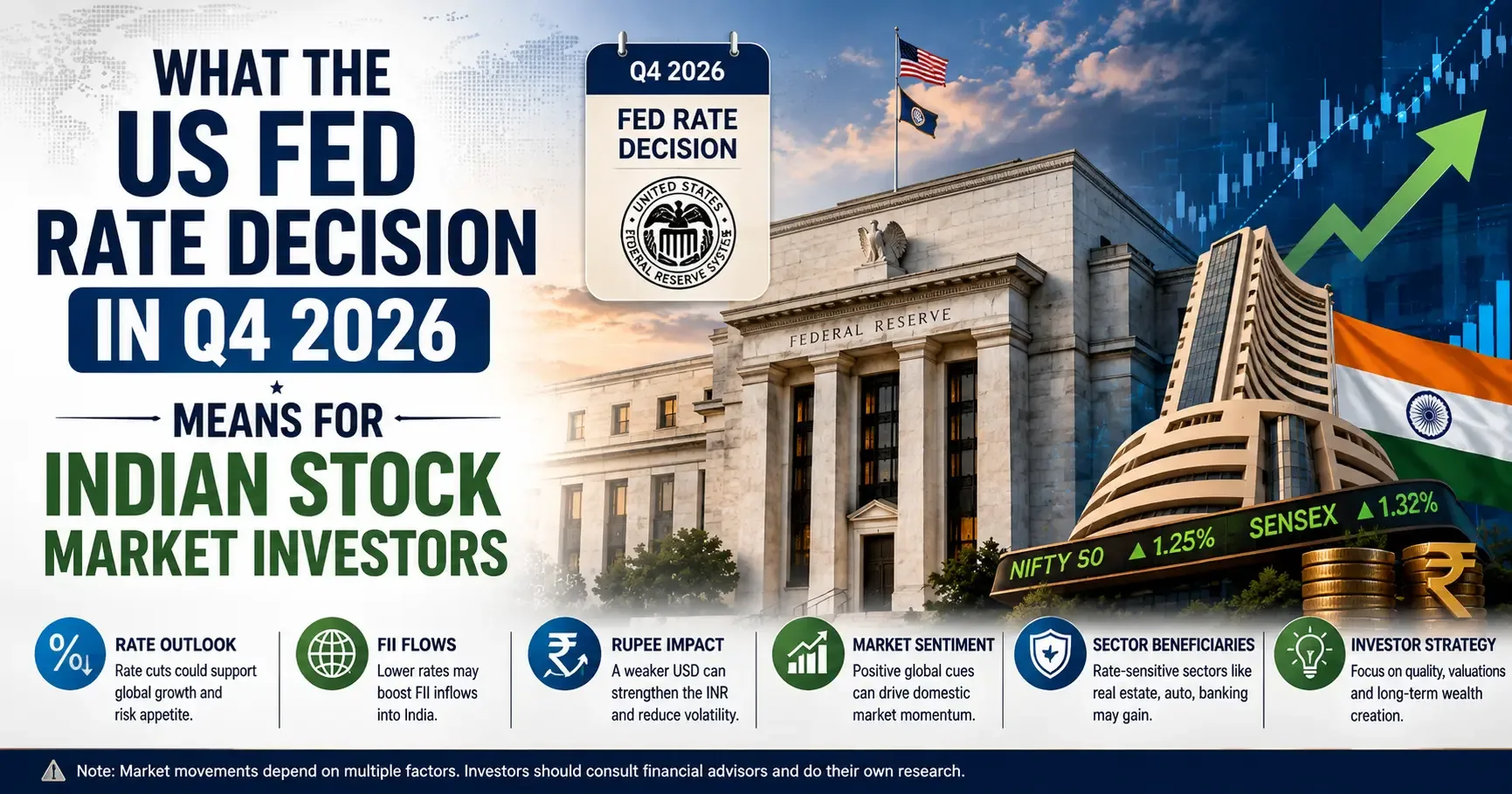
He expects at least one more Fed rate hike this year, which could shift with inflation and oil prices. And he doesn't expect a new all-time high without a real catalyst — a U.S. government Bitcoin purchase, a Treasury General Account move, or credible progress on quantum protection, which ties directly back to what StarkWare just demonstrated.
He's also watching Hyperliquid's HYPE for its buyback-driven tokenomics, plus Ethereum, Ethena, and Zcash — while staying cautious given AI-driven hacks and DeFi vulnerabilities still in play.
Putting It Together
Wall Street's optimism is backed by genuinely improving fundamentals — smaller drawdowns, stronger holder conviction, institutional demand outpacing supply. The quantum story chips away at a real long-term fear, even if impractical today. And Edwards' near-term view is a useful reminder: big long-term targets don't matter much until Bitcoin holds $70,000 and clears $100,000 with real conviction.
For a deeper breakdown of where Bitcoin could head, Coinpedia's bitcoin price prediction page covers the key levels worth watching.