Bhutan, the Land of the Thunder Dragon, is a nation steeped in rich cultural heritage, sacred traditions, and deep-rooted spiritual practices. Among the many cultural treasures of Bhutan, the festivals—locally known as Tsechus—are undoubtedly the most vibrant expressions of the kingdom’s identity. These festivals are more than just celebrations; they are profound spiritual gatherings that connect communities and showcase the unique blend of religious devotion and cultural splendor that defines Bhutanese life.
What Is a Bhutan Festival?
A Bhutan festival, or Tsechu, is a religious celebration held in honor of Guru Rinpoche, the revered Buddhist master who introduced Tantric Buddhism to Bhutan in the 8th century. These festivals are usually held annually in temples, monasteries, and dzongs (fortresses) throughout the country. The word Tsechu literally means "tenth day," as most of the festivals fall on the tenth day of a month in the lunar calendar, particularly the 10th day of auspicious months.
Each festival is marked by days of traditional mask dances, rituals, and communal gatherings. These events serve both spiritual and social functions, offering blessings, purification, and a sense of unity to the Bhutanese people.
Key Elements of Bhutanese Festivals
1. Mask Dances (Cham Dances):
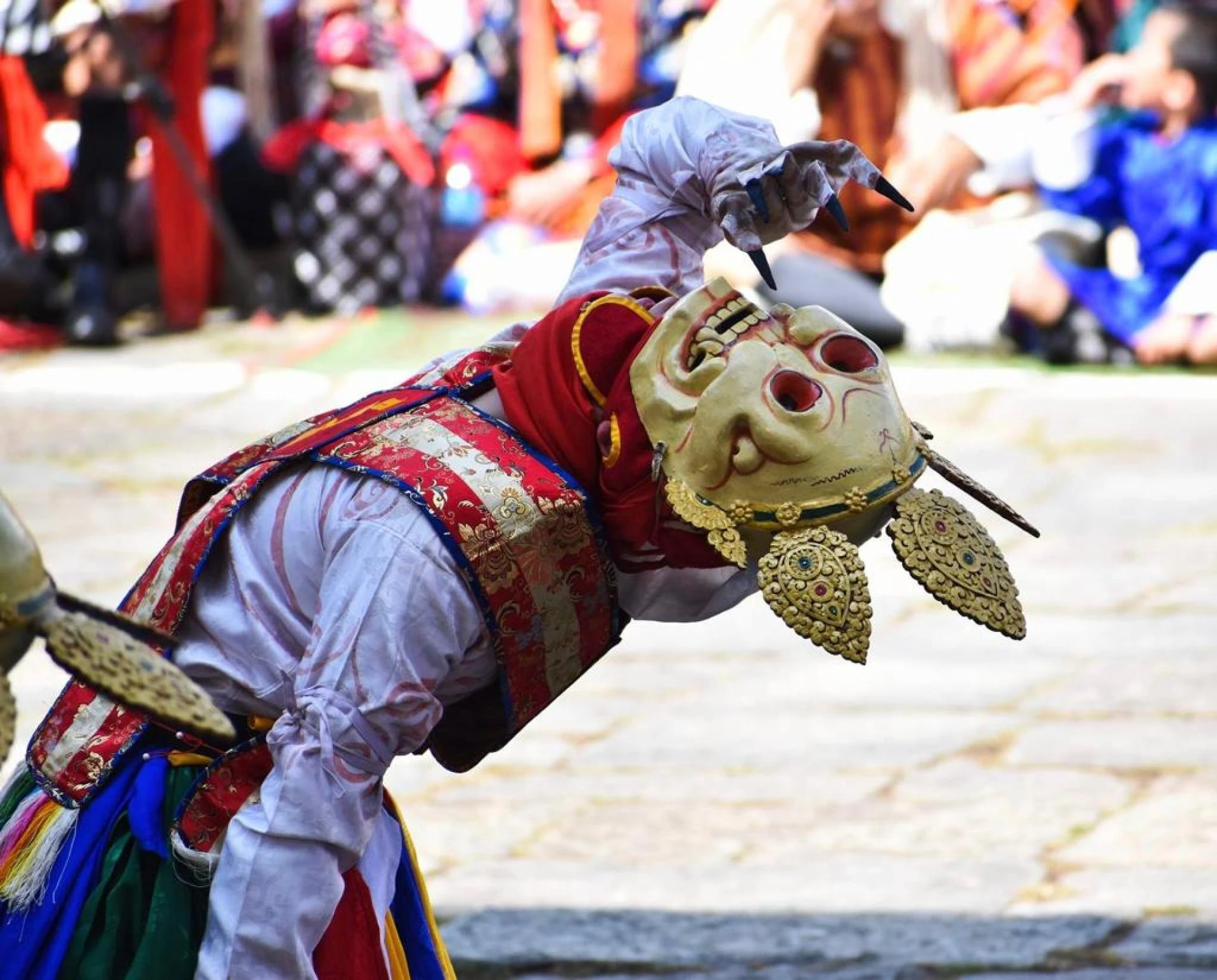
The highlight of any Bhutan festival is the mask dance, performed by monks and laymen wearing elaborate costumes and colorful masks. These dances are not just entertainment; they are sacred rituals intended to invoke deities, ward off evil spirits, and educate the public about Buddhist teachings. Each dance tells a story—often portraying historical events, moral lessons, or religious parables.
2. Traditional Attire:
During festivals, Bhutanese people dress in their finest traditional garments. Men wear the gho, a knee-length robe tied at the waist by a belt, while women don the kira, a full-length dress paired with a toego (jacket). The dazzling array of colors and intricate patterns on the garments adds to the festive atmosphere.
3. Thongdrel Unfurling:
One of the most sacred moments of a festival is the unfurling of the thongdrel—a giant embroidered scroll depicting Guru Rinpoche or other deities. Displayed at dawn, the thongdrel is believed to cleanse the sins of those who view it. It is only exhibited for a few hours before being carefully rolled up until the following year.
4. Community Gathering:
Festivals bring together people from different regions and walks of life. It is a time for reunion, social bonding, and celebrating shared beliefs. Visitors often bring food and gifts, and temporary markets pop up selling handicrafts, textiles, and local delicacies.
Notable Festivals in Bhutan
1. Paro Tsechu:
Held in the spring, Paro Tsechu is one of the most popular festivals in Bhutan and attracts thousands of locals and tourists alike. Celebrated in the impressive Paro Dzong, this festival is famous for its grandeur and the spectacular display of the thongdrel of Guru Rinpoche. The five-day celebration includes a series of mesmerizing mask dances and religious rituals.
2. Thimphu Tsechu:
Taking place in the capital city, Thimphu Tsechu is another major event on the Bhutanese calendar. It is celebrated in Tashichho Dzong and features performances that have been passed down for generations. Given the city's accessibility, this festival sees a large turnout and is an excellent opportunity for visitors to experience Bhutanese culture at its best.
3. Jambay Lhakhang Drup:
Held in Bumthang, this festival is known for its mystical and unique rituals, including the fire blessing ceremony (Mewang) and the Tercham or "Naked Dance," performed in the middle of the night to bless women with fertility. It is one of the oldest and most sacred festivals in Bhutan.
4. Punakha Drubchen and Tsechu:
Celebrated in the ancient capital of Punakha, these festivals commemorate Bhutan’s military victories against Tibetan invaders. The highlight is the dramatic reenactment of the 17th-century battle that united the country, performed by local men dressed as warriors. It’s a perfect mix of patriotism and spiritual observance.
Spiritual and Cultural Significance
Bhutanese festivals are not mere performances; they hold deep spiritual meanings. Cham dances are believed to bring merit to those who witness them, purify sins, and bless the land. The dances are performed with religious discipline and are considered offerings to the deities.
Monks prepare for weeks, sometimes months, to perfect their roles, engaging in prayer and meditation. The accuracy of each step and gesture matters, as these dances are considered sacred rituals, not casual performances.
Moreover, these festivals serve to educate the people. In a society with a strong oral tradition, mask dances and oral narratives embedded within the performances help pass down moral values and Buddhist teachings to the next generation.
A Visual and Sensory Delight
The aesthetic appeal of Bhutanese festivals is undeniable. The burst of colors from costumes, the rhythmic beats of traditional instruments, the fluttering prayer flags, and the aromatic smells of incense and local food all contribute to an immersive cultural experience. The visual spectacle is matched by the spiritual ambience, creating an unforgettable encounter for both locals and international visitors.
Festivals and Bhutanese Identity
Festivals in Bhutan play a crucial role in preserving the nation's cultural identity. In a rapidly globalizing world, these festivals anchor the Bhutanese people to their roots, fostering pride and continuity. The Bhutanese government, recognizing their importance, has made efforts to protect and promote festivals as part of the country's intangible cultural heritage.
In fact, tourism in Bhutan is structured to coincide with major festivals, allowing travelers to witness these vibrant traditions while also contributing to the local economy. Visitors are often advised to plan their trips around Tsechus for an authentic Bhutanese experience.
Tips for Travelers Attending Bhutan Festivals
If you’re planning to attend a festival in Bhutan, here are some helpful tips:
- Plan Ahead: Festival dates vary each year according to the lunar calendar. Book your flights, hotels, and permits well in advance, as these periods are peak travel times.
- Dress Modestly: Bhutan is a conservative and deeply spiritual country. Visitors should dress modestly when attending festivals—long sleeves and trousers or skirts are recommended.
- Respect Local Customs: Photography may be restricted in certain areas. Always ask before taking pictures and follow the guidance of local authorities or guides.
- Stay Hydrated and Comfortable: Festivals often involve long hours of standing or walking. Carry water, sunscreen, and a hat to protect yourself from the sun.
Conclusion
Bhutan festival are more than just calendar events—they are profound celebrations of life, culture, and spiritual devotion. Attending a Bhutanese Tsechu offers a unique window into a society that values happiness, tradition, and community above all. Whether you're a spiritual seeker, a cultural enthusiast, or an intrepid traveler, the Bhutan Festival experience is sure to leave you inspired and enchanted.
For those yearning to witness a living tradition in its purest form, there is no better destination than Bhutan. Let the rhythmic chants, the swirling dances, and the colorful tapestry of Bhutanese festivals guide you on a journey of discovery—both outward and inward.