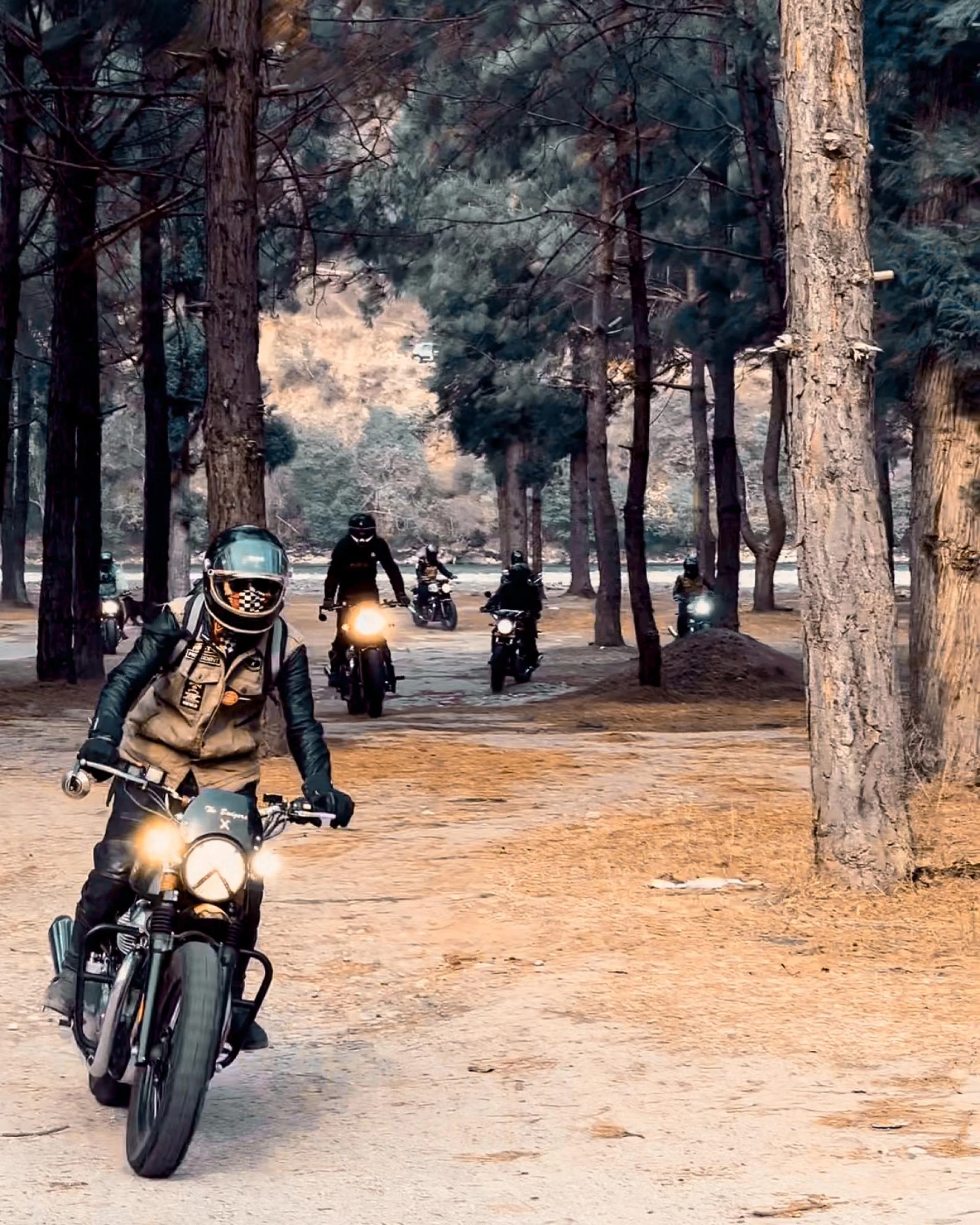
Nestled in the heart of the Eastern Himalayas, Bhutan is a mystical kingdom that captivates with its untouched natural beauty, deep-rooted spirituality, and a rare sense of tranquility. But for adventurous souls, Bhutan offers something more — the thrill of discovery on two wheels. A Bhutan bike trip is not just a journey; it's a soulful experience where every twist of the road reveals dramatic landscapes, ancient monasteries, and heartwarming cultural encounters.
In this post, we dive into everything you need to know about planning and experiencing a bike trip across Bhutan — from top routes and travel tips to essential gear and cultural highlights.
Why Choose a Bike Trip in Bhutan?
1. Scenic Diversity
Bhutan’s terrain offers a feast for the eyes — from lush green valleys and terraced rice fields to snow-capped peaks and dense forests. Riding through these changing vistas feels like traveling through different worlds in a single day.
2. Cultural Immersion
Unlike other countries, Bhutan's cultural heritage remains largely untouched by mass tourism. A bike trip offers the perfect pace to soak in the sights and sounds of traditional village life, fluttering prayer flags, and the rhythmic chants of monks.
3. Eco-Friendly Travel
Bhutan is the only carbon-negative country in the world. A bike trip aligns perfectly with its commitment to sustainability and environmental preservation.
Best Time to Go on a Bhutan Bike Trip
The most suitable months for a bike tour in Bhutan are:
- Spring (March to May): Enjoy blooming rhododendrons, clear skies, and cool temperatures.
- Autumn (September to November): The ideal season with crisp air and panoramic mountain views.
Avoid the monsoon (June to August) due to slippery roads and landslides, and be cautious during winter (December to February) in high-altitude regions where snow can block roads.
Top Bike Routes in Bhutan
Bhutan’s roads are a mix of paved highways and rugged mountain trails. Here are some of the most popular and breathtaking routes for bikers:
1. Paro to Thimphu
- Distance: 50 km
- Difficulty: Easy
- Highlights: Start your journey at Paro, home to Bhutan’s only international airport and the iconic Tiger’s Nest Monastery. The road to Thimphu is smooth, offering a gentle introduction to Bhutanese terrain.
2. Thimphu to Punakha via Dochula Pass
- Distance: 85 km
- Difficulty: Moderate
- Highlights: Cross the scenic Dochula Pass (3,100 meters), adorned with 108 chortens and offering sweeping views of the Himalayas. Punakha, with its majestic Punakha Dzong, is situated in a warmer valley — a pleasant contrast to the alpine surroundings.
3. Punakha to Trongsa
- Distance: 150 km
- Difficulty: Challenging
- Highlights: This stretch includes thrilling mountain passes and narrow roads. Trongsa is a historic town and houses the massive Trongsa Dzong, which was once the seat of power.
4. Trongsa to Bumthang
- Distance: 68 km
- Difficulty: Moderate
- Highlights: Bumthang, often called the “spiritual heartland of Bhutan,” is dotted with temples, monasteries, and sacred sites. The cool, alpine climate and wide valleys make this ride refreshing.
5. Paro to Haa via Chele La Pass
- Distance: 65 km (one way)
- Difficulty: High
- Highlights: Chele La Pass is one of the highest motorable roads in Bhutan (3,988 meters). The route offers adrenaline-pumping hairpin bends and panoramic views of Mount Jomolhari.
What to Expect on the Road
Road Conditions
While Bhutan's main highways are in decent condition, some internal and mountain roads can be narrow and winding. Expect steep ascents, sharp curves, and occasional unpaved patches.
Fuel Stations
Fuel availability can be sparse in remote areas. Plan refueling stops ahead of time and carry extra fuel for longer stretches.
Altitude Sickness
Some passes are above 3,000 meters. Acclimatize properly and stay hydrated to avoid altitude-related issues.
Choosing the Right Bike
You need a bike that can handle the rugged Himalayan terrain. Here are the most popular types:
- Royal Enfield (Classic or Himalayan): Favored by most riders for its sturdy build and torque.
- KTM Duke or Adventure Series: Lightweight and efficient for hilly terrains.
- Touring Bikes: Ideal for comfort over long distances.
If you're not bringing your own bike, many local operators in Paro and Thimphu offer reliable rentals.
Permits and Entry Requirements
Visa
All international tourists (except from India, Bangladesh, and the Maldives) must obtain a visa before traveling to Bhutan. Visas are processed by a licensed Bhutanese tour operator.
Sustainable Development Fee (SDF)
Tourists must pay a daily SDF of USD 100 per person (as of 2024), which contributes to Bhutan's conservation and development initiatives.
Route Permits
In addition to a visa, you may need internal route permits, especially for restricted or protected areas. Your tour operator typically handles this.
Packing Essentials
Here’s what you should definitely carry:
- Riding Gear: Helmet, jacket, gloves, boots, and knee/elbow guards.
- Layers: Weather can vary dramatically with altitude—bring warm clothes.
- Tool Kit: Basic repair tools and tire puncture kit.
- First Aid Kit: Include altitude sickness medication.
- Camera/GoPro: You’ll regret not capturing the stunning vistas!
- Snacks and Hydration Packs: Especially important for long or remote rides.
Cultural Etiquette for Riders
Respecting local customs is essential in Bhutan:
- Dress Modestly: When visiting monasteries and Dzongs, long pants and covered shoulders are expected.
- No Smoking in Public: Smoking in public places is prohibited.
- Ask Before Photographing: Always seek permission before taking photos of people or religious sites.
- No Honking Near Monasteries: It is considered disrespectful and disruptive.
Bhutanese people are extremely welcoming—being polite and respectful goes a long way.
Where to Stay
From homestays to high-end resorts, Bhutan offers a range of accommodations:
- Budget: Guesthouses in Thimphu, Paro, and Bumthang
- Mid-Range: Boutique lodges with meals and hot showers
- Luxury: COMO Uma, Amankora, and Six Senses resorts
For an immersive experience, choose local homestays where you can enjoy traditional Bhutanese hospitality and meals.
Savor the Local Flavors
No trip to Bhutan is complete without trying local dishes:
- Ema Datshi: Spicy chili and cheese stew
- Red Rice: Nutty and slightly chewy—pairs with every dish
- Momos: Steamed dumplings filled with veggies or meat
- Butter Tea: A salty and fatty tea, perfect for high altitudes
Bhutanese cuisine is often spicy, but it's packed with flavor and warmth.
Final Thoughts: A Ride to Remember
A Bhutan bike trip is more than a travel experience—it’s a transformational journey. As you cruise through mountain passes, interact with monks in centuries-old monasteries, and camp under the starry Himalayan skies, you’ll find yourself connecting deeply with nature, culture, and self.
Whether you’re a solo rider or part of a motorcycle tour group, Bhutan welcomes you with open arms and winding roads that lead to unforgettable adventures.
So gear up, take the road less traveled, and let the Land of the Thunder Dragon surprise you at every turn.