In the world of laboratory science, efficiency and safety are the currency of progress. As researchers across disciplines race to innovate and solve complex problems—from climate change to chronic disease—they rely on tools that support accuracy, consistency, and cleanliness. One category of tools, often taken for granted, has been quietly redefining how modern labs function: Plasticware.
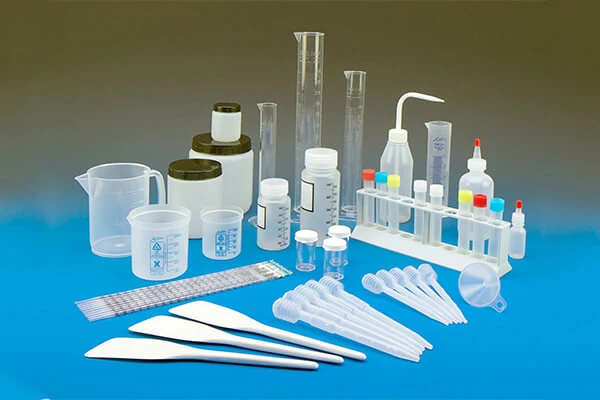
Once seen as a secondary alternative to glass, plastic lab tools are now at the center of a technological and cultural shift in lab environments. In this article, we explore how specific items—like Reagent Bottles (Narrow Mouth), Pasteur Pipettes, Stackable Beakers, Euro Design Beakers, and classic Beakers—are shaping lab practices in new and unexpected ways.
From Fragility to Flexibility: Why Plasticware Reigns in Modern Labs
While glass still has its place in high-precision or high-temperature applications, plasticware is now the default choice in many labs around the world. This isn't just due to budget constraints or convenience—it's about aligning lab infrastructure with real-world workflow needs.
Plasticware is robust, lightweight, and easy to handle. It offers resistance to breakage, making it invaluable in teaching environments and high-throughput labs where safety and speed are crucial. Plus, innovations in polymer science have significantly improved the chemical tolerance of plastics, making them suitable for use with a broad range of reagents and solutions.
Reagent Bottles (Narrow Mouth): The Unsung Guardians of Precision
Every lab professional knows the importance of keeping reagents stable and uncontaminated. This is where Narrow Mouth Reagent Bottles shine. Their design not only minimizes evaporation but also helps in precise dispensing—whether pouring into test tubes or drawing samples with pipettes.
These bottles often feature tight-sealing caps and are molded from durable, chemically resistant plastics like polyethylene or polypropylene. In research institutions and quality control labs, they're favored for storing acids, bases, solvents, and sensitive compounds, making them a foundational component of lab inventory.
Pasteur Pipettes: Tiny Tools with Tremendous Utility
Despite their size, Pasteur Pipettes play a massive role in laboratory workflows. Made from flexible plastics like LDPE (low-density polyethylene), these pipettes offer a safer, more disposable alternative to glass versions. They’re especially critical in microbiology, molecular biology, and diagnostic labs where avoiding cross-contamination is non-negotiable.
What makes plastic Pasteur pipettes exceptional is their ease of use. No need for pipette bulbs or careful sterilization between uses—just use and discard. This functionality is essential in labs handling infectious agents or working under sterile conditions, where time and safety are both at a premium.
Stackable Beakers: Smart Design for Smarter Labs
Stackable Beakers aren’t just a space-saving hack—they reflect a deeper shift toward modular lab design. With many labs operating under spatial constraints, having tools that can be neatly stored without cluttering shelves is a practical necessity.
Typically made from transparent and autoclavable plastic materials, these beakers are easy to clean, lightweight, and resilient. Whether it’s a university lab setting up for multiple simultaneous experiments or a production lab organizing parallel batches, stackable plastic beakers streamline setup and cleanup alike.
Euro Design Beakers: Where Ergonomics Meet Efficiency
The Euro Design Beaker is an excellent example of user-centered innovation in lab equipment. With features like ergonomically angled spouts, gripping surfaces, and crystal-clear graduations, these beakers enhance usability and reduce handling fatigue—especially important in long experimental sessions.
These beakers are particularly valued in labs that conduct repetitive fluid transfers or need precise volume readings at a glance. Their thoughtful design reflects a broader trend: lab tools are no longer just functional—they’re optimized for the people who use them daily.
Beakers: The All-Rounders Still Going Strong
While newer designs get the spotlight, the classic plastic beaker remains a mainstay in every lab. Whether it's mixing reagents, heating solutions, or decanting liquids, beakers are the Swiss Army knives of laboratory containers.
Unlike glass beakers, plastic ones are virtually unbreakable and far more adaptable in fast-paced environments. They’re ideal for field research kits, mobile labs, and educational settings where durability is a must.
Lab Culture Is Evolving—So Are the Tools
One of the most significant, yet often unspoken, changes in labs today is the culture of work. Modern research environments emphasize speed, collaboration, and safety. Plasticware complements this shift perfectly. It reduces downtime from accidents, supports faster experimental turnover, and contributes to a more sustainable lab ecosystem by offering recyclable and reusable options.
For institutions looking to upgrade their setups or standardize equipment across locations, working with reliable lab equipment suppliers in India can ensure access to high-quality, durable plasticware that meets international standards.
In Conclusion: Plasticware as a Catalyst for Lab Innovation
It’s easy to overlook everyday tools in a lab, but plasticware is more than just background equipment—it’s a catalyst for change. Whether it’s enabling safe chemical storage, streamlining experimental setups, or simply keeping the workflow smooth and efficient, plasticware is at the heart of a quiet revolution.
In the years ahead, expect plastic lab tools to become smarter, greener, and even more integral to scientific discovery. As the demands of research evolve, so too will the tools that support it—and plasticware will continue to lead the way, one durable beaker at a time.