
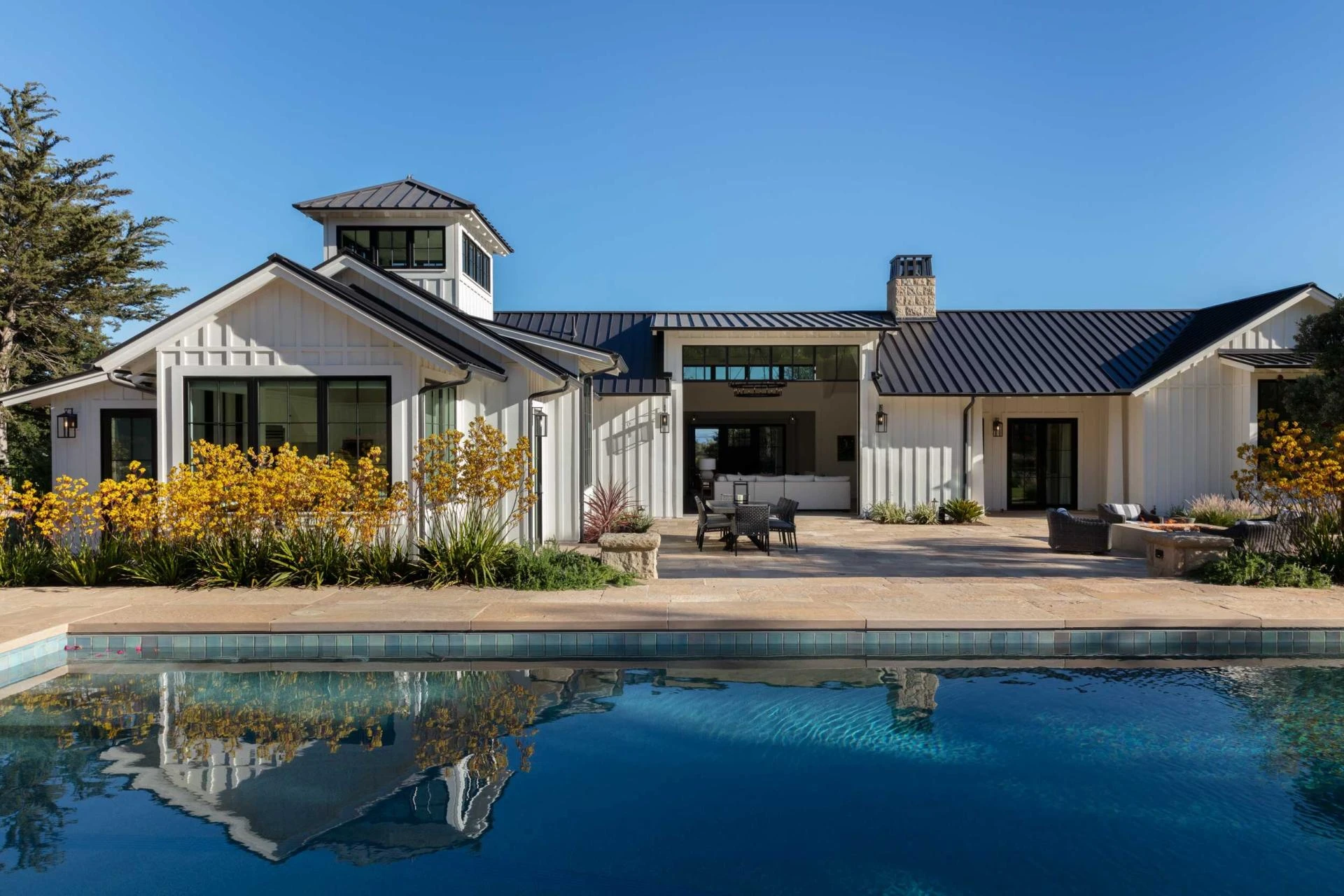
What happens when a coastal classic dares to climb mountains and settle into the city? The timeless Santa Barbara style—known for its Spanish colonial roots, red-tile roofs, and light-filled courtyards—is no longer confined to the coastline. Today, architects in Santa Barbara are rewriting its story, adapting this warm, breezy aesthetic to the most unexpected terrains with grace and functionality.
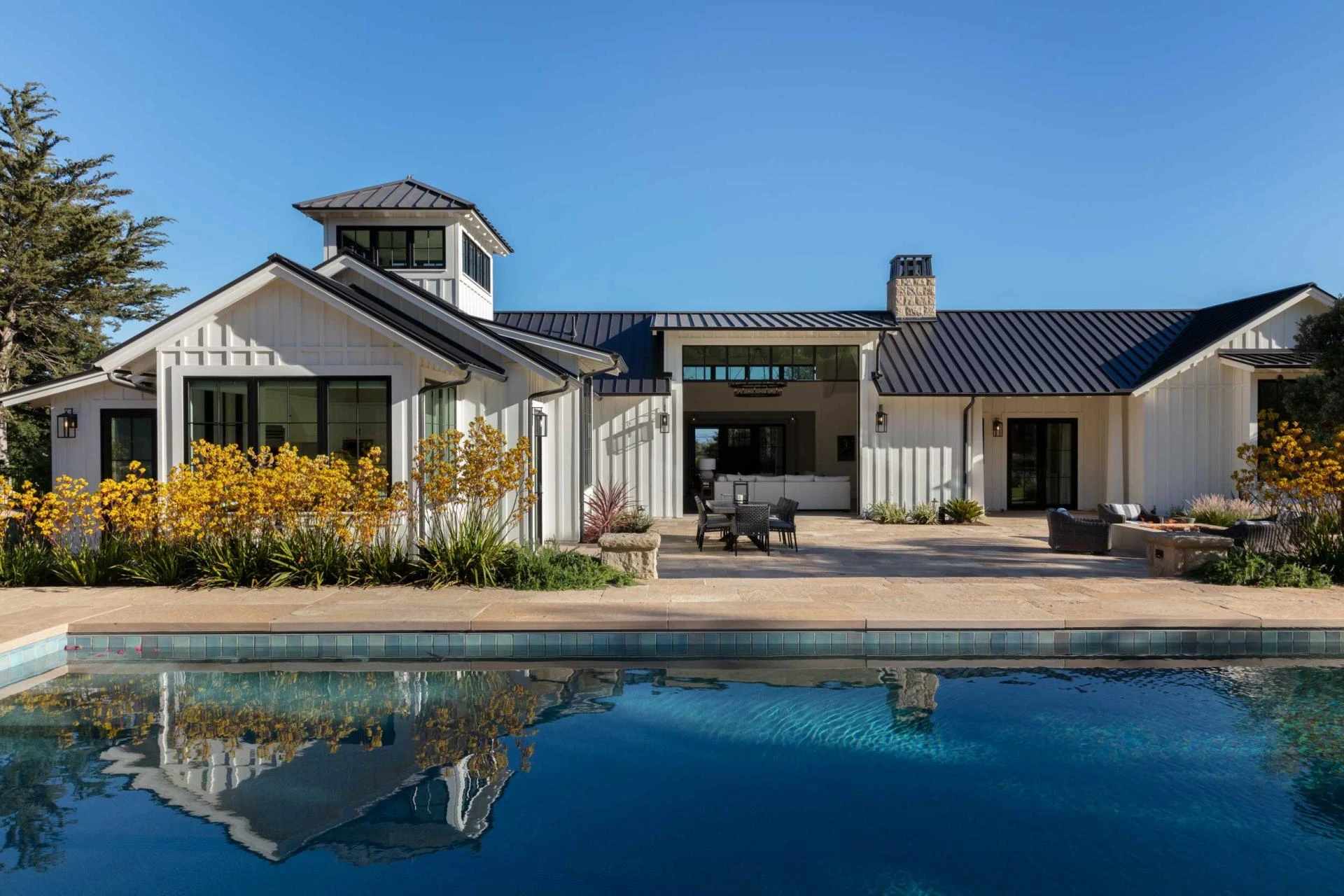
Design That Moves Beyond the Shoreline
You’ve admired its beauty by the beach—but can Santa Barbara style thrive on a steep hillside or an urban infill lot? Absolutely. This architectural language, defined by its stucco exteriors, arched openings, and natural material palette, holds surprising versatility. As an experienced professional in custom homes, green building, or historic conservation, you know that architecture must respond to its environment without losing its soul.
● On hillsides, deep eaves and tiered terraces adapt beautifully to slope constraints.
● In desert settings, thick plastered walls and shaded porticos keep interiors cool.
● For city lots, compact courtyards and rooftop patios maintain privacy while maximizing space.
This seamless adaptability keeps the design both visually calming and climatically functional.
Urban Elegance Meets Old-World Charm
In urban zones, Santa Barbara’s warmth softens the steel-and-glass dominance. It introduces textured surfaces, human-scaled design, and organic flow. Developers seeking upscale solutions often choose this style to bring distinction and comfort to city living. As a residential architect Santa Barbara trained in energy-efficient homes and home remodeling, you already grasp the art of blending tradition with modern codes.
Ask yourself—how can a red-clay roof make a steel-framed structure feel like home? By grounding it. And when you combine it with minimalist interiors and sustainable detailing, you don’t just blend styles—you evolve them.
Mountain Settings: Where Structure Embraces the Land
Mountain homes require more than aesthetic sensibility. They demand engineered resilience and environmental harmony. Santa Barbara-style designs—when customized—meet this challenge.
● Earth-tone plasters mirror the surrounding landscape.
● Low-profile silhouettes reduce visual impact on ridgelines.
● Open loggias and panoramic windows frame the wild, not fight it.
According to the National Association of Home Builders, over 60 percent of luxury homeowners now seek “designs that blend into natural surroundings”. This is exactly where your expertise in home additions and floor plans shines.
Material Integrity Across Every Terrain
Let’s not forget—materials matter. The original Santa Barbara look leans on wood, iron, terracotta, and hand-finished plaster. These materials translate beautifully into non-coastal contexts with minimal modification.
● In drier regions, sealed hardwood and tile can offer longevity.
● In colder climates, radiant flooring beneath terracotta tiles adds comfort without visual compromise.
● In cities, plaster facades paired with steel windows add urban relevance without sacrificing soul.
Every detail you specify—from arch radius to tile glaze—becomes part of a larger design conversation between place and tradition.
Why This Style Still Speaks to Today’s Luxury Clients
Santa Barbara–inspired architecture isn’t just aesthetic nostalgia. It’s a living design language that speaks to modern values: sustainability, serenity, and timeless beauty. It suits those who invest in experience-driven homes—the ones that feel curated rather than constructed.
Whether your client is building a seasonal getaway or a year-round hillside retreat, this style has the visual comfort and environmental logic they crave. With the right interpretation, it’s more than beach chic—it’s terrain-responsive architecture at its best.
So, the next time a client says they want something “classic but different,” ask this:
“What if we took Santa Barbara up the mountain or down the block—and made it yours?”
Ready to reimagine the traditional? Let your next design speak the language of light, land, and legacy. Let architects in Santa Barbara inspire your next vision—wherever it needs to rise.