Becoming an airline pilot is a dream for many students who are passionate about aircraft, travel and aviation. The idea of sitting in a cockpit and flying an aircraft is exciting, but there is much more to this profession than learning how to operate an aircraft.
A professional airline pilot needs a combination of technical knowledge, communication skills, discipline, sound judgement and the ability to work with others. Flying skills are essential, but the qualities developed outside the cockpit also play an important role in building a successful aviation career.
For students considering a commercial pilot training program, understanding these expectations early can help them prepare for the responsibilities that come with the profession.
1. Strong Decision-Making Skills
Pilots make decisions throughout every stage of a flight. From reviewing weather information before departure to responding to changing conditions, they need to assess information carefully and follow the appropriate procedures.
Good decision-making does not mean acting quickly without thinking. It means understanding a situation, considering available information and choosing an appropriate course of action.
Aspiring pilots should develop the habit of thinking logically, staying calm under pressure and avoiding unnecessary risks. These abilities are important not only during flight training but throughout an airline career.
2. Clear Communication and Teamwork
Flying an aircraft is not a one-person responsibility. Airline operations involve coordination between pilots, cabin crew, air traffic controllers, ground staff and other aviation professionals.
Clear communication helps everyone understand instructions, share important information and coordinate their responsibilities.
For example, pilots need to communicate effectively with air traffic control while following standard aviation phraseology. They also need to maintain clear communication within the cockpit.
Teamwork is equally important. A professional pilot must be willing to listen, share information and work respectfully with other team members. Developing these skills early can make the transition into professional aviation smoother.
3. Discipline and Responsibility
Aviation demands consistency. Pilots must follow established procedures, complete required checks and remain attentive to their responsibilities.
Small details matter in aviation. Reviewing flight information, checking documentation and following standard operating procedures are all part of maintaining safe and organised operations.
This is why discipline should become a habit during pilot education itself. Students who develop regular study routines, manage their time well and take their responsibilities seriously build a useful foundation for their future careers.
4. Situational Awareness
Situational awareness is the ability to understand what is happening around you, recognise important changes and anticipate what might happen next.
For pilots, this includes monitoring flight information, understanding weather conditions, observing aircraft performance and remaining aware of the operational environment.
It is not simply about looking at instruments. Pilots must interpret the information available to them and understand how different factors may affect a flight.
Aspiring pilots can begin developing this mindset by paying attention to aviation concepts, asking questions and learning how different elements of flight operations work together.
5. Managing Workload and Staying Calm Under Pressure
An airline pilot may need to monitor several things at once, including aircraft instruments, communication, weather updates and operational instructions.
Managing this workload requires focus, prioritisation and the ability to remain composed when situations become demanding.
Students can start building these habits through consistent preparation. Following a study schedule, completing tasks on time and learning to handle challenging subjects without losing focus can help develop a more organised approach.
The ability to recognise when support is needed is also important. Professionalism includes knowing how to communicate concerns and work with others rather than trying to manage everything alone.
6. A Commitment to Continuous Learning
Aviation is an industry where learning does not stop after completing a course or obtaining a licence. Pilots must continue developing their knowledge, keeping up with relevant procedures and completing the training required for their roles.
For aspiring pilots, this mindset should begin during their initial aviation education.
Subjects such as Air Navigation, Meteorology, Air Regulations and Aircraft Technical Knowledge provide an important academic foundation. Understanding these subjects rather than simply memorising answers helps students build knowledge they can continue using throughout their careers.
A well-planned commercial pilot training program should therefore encourage curiosity, conceptual understanding and a willingness to keep improving.
7. Professional Attitude and Personal Responsibility
Passengers trust airline pilots with their safety. This responsibility requires maturity, honesty and a professional attitude.
Being punctual, following procedures, accepting feedback and recognising personal limitations are all part of professional behaviour.
A pilot must also understand that confidence should never turn into overconfidence. Aviation requires respect for procedures, awareness of risks and a willingness to learn from mistakes.
These qualities are developed over time through education, experience and consistent effort.
How SkyWize Aviation Supports Aspiring Pilots
Preparing for an aviation career involves more than clearing examinations. Students also need the right academic foundation, guidance and an understanding of what the profession expects from them.
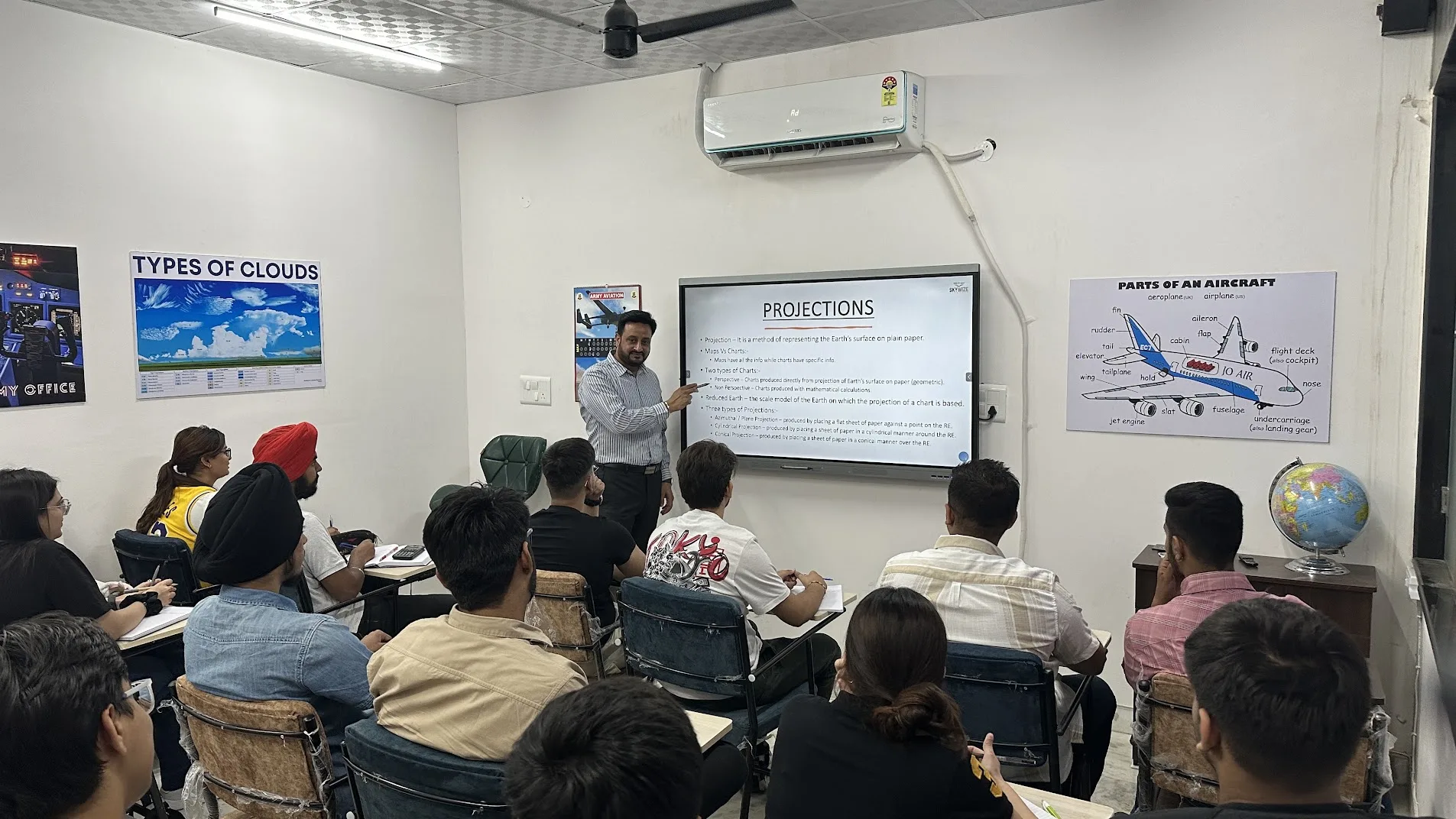
At SkyWize Aviation, the focus is on helping aspiring pilots build that foundation through structured DGCA ground training, experienced aviation instructors and personalised mentoring.
The institute provides preparation for CPL, PPL and ATPL examinations, along with airline interview and cadet programme preparation. Students also receive guidance on flying school selection and the next stages of their aviation journey.
Through small batches, conceptual learning and individual attention, SkyWize aims to help students develop the knowledge and confidence needed to move forward in aviation.
Learn more about the Commercial Pilot License (CPL) training programme at SkyWize Aviation.
Final Thoughts
Becoming a professional airline pilot takes more than the ability to fly an aircraft. It requires patience, discipline, communication, sound judgement and a genuine commitment to learning.
Students who understand these expectations early can approach their training with a clearer perspective. Technical knowledge builds the foundation, while professional skills help shape the person behind the controls.
If you are planning to enter aviation, start developing these qualities alongside your academic preparation. A successful pilot career is built not just on learning to fly, but on becoming someone others can trust in the cockpit.