
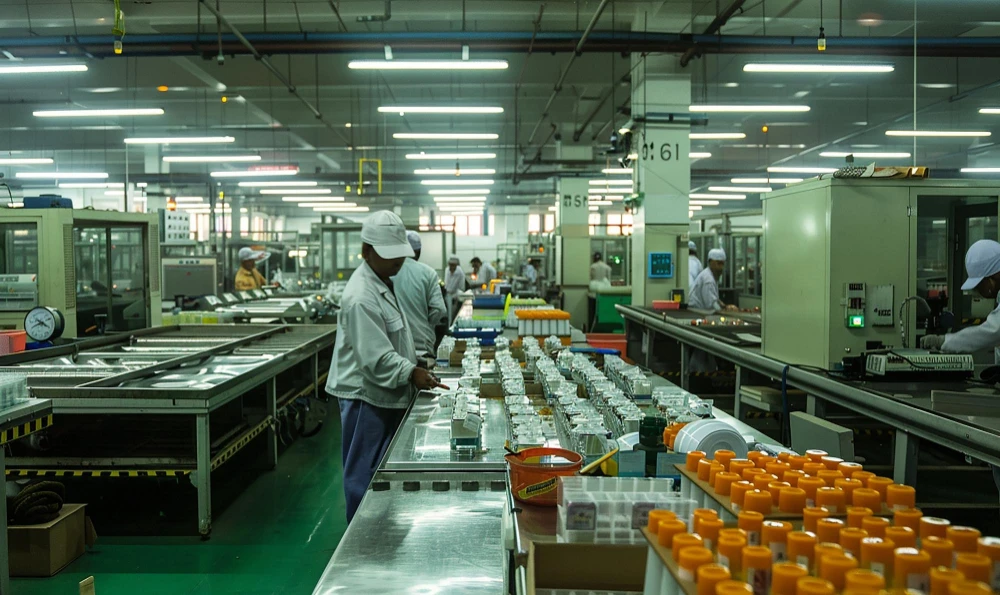
Consistency is what defines a strong beverage operation. Every bottle, can, or container leaving the line is expected to deliver the same taste, the same fill level, the same seal quality, and the same shelf stability. That level of consistency depends on how well each system within the plant performs, especially the compressed air system.
A reliable beverage air compressor supports the entire journey from production to packaging. It influences how smoothly lines run, how accurately filling systems perform, and how effectively hygiene standards are maintained. In high-speed beverage environments, compressed air becomes a critical input rather than a background utility.
When compressed air quality or pressure becomes inconsistent, it shows up immediately in production. Filling variations, sealing issues, label misalignment, and line stoppages all begin to appear. That is why selecting the right beverage air compressor is essential for maintaining consistency across every stage of beverage manufacturing.
The Role of Compressed Air Across Beverage Operations
Compressed air is deeply integrated into beverage production lines. It supports automation, handling, cleaning, and packaging functions. In many cases, it interacts closely with containers and equipment, making air quality and stability essential.
A dependable beverage air compressor system supports:
- Bottle rinsing and cleaning processes
- Filling and dosing systems
- Cap placement and sealing operations
- Labelling and coding systems
- Conveyor movement and product transfer
- Blow-off drying and cleaning functions
- Secondary packaging and palletising
Each of these steps relies on consistent compressed air delivery. When the air supply is stable and clean, the line runs efficiently. When it is not, inconsistencies begin to affect both output and product quality.
Consistency Begins With Pressure Stability
Pressure stability is one of the most important factors in maintaining consistency across beverage production. High-speed bottling lines depend on precise timing and repeatable motion. Even small pressure fluctuations can disrupt this balance.
A properly selected beverage air compressor should maintain steady pressure across all stages of the line, even during peak production periods. This ensures that machines operate at the correct speed and accuracy.
Pressure instability can result in:
- Inconsistent fill levels
- Poor cap sealing or placement
- Reduced labelling accuracy
- Increased product rejection
- Slower line speeds and interruptions
Stable pressure supports consistent output and reduces the need for manual adjustments or downtime.
Air Quality Protects Product Integrity
In beverage manufacturing, air quality is directly linked to product integrity. Compressed air that contains oil, moisture, or particles can affect packaging quality and create contamination risks. Even indirect contact with containers or equipment can impact the final product.
A strong air compressor for food industry setup ensures that compressed air remains clean and suitable for beverage applications. This includes proper filtration, drying, and maintenance to prevent contamination.
Air quality issues may lead to:
- Packaging defects
- Contamination risks
- Reduced shelf life
- Equipment wear and malfunction
- Increased cleaning requirements
Maintaining clean air helps beverage manufacturers deliver consistent quality across every unit.
Moisture Control Supports Reliable Operations
Moisture is one of the most common challenges in compressed air systems. During compression, water vapour condenses and can move through the system if not properly removed. In beverage operations, moisture can interfere with packaging and affect equipment performance.
A reliable beverage air compressor setup includes effective moisture control through dryers, separators, and drain systems. Removing moisture helps maintain consistent performance and protects both equipment and product quality.
Moisture-related problems include:
- Corrosion in pipelines and components
- Poor packaging adhesion and sealing
- Valve and actuator damage
- Increased maintenance frequency
- Hygiene concerns in sensitive areas
Controlling moisture ensures that compressed air supports both performance and cleanliness.
Filtration Ensures Clean Air Delivery
Filtration is essential for maintaining air quality in beverage production. It removes particles, oil aerosols, and moisture before the air reaches critical processes. Without proper filtration, contaminants can affect both equipment and product quality.
A strong filtration setup for an air compressor for food processing system may include:
- Intake filters for environmental contaminants
- Pre-filters for bulk particles and moisture
- Fine filters for oil aerosols
- Activated carbon filters for vapours and odours
- Point-of-use filters for critical stages
Effective filtration ensures that clean air is delivered consistently across the production line.
System Design Impacts End-to-End Consistency
The performance of a beverage air compressor depends on the design of the entire compressed air system. Poor system design can lead to pressure drops, uneven air distribution, and moisture buildup. These issues affect consistency across production and packaging stages.
A well-designed system should provide:
- Balanced airflow across all points of use
- Minimal pressure loss
- Efficient moisture removal
- Easy access for maintenance
- Flexibility for future expansion
System design plays a key role in maintaining stable operations from production to packaging.
Reliability Keeps Production Running
Beverage plants often operate at high speed and for extended hours. Any disruption in compressed air supply can halt production and lead to losses. Reliability is therefore a critical factor in selecting a beverage air compressor.
A reliable system should offer:
- Consistent performance under varying loads
- Durable components for continuous operation
- Easy maintenance access
- Strong service support
- Compatibility with demanding production conditions
Reliable compressed air systems help maintain steady output and reduce the risk of downtime.
Integration With Food Processing Systems
Beverage production is closely linked with broader food processing operations. A beverage air compressor must integrate seamlessly with systems used across the facility, including those supporting mixing, preparation, and packaging.
An integrated system supports:
- Smooth coordination between production stages
- Reduced operational delays
- Improved process efficiency
- Better control over product quality
Selecting an air compressor for food industry applications that align with overall plant requirements helps maintain consistency across operations.
Maintenance Ensures Long-Term Consistency
Regular maintenance is essential for keeping compressed air systems performing at their best. Without proper maintenance, filters can clog, moisture levels can rise, and leaks can develop, affecting both performance and air quality.
A strong maintenance plan for a compressor for food applications should include:
- Routine inspection of filters and dryers
- Monitoring of pressure and moisture levels
- Leak detection and repair
- Timely replacement of worn components
- Cleaning of system elements
Maintenance helps prevent unexpected issues and ensures that the system continues to support consistent production.
Energy Efficiency Without Compromising Performance
Energy efficiency is an important consideration in beverage manufacturing, but it should not come at the cost of consistency. A well-designed beverage air compressor system balances energy use with performance needs.
Efficiency practices include:
- Matching compressor output to demand
- Reducing pressure drop across the system
- Fixing air leaks
- Using advanced control systems
- Monitoring system performance regularly
Balancing efficiency with performance helps reduce operating costs while maintaining production stability.
Planning for Growth and Future Demand
Beverage manufacturers often expand production capacity to meet growing demand. A compressed air system that only meets current needs may struggle to support future growth. Planning ahead ensures that the beverage air compressor system remains reliable as production scales.
Future-ready planning should include:
- Scalable compressor capacity
- Flexible system design
- Space for additional filtration and drying units
- Advanced control systems for multiple compressors
- Backup solutions for critical operations
This approach helps maintain consistency as production requirements evolve.
Common Causes of Inconsistency in Beverage Lines
Many beverage facilities face recurring issues related to compressed air systems. These issues often affect both production efficiency and product quality.
Common causes include:
- Pressure fluctuations during peak demand
- Inadequate moisture control
- Poor filtration in sensitive areas
- Air leaks reducing system efficiency
- Incorrect compressor sizing
- Lack of regular maintenance
Addressing these issues helps improve system performance and supports consistent production.
Conclusion
Consistency across beverage production and packaging depends on multiple factors, and oil free air compressor is one of the most important among them. A reliable beverage air compressor system supports stable pressure, clean air, and efficient operations across every stage of the process.
From air quality and moisture control to system design and maintenance, each element contributes to maintaining consistent output and protecting product integrity. Selecting the right beverage air compressor helps beverage manufacturers deliver high-quality products while maintaining efficient and reliable operations.
For facilities focused on long-term performance and product consistency, investing in a well-planned compressed air system is a practical step toward achieving these goals.
FAQ
Why is a beverage air compressor important for production consistency?
A beverage air compressor provides stable pressure and clean air, ensuring that filling, sealing, and packaging processes operate consistently. This helps maintain product quality and reduces production issues.
How does air quality affect beverage packaging?
Air quality affects packaging by influencing sealing, labelling, and container cleanliness. Contaminated air can lead to defects, reduced shelf life, and potential product rejection.
What role does moisture control play in beverage operations?
Moisture control prevents corrosion, equipment damage, and hygiene risks. Removing moisture ensures reliable system performance and supports consistent production.
How can beverage manufacturers improve compressed air efficiency?
Manufacturers can improve efficiency by matching compressor output to demand, reducing leaks, maintaining filters and dryers, and optimising system design.
What should be considered when selecting a compressor for food applications?
When selecting a compressor for food applications, factors such as air quality requirements, pressure stability, system design, and maintenance needs should be considered to ensure consistent and safe production.