
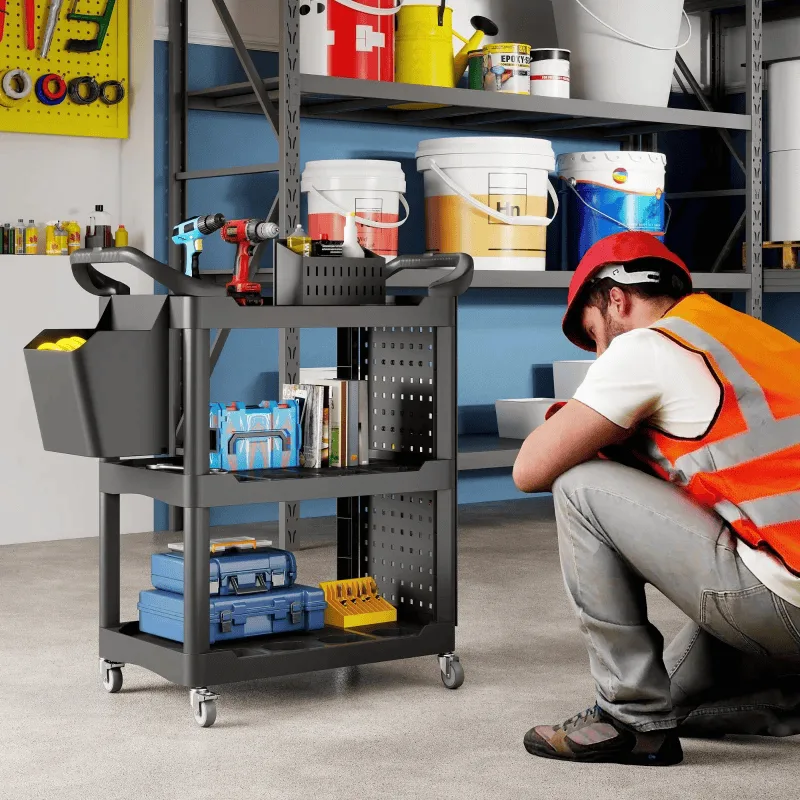
A well-equipped workshop can make DIY projects more organized, efficient, and enjoyable. Whether you are assembling furniture, repairing household items, building shelves, or working on creative projects, having the right tools can make a significant difference. Workshop tools range from basic hand tools to power equipment designed for cutting, drilling, sanding, fastening, and measuring. The best workshop tools for DIY projects depend on the type of work you plan to perform, your experience level, available workspace, and budget. Building a useful collection gradually can help ensure that you have the appropriate equipment without purchasing tools you rarely use.
Essential Hand Tools
Hand tools form the foundation of most home workshops. They do not require electricity and are suitable for a wide range of basic repair and construction tasks.
A set of screwdrivers with different sizes and head types is useful for assembling furniture, tightening hardware, and performing household repairs. Adjustable wrenches and combination wrench sets can handle various nuts and bolts, while pliers are helpful for gripping, bending, cutting, and holding materials.
A claw hammer is another essential tool for driving and removing nails. Utility knives can be used for cutting cardboard, packaging, insulation, and other suitable materials. When choosing hand tools, look for comfortable handles, durable construction, and sizes that match the tasks you commonly perform.
Measuring and Marking Tools
Accurate measurements are important for almost every DIY project. A basic workshop should include a tape measure, combination square, level, and marking pencil.
A tape measure is useful for determining dimensions, while a combination square can help check angles and mark straight lines. A spirit level helps determine whether shelves, cabinets, frames, and other structures are properly aligned.
For more detailed woodworking or construction projects, a marking gauge, chalk line, or digital measuring tool may also be useful. Taking time to measure carefully before cutting or drilling can reduce material waste and improve the final result.
Cordless Drills and Drivers
A cordless drill is one of the most versatile power tools for a home workshop. It can be used for drilling holes and driving screws in suitable materials. Different drill bits allow the tool to work with wood, metal, plastic, and other materials when the appropriate bit is selected.
Cordless models provide freedom of movement and do not require a power cord during operation. When choosing a drill, consider battery voltage, chuck size, speed settings, torque adjustment, battery capacity, and overall weight.
An impact driver can be useful for driving larger screws and fasteners. However, it provides a different type of operation from a standard drill and may not be necessary for simple DIY tasks.
Saws for Cutting Materials
Saws are important for DIY projects involving wood, plastic, metal, or other materials. The appropriate saw depends on the material and type of cut required.
A circular saw is useful for making relatively long, straight cuts in suitable sheet materials and lumber. A jigsaw can make curved, angled, and detailed cuts. A handsaw remains a practical option for simple cutting tasks without requiring electricity.
For workshop users who regularly perform woodworking, a miter saw can help make accurate crosscuts and angled cuts. Before selecting a saw, consider the materials you work with most often and the level of precision required.
Sanders and Finishing Tools
Sanding can improve the surface of wood and other suitable materials by removing rough areas, preparing surfaces for paint, or creating a smoother finish.
An orbital sander is a common choice for DIY woodworking because it can cover relatively large surfaces efficiently. A detail sander may be more useful for corners and smaller areas, while sanding blocks provide a simple manual alternative.
Different sanding projects require different grades of abrasive material. Coarser abrasives can remove material more quickly, while finer grades are generally used for finishing. Always follow the tool manufacturer's instructions and wear appropriate protective equipment.
Clamps and Work-Holding Tools
Clamps help keep materials securely positioned while cutting, drilling, gluing, or assembling. They are especially useful for woodworking projects where movement can affect accuracy.
Common options include bar clamps, quick clamps, spring clamps, and C-clamps. A bench vise can provide a more permanent work-holding solution for a workshop workbench.
Having several clamps in different sizes allows DIY users to handle both small repairs and larger projects. Choose clamps that provide enough pressure and reach for the materials you typically work with.
Workshop Workbench and Storage
A sturdy workbench provides a dedicated surface for completing DIY projects. A good workbench should be stable, appropriately sized for the available space, and capable of supporting the tools and materials being used.
Storage is equally important. Toolboxes, pegboards, cabinets, drawers, and wall-mounted organizers can keep equipment accessible while reducing clutter. Frequently used hand tools can be stored where they are easy to reach, while less frequently used equipment can be kept in cabinets or dedicated storage containers.
An organized workshop can also make it easier to identify missing or damaged tools before starting a project.
Safety Equipment
Workshop safety equipment should be considered essential rather than optional. Safety glasses can protect the eyes from dust and flying particles, while hearing protection can reduce exposure to loud power tools.
Depending on the task, dust masks or respirators, work gloves, protective footwear, and suitable clothing may also be appropriate. Loose clothing and jewelry should be kept away from rotating machinery.
Good ventilation is important when working with paints, adhesives, finishes, or materials that produce dust or fumes. Keep electrical cords organized and inspect power tools before use.
Choosing the Right Workshop Tools
The best workshop tool collection should be based on actual project requirements. Beginners can start with basic hand tools, measuring equipment, a drill, clamps, and a suitable workbench. Additional power tools can be purchased as project needs increase.
Quality is often more important than simply having a large number of tools. Durable tools can provide better reliability and may be more comfortable during extended use. However, expensive professional-grade equipment is not always necessary for occasional household projects.
Consider tool compatibility as well. Cordless power-tool systems that use interchangeable batteries can reduce the number of chargers and battery types required in a workshop.
Maintaining Workshop Tools
Proper maintenance can extend the useful life of workshop equipment. Clean tools after use and store them in a dry environment. Metal hand tools should be protected from excessive moisture to reduce the risk of corrosion.
Power-tool batteries should be stored according to the manufacturer's recommendations. Inspect drill bits, saw blades, sanding discs, and other consumable accessories regularly and replace them when they become excessively worn.
Keeping tools clean and organized also makes it easier to identify problems before beginning the next project.
Conclusion
The best workshop tools for DIY projects combine versatility, durability, accuracy, and ease of use. Essential hand tools, measuring equipment, cordless drills, saws, sanders, clamps, workbenches, storage systems, and safety gear can form the foundation of a capable home workshop. Instead of buying every available tool at once, DIY enthusiasts can build their collection gradually according to the projects they undertake. With proper organization, maintenance, and safe working practices, a home workshop can provide a practical space for repairs, construction, woodworking, and many other creative projects.
Frequently Asked Questions
1. How much space is needed for a home workshop?
There is no fixed minimum size. A compact area can support basic repairs with careful organization, while larger spaces provide room for workbenches and stationary power tools. The layout should allow safe movement around equipment.
2. Are refurbished workshop tools worth considering?
Refurbished tools can be an option for reducing costs, particularly when purchased from reputable sources. Check the tool's condition, included accessories, warranty, and availability of replacement parts before purchasing.