Starting a fitness journey brings excitement, motivation, and plenty of questions. One of the most common questions beginners ask is: What is the best whey protein for beginners for weight gain. The supplement industry is filled with bold claims, flashy packaging, and confusing terminology. For someone new to strength training or gym workouts, choosing the right whey protein can feel overwhelming.
If your goal is healthy weight gain through muscle development — not excess fat — this comprehensive guide will help you understand everything you need to know before making a decision.
Understanding Healthy Weight Gain
Before discussing supplements, it’s important to understand what healthy weight gain actually means.
Weight gain can happen in two ways:
- Fat gain from excessive calorie intake without structured training
- Lean muscle gain from progressive resistance training combined with adequate nutrition
For beginners, the goal should always be increasing lean muscle mass while minimizing fat accumulation.
To achieve this, three pillars matter:
- A controlled calorie surplus
- Progressive strength training
- Adequate protein intake
Protein becomes the foundation because muscles are built from amino acids — and whey protein is one of the most efficient ways to deliver them.
Why Protein Is Critical for Beginners
When you lift weights, your muscle fibers experience microscopic damage. Your body repairs this damage by fusing muscle fibers together, increasing their size and strength. This repair process requires amino acids, which come from protein.
For beginners, protein intake is especially important because:
- Your body is highly responsive to new training stimuli
- Muscle recovery determines how often you can train
- Insufficient protein slows progress
While whole foods should always be your primary source, many beginners struggle to consistently meet daily protein targets through diet alone. This is where whey protein becomes practical and convenient.
What Is Whey Protein?
Whey protein is derived from milk during the cheese-making process. It contains all nine essential amino acids, making it a complete protein source.
Its high biological value and rapid absorption make it one of the most researched sports nutrition supplements available today.
There are three primary forms:
1. Whey Protein Concentrate
- Contains 70–80% protein
- Includes small amounts of lactose and fats
- Budget-friendly
- Ideal for beginners seeking balanced nutrition
2. Whey Protein Isolate
- 90% or more protein
- Very low lactose
- Leaner option
- Good for individuals sensitive to dairy
3. Whey Protein Hydrolysate
- Pre-digested for faster absorption
- Often used in clinical or advanced sports settings
- Higher cost
For most beginners focused on muscle-building weight gain, concentrate or a balanced blend is more than sufficient.
What Makes the Best Whey Protein for Beginners for Weight Gain?
Not all protein powders are created equal. When selecting the right option, beginners should prioritize function over marketing hype.
Here are the critical factors to evaluate:
1. Protein Per Serving
A serving containing 20–30 grams of protein is ideal for stimulating muscle protein synthesis.
2. Amino Acid Content
Leucine is the key amino acid responsible for activating muscle growth pathways. A high-quality whey protein naturally contains strong levels of BCAAs.
3. Digestibility and Tolerance
New users sometimes experience bloating. Choosing a product with good solubility and clean formulation improves comfort and absorption.
4. Calorie Strategy
Protein alone does not guarantee weight gain. You need a calorie surplus. The best approach is combining whey protein with nutrient-dense foods like:
- Oats
- Peanut butter
- Whole milk
- Bananas
- Almond butter
This allows gradual, controlled weight gain focused on muscle rather than fat.
5. Ingredient Transparency
Avoid products loaded with unnecessary fillers, artificial additives, or excessive sugar. A clean formula supports long-term use.
How Whey Protein Supports Muscle-Based Weight Gain
Whey protein contributes to healthy weight gain by:
- Providing fast-absorbing amino acids
- Reducing muscle breakdown
- Improving recovery speed
- Supporting lean tissue development
When paired with resistance training, it ensures that extra calories are directed toward muscle repair instead of fat storage.
It is not a “magic” product — it is a nutritional tool that supports structured training.
How Much Protein Do Beginners Need?
Research suggests that beginners aiming for muscle growth should consume approximately:
1.2 to 1.6 grams of protein per kilogram of body weight daily
For example:
- A 55 kg individual may need 66–88 grams per day
- A 70 kg individual may need 84–112 grams per day
Whey protein makes achieving these targets more manageable without excessive meal preparation.
Best Time to Take Whey Protein
Timing plays a supportive role in muscle recovery.
Ideal times include:
- Within one hour post-workout
- Between meals if protein intake is low
- As part of a calorie-rich breakfast
However, total daily intake is more important than perfect timing.
Creating a Beginner Weight Gain Plan
To maximize results, combine whey protein with:
Structured Strength Training
Focus on compound movements such as:
- Squats
- Deadlifts
- Bench press
- Pull-ups
- Rows
Train 3–4 times per week with progressive overload.
Smart Calorie Surplus
Aim for 250–400 extra calories daily above maintenance level. Excessive surpluses may increase fat gain.
Quality Sleep
Muscle repair happens during sleep. Aim for 7–9 hours per night.
Common Myths About Whey Protein
Myth 1: Whey Protein Causes Fat Gain
Fat gain depends on total calories, not protein alone.
Myth 2: Beginners Don’t Need Supplements
While not mandatory, whey simplifies meeting nutritional targets.
Myth 3: More Protein Equals Faster Muscle Growth
Excess protein beyond daily needs does not accelerate results.
Myth 4: Whey Is Unsafe
For healthy individuals, moderate whey consumption is generally safe and well-researched.
Safety Considerations
Most beginners tolerate whey protein well. However:
- Stay hydrated
- Avoid extremely high intake
- Consult a healthcare professional if you have kidney concerns
- Choose isolate if lactose sensitive
Responsible use ensures both safety and effectiveness.
How to Evaluate Brands
Before purchasing, consider:
- Manufacturing standards
- Ingredient clarity
- Third-party testing
- Brand reputation
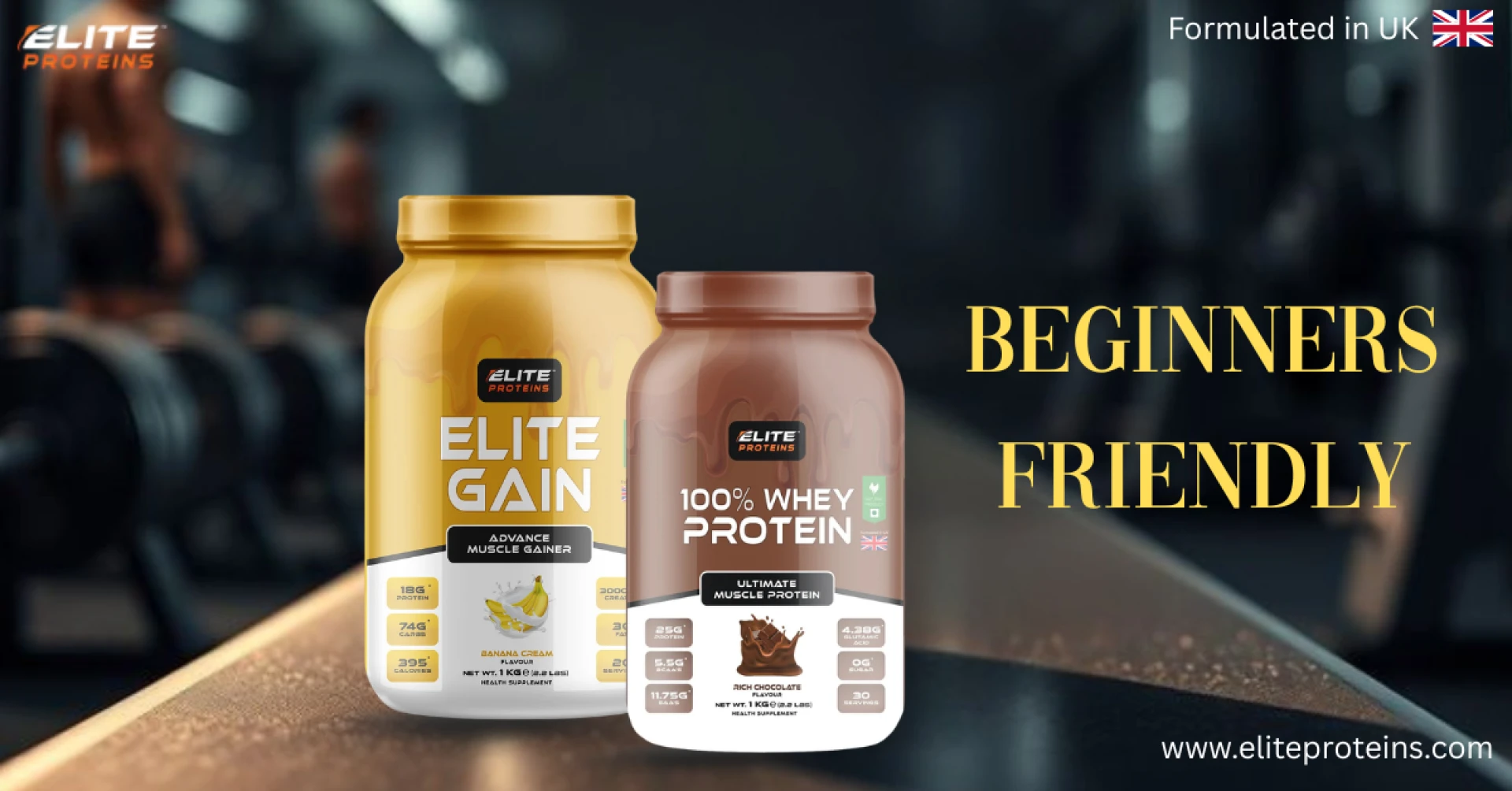
For those exploring beginner-friendly formulations focused on muscle-based weight gain, platforms such as Elite Proteins provide options built around clean sourcing and structured performance nutrition. Selecting a reputable provider ensures long-term confidence in what you consume.
Long-Term Perspective on Weight Gain
Healthy muscle gain is gradual. Beginners often expect rapid transformation, but sustainable progress typically looks like:
- 0.25–0.5 kg gain per week
- Gradual strength improvement
- Visible muscle definition after consistent training
Patience combined with disciplined nutrition yields the best results.
Final Thoughts
Finding the best whey protein for beginners for weight gain is not about choosing the most expensive product or the one with the loudest marketing.
It is about:
- Meeting your daily protein requirement
- Supporting muscle recovery
- Maintaining a calorie surplus strategically
- Training consistently
- Choosing a clean, reliable formula
When used intelligently alongside strength training and balanced nutrition, whey protein becomes one of the most effective tools for building lean mass.
Your transformation will not happen overnight — but with proper guidance and consistency, steady muscle growth is achievable for every beginner.
FAQs
1. Can beginners take whey protein daily for weight gain?
Yes, daily use is safe within recommended protein limits and when combined with balanced nutrition.
2. Is whey concentrate good for gaining weight?
Yes. It provides balanced macronutrients and supports muscle growth effectively for beginners.
3. How quickly can beginners gain weight using whey protein?
With consistent training and calorie surplus, noticeable results may appear within 4–8 weeks.
4. Should whey protein replace meals?
No. It should supplement whole foods, not replace them.
5. Can skinny beginners gain muscle with whey protein alone?
Whey protein supports muscle growth, but strength training and calorie surplus are essential for visible gains.