Introduction: Timing is Everything
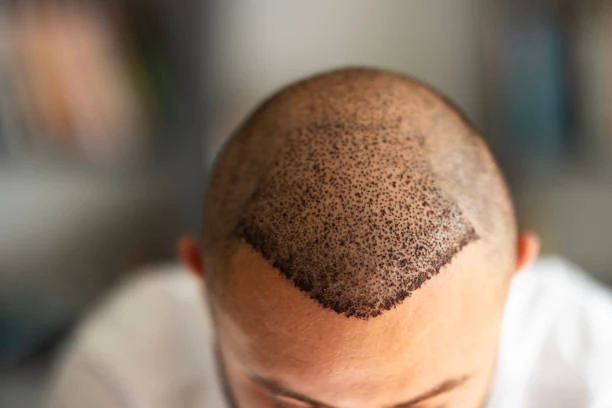
When it comes to a hair transplant in Dubai(زراعة الشعر في دبي), the when can be just as important as the how. While modern techniques have made recovery more manageable, Dubai’s unique climate, social calendar, and lifestyle patterns can significantly influence your healing experience.
So, what’s the ideal time of year to book your procedure? This guide breaks it down season by season, helping you choose a timeframe that supports a smooth recovery and lasting results.
Why Seasonal Timing Matters in Dubai
Dubai is known for its dazzling skyline and luxurious lifestyle—but also for its scorching summers, fluctuating humidity, and bustling event calendar. These factors all play a role in post-procedure comfort, aftercare, and long-term outcomes.
Considerations include:
- Temperature & sun exposure: Healing skin is sensitive to UV rays.
- Humidity: High moisture levels can cause sweating, which may irritate your scalp.
- Lifestyle pace: Social events, travel, and work demands can conflict with the rest and care you need.
- Clothing choices: You may want to conceal signs of your procedure temporarily with hats or looser clothing.
With that in mind, let’s explore how each season stacks up for a hair transplant. 
Winter (December to February): The Prime Season
Why It Works
Winter in Dubai is the most favorable time for a hair transplant. The weather is cooler, with average highs between 22°C to 28°C (72°F to 82°F), and the sun is less intense. This reduces your risk of sweating, irritation, and UV-related complications.
Benefits:
- Easier to stay indoors or wear light hats
- Less chance of heat-induced scalp irritation
- More opportunities to rest during the post-holiday lull
- Outdoor walks for recovery without overheating
Things to Keep in Mind:
- December and January may be busy for those attending social or family gatherings.
- Surgeons often have full calendars this time of year, so book well in advance.
Verdict: The top choice for both comfort and optimal healing.
Spring (March to May): A Good Backup Option
Why It Can Work
Spring in Dubai is a transitional season. Early March still carries the winter chill, but temperatures start climbing quickly by April and May. While not as ideal as winter, early spring offers a good window.
Benefits:
- Early March weather is still relatively mild
- Days are longer, giving you more downtime and natural light indoors
- Post-holiday availability opens up for appointments
Considerations:
- By late April, daytime temperatures can spike over 35°C (95°F)
- Rising humidity levels increase the risk of scalp sweat
- Sun exposure becomes harder to avoid
Verdict: March is a great alternative if winter is fully booked; avoid late spring if you're sensitive to heat.
Summer (June to September): The Least Recommended
Why It's Challenging
Summer in Dubai is notoriously harsh, with temperatures regularly exceeding 40°C (104°F). Coupled with intense humidity, this makes post-procedure care uncomfortable and more difficult to manage.
Risks:
- Excessive sweating can irritate grafts
- More time spent in air-conditioned environments may dry out your scalp
- UV rays are stronger and more dangerous to healing skin
- Wearing hats for protection may cause friction and damage grafts
That Said…
Some patients choose summer because they can take extended leave from work or travel abroad during recovery. If you stay mostly indoors in a climate-controlled space, it is technically feasible.
Verdict: Best avoided unless necessary—and only with strict adherence to indoor recovery and sun protection.
Autumn (October to November): The Underrated Sweet Spot
Why It’s Worth Considering
Autumn signals the gradual return to outdoor life in Dubai. Temperatures begin to drop to manageable levels, especially in November. The transition from summer to winter offers a less crowded appointment calendar and more comfort for recovery.
Benefits:
- Cooler nights make sleeping more comfortable post-surgery
- Outdoor exposure becomes safer
- You can recover before the end-of-year social season
Caveats:
- October can still feel summer-like, especially mid-day
- If you have seasonal allergies, they may affect your scalp or recovery
Verdict: A smart choice if you want to get in ahead of the winter rush.
Timing for Events and Personal Schedules
Planning Around Work and Social Life
Apart from the weather, your personal calendar matters too. Consider:
- Workload: Can you take at least a few days off for initial recovery?
- Vacations: Avoid long flights or beach holidays during the early healing phase.
- Weddings or photoshoots: Schedule your transplant at least 6–9 months in advance if you want visible results in time.
Religious and Cultural Considerations
If you observe Ramadan, it might not be the ideal time due to changes in eating and hydration patterns. Likewise, holidays like Eid often come with social obligations and travel, making recovery trickier.
Special Tip: Aligning with Dubai’s Event Calendar
Dubai hosts many large-scale events—shopping festivals, concerts, and exhibitions. If you’re attending or working at any of these, it’s best to avoid scheduling your transplant too close to them. You’ll need time to recover privately, without the pressure of social exposure.
Final Thoughts: Timing Helps Maximize Your Results
Choosing the best time for your hair transplant in Dubai isn’t just about convenience—it’s about setting yourself up for the best possible outcome. By aligning your procedure with the city's more forgiving seasons, you’ll enjoy a smoother recovery and reduce the risk of complications.
If you're planning in advance, winter or late autumn offer the most comfortable conditions. But no matter the season, thoughtful planning, proper aftercare, and expert guidance will ensure your hair journey begins on the right note.