
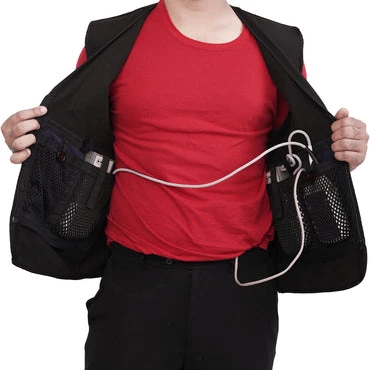
An LVAD (Left Ventricular Assist Device) is a mechanical circulatory support device implanted in individuals with advanced heart failure to assist the left ventricle in pumping blood to the body. LVADs are increasingly used as bridge-to-transplant, destination therapy, or bridge-to-recovery options for selected patients. Managing daily life with an LVAD requires structured routines, specialized equipment, and adaptations that promote independence while minimizing risk. This article provides a comprehensive, professional explanation of evidence-based and clinically accepted approaches to daily routine management for people supported with an LVAD.
Effective LVAD life management is essential because these devices support critical circulatory function and require ongoing monitoring, infection prevention, power management, and situational adaptation. High-quality LVAD care integrates clinical protocols with real-world practice, enabling individuals to maintain quality of life while reducing complications.
Understanding Daily Life with an LVAD
What is an LVAD?
An LVAD is a surgically implanted mechanical pump that assists the left ventricle in circulating blood. It comprises a pump, driveline, controller, and power sources (batteries or AC adapter). LVAD support stabilizes hemodynamics, improves end-organ perfusion, and alleviates symptoms of heart failure. Clinical guidelines define specific care requirements for LVAD recipients to enhance device longevity and minimize risks such as infection, thrombosis, and device malfunction.
Unique Lifestyle Considerations
Daily life with an LVAD involves:
- Device management (power sources, alarms)
- Skin and wound care at the driveline exit site
- Physical activity adaptation and mobility support
- Medical follow-up and emergency preparedness
These components must be integrated into personalized routines based on individual health status, device type, and clinician recommendations.
Core Components of Daily Routine Management
Device and Power Management
Controllers and Batteries
Successful LVAD management prioritizes stable power supply. The controller—a critical processing unit—must remain connected to reliable power. Batteries are typically carried in vest or belt attachments to enable mobility.
Use of an lvad vest such as those designed by LVADGear helps:
- Secure batteries, controller, and associated equipment comfortably
- Distribute weight to reduce strain during ambulation
- Provide organized storage of spare batteries and cables
Correct positioning and secure attachment are essential to prevent accidental pulls on the driveline and maintain consistent operation of the LVAD.
Backup Power Preparedness
Clinical practice dictates maintaining at least one full battery charge on hand at all times and rotating batteries daily. It is standard to check battery levels upon waking, before leaving home, and before sleep. Many centers recommend carrying an extra set of fully charged batteries during extended activities.
Skin and Driveline Care
The driveline exits the body through the abdominal wall and connects to external components. Daily routines must include:
- Cleaning and dressing changes per clinician-directed protocol
- Inspection for signs of infection (redness, discharge, odor)
- Secure fixation to reduce tugging or tension
Infection is a leading long-term complication in LVAD patients, and standardized wound care protocols have been shown to reduce infection rates when consistently applied.
Physical Activity and Rehabilitation
Individuals with an LVAD are encouraged to engage in tailored physical activity programs under the guidance of cardiac rehabilitation specialists. Exercise contributes to:
- Improved functional capacity
- Enhanced psychosocial outcomes
- Better overall circulation
However, exercise regimens must account for device-specific considerations such as avoiding activities that could dislodge the driveline, impact the controller, or disrupt power connections.
Integrating Travel into LVAD Routines
Travel requires careful planning and adaptation of daily LVAD management practices. Specialized preparation reduces risks and supports independence.
Planning and Documentation
Before travel, an LVAD recipient should obtain medical clearance from their LVAD care team to ensure that the journey is safe given their current health status. It is essential to prepare a comprehensive travel summary that includes the device type and model, current medications and schedules, and contact information for the LVAD center. Additionally, confirming access to appropriate medical facilities at the destination is crucial to ensure timely care in case of emergencies or device-related issues. This preparation helps maintain device integrity and supports safe, independent travel.
Packing and Equipment
Essentials for traveling with LVAD include carrying an adequate quantity of batteries and chargers, as well as a backup controller and necessary spare parts to ensure uninterrupted device function. An appropriate carrying system, such as a vest or equivalent, helps secure the equipment comfortably and safely during transit. Comprehensive preparation for traveling with an LVAD is detailed in professional resources, including the LVADGear travel guidance blog, which provides practical strategies to maintain device integrity, navigate airport security protocols, and prepare for unexpected delays. These resources emphasize the importance of systematic pre-travel checklists and contingency planning to ensure safe and efficient travel.
Expert Insights & Best Practices
Structured Daily Time Blocks
Clinicians often recommend segmenting the day into structured blocks that correspond with essential LVAD care tasks. A morning check‑in typically includes checking battery levels, assessing dressings, and monitoring vital signs. A midday review focuses on verifying power status and evaluating any symptoms or changes in condition. The evening routine involves performing driveline dressing changes and ensuring all equipment is prepared and secured for the night. Implementing this systematic approach minimizes the risk of oversight, reinforces consistent habit formation, and supports safe, reliable daily management of the LVAD.
Redundancy and Checklists
High-reliability organizations use redundancy to reduce risk, and similar principles apply to LVAD management. LVAD recipients are advised to maintain duplicate sets of essential supplies to ensure continuity of care in case of loss or malfunction. Utilizing checklists for transitions—such as moving from home to clinic, preparing for travel, or before sleep—helps prevent oversights and ensures critical tasks are completed consistently. Additionally, storing contact information for emergency LVAD assistance provides immediate access to professional support when urgent situations arise, further enhancing safety and reliability.
Education and Training
Comprehensive training from LVAD coordinators includes:
- Hands-on equipment demonstrations
- Simulation of alarm and emergency scenarios
- Regular competency assessments
Evidence suggests structured training improves adherence to routine tasks and reduces adverse events.
Common Mistakes and Misconceptions
Underestimating Power Requirements
A frequent oversight is inadequate battery planning. Travel and extended activities require calculating power consumption based on duration and device-specific draw rates rather than assumptions.
Neglecting Skin Integrity
Some individuals underestimate the importance of daily driveline site inspection. Early detection of irritation or infection can prevent severe complications.
Inconsistent Documentation
Failing to maintain a daily health and device log can make it difficult to identify trends or early signs of device or physiological issues.
Conclusion
Managing daily routines with an LVAD is a complex, multidisciplinary process that integrates device care, physical health monitoring, and adaptive lifestyle practices. Structured daily planning, proper equipment use, and meticulous attention to wound care and power management form the foundation of safe and sustainable life with an LVAD. Travel and extended activities are feasible with thorough preparation and adherence to established clinical strategies. Evidence‑based routines improve outcomes, enhance autonomy, and reduce the risk of complications for LVAD recipients.
FAQs
1. What is an LVAD and how does it affect daily life?
An LVAD is a mechanical circulatory support device used in advanced heart failure. It replaces or augments the pumping function of the left ventricle and requires daily device management, wound care, and adaptation of activities.
2. How should batteries be managed every day?
Clinical protocols recommend checking battery levels each morning, carrying extra charged batteries during outings, and rotating battery use to ensure continuous power.
3. What is the role of an lvad vest in daily routines?
An lvad vest provides secure, ergonomic storage for controllers and batteries, supports mobility, and helps prevent accidental disconnections or tension on the driveline.
4. How frequently should the driveline exit site be inspected?
Inspection and dressing changes are recommended daily, following a clinician‑directed protocol to monitor for signs of infection or irritation.
5. Can individuals with an LVAD exercise?
Yes. Exercise must be guided by cardiac rehabilitation specialists and tailored to avoid device disruption. Focus is on low‑to‑moderate intensity activities that improve conditioning without compromising safety.
6. What special considerations apply to eating and hydration?
Healthy hydration, balanced nutrition, and adherence to sodium restriction guidelines (where applicable) support overall cardiovascular stability and wound healing.
7. How can one prepare for traveling with an LVAD?
Preparing for traveling with LVAD involves acquiring medical documentation, securing adequate supplies, planning for power needs, and familiarizing oneself with destination medical resources.