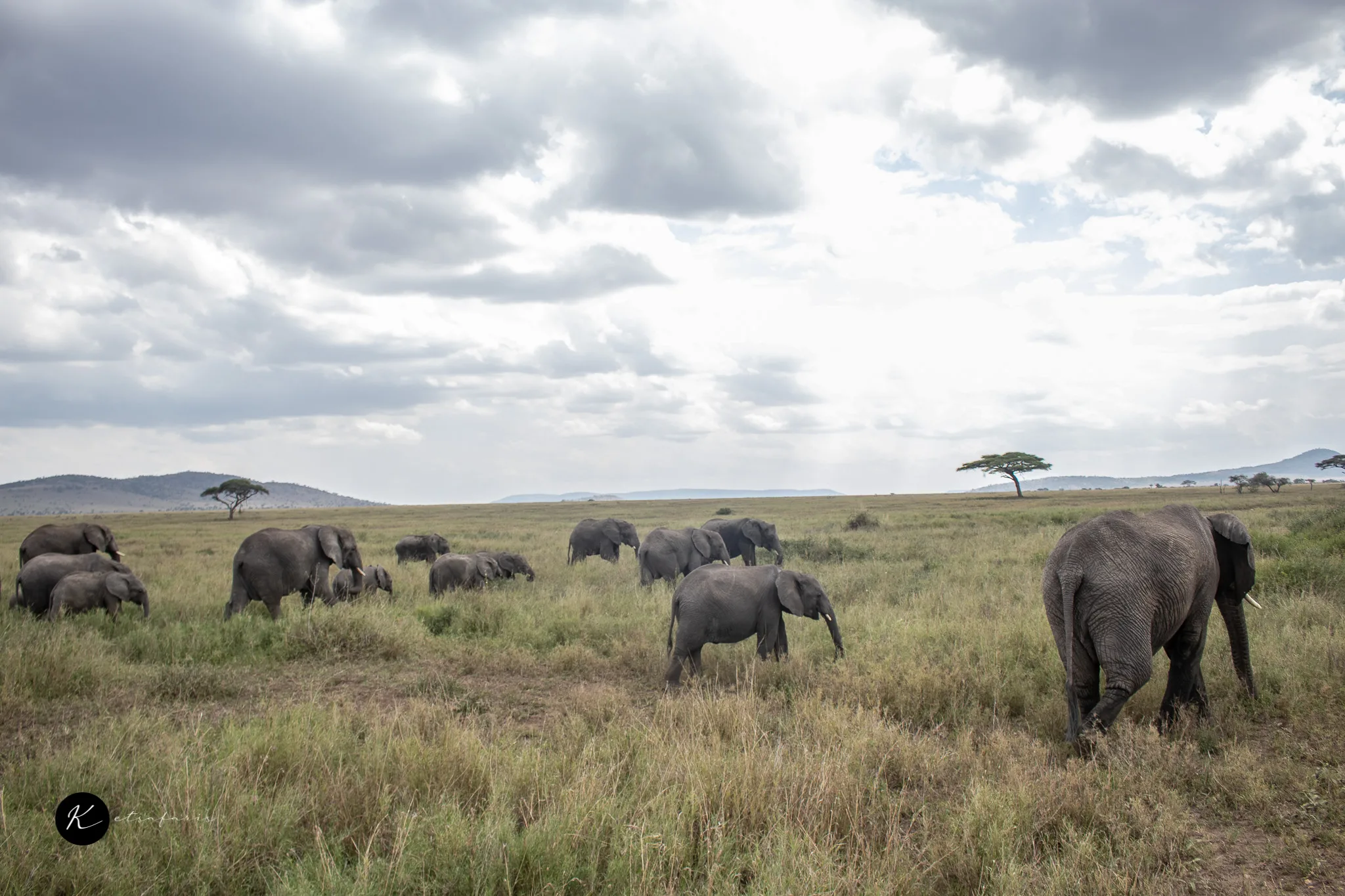
The Great Migration isn't a single event you can circle on a calendar; it's a year-round cycle of more than a million wildebeest, alongside zebras and gazelles, moving in a rough clockwise loop across the Serengeti-Mara ecosystem. That means there's no single "best" month to visit, only the best month for what you specifically want to see. Whether you're chasing dramatic river crossings, newborn calves, or simply want fewer crowds, timing your Serengeti safari package to the right phase of the migration makes all the difference. Here's a month-by-month breakdown to help you plan.
How the Great Migration Moves Throughout the Year
Before diving into specific months, it helps to understand the broader pattern. The herds follow the rains, moving in search of fresh grazing across three main zones: the southern plains, the western corridor, and the northern Serengeti near the Kenyan border.
The Three Phases of the Migration
- Calving season (December–March): Herds gather on the short-grass plains of the southern Serengeti and the Ndutu area.
- Central and western movement (April–June): Herds shift north and west, following seasonal rainfall, with early river activity at the Grumeti River.
- Northern push and river crossings (July–October): Herds reach the northern Serengeti and cross into Kenya's Masai Mara via the Mara River.
Understanding which phase aligns with your travel dates is the first step in choosing the right Serengeti safari package.
January to March: Calving Season on the Southern Plains
If your priority is witnessing new life and predator action, this is the window to target. Roughly half a million wildebeest calves are born across the southern Serengeti and Ndutu plains during this period, with the peak typically falling in February. On a single peak day, thousands of calves can be born within hours of each other.
What This Means for Your Safari
This concentration of vulnerable young animals draws heavy predator activity; lions, cheetahs, and hyenas are all active during this window, making it one of the best times for predator-prey sightings. It's also a quieter season compared to the crossing months, meaning fewer vehicles at sightings and more flexible lodge availability. A Serengeti safari package built around this window should focus on camps near Ndutu and the southern plains.
April to June: Herds on the Move Through the Central and Western Serengeti
As the calves grow stronger, the herds begin their journey north and west. April and May bring the long rains, and the landscape turns lush and green, though game drives can involve more distance as herds spread out across a wider area.
The Grumeti River Crossings
By June, herds typically reach the western corridor, where the first river crossings of the year occur at the Grumeti River. These crossings tend to be smaller and less predictable than the famous Mara River crossings later in the year, largely because water levels in the Grumeti vary from season to season. Still, this period offers excellent value, with fewer crowds and good wildlife density, making it a solid choice for travellers who want migration season without peak-season pricing.
July to October: The Northern Serengeti and Mara River Crossings
This is the phase most travellers picture when they imagine the Great Migration: herds plunging into crocodile-filled waters as they push north into Kenya's Masai Mara. July marks the start of this dramatic phase, with August and September typically offering the most frequent and intense Mara River crossings.
Why This Is Peak Season
Because this is the most sought-after phase of the migration, it's also the busiest and most expensive time to travel. Camps in the northern Serengeti fill up well in advance, and vehicle traffic at popular crossing points can be heavier. A Serengeti safari package during these months should ideally include at least three nights in the northern Serengeti, since crossings aren't guaranteed on any single day and can happen suddenly after hours of herds gathering at the riverbank.
October: The Tail End of the Crossings
By October, most of the herds have crossed into Kenya, though some stragglers remain in the northern Serengeti. This can be a good transitional month for travellers wanting a mix of crossing- season energy with slightly lower demand than the August peak.
November: The Return Journey Begins
As the short rains arrive, the herds begin moving south again through the eastern Serengeti, heading back toward the calving grounds to complete the cycle. This is a quieter, less-visited month, ideal for travellers who want strong wildlife viewing without competing for camp availability or vehicle space at sightings.
Choosing the Right Serengeti Safari Package for Your Dates
Because the migration moves through such different zones throughout the year, the right itinerary depends entirely on when you're travelling. A package built for February calving season should route you through Ndutu and the southern plains, while a July-to-September itinerary needs to prioritise the northern Serengeti near the Mara River. Reviewing detailed Serengeti safari packages before booking helps ensure your route actually matches the migration phase you're hoping to witness, rather than assuming any Serengeti trip guarantees the same experience year-round.
Planning a Multi-Country Migration Trip
Since the Mara River crossings happen right at the border between Tanzania and Kenya, many travellers extend their migration safari to include both countries, particularly for the July to October window when herds are active in Kenya's Masai Mara as well. If your travel dates fall within this period, it's worth comparing our Kenya tours alongside your Serengeti itinerary to see whether a combined route offers a more complete migration experience.
Final Thoughts
The Great Migration runs on nature's schedule, not a fixed calendar, but understanding its general seasonal pattern makes it far easier to plan a safari around what matters most to you. Whether that's the raw drama of a Mara River crossing or the quieter magic of calving season on the southern plains, choosing the right months, and the right itinerary, is the key to making the most of your Serengeti adventure.