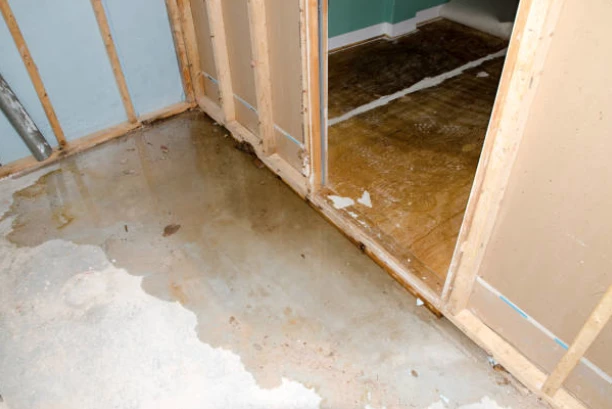
In the architecture of modern property stewardship, the basement occupies a uniquely vulnerable position. Situated below grade, it is perpetually exposed to hydrostatic pressure, fluctuating groundwater levels, and the cumulative effects of seasonal weather patterns. When left unprotected, this subterranean space can become a silent conduit for moisture intrusion, structural degradation, and long-term financial liability. For property owners seeking enduring resilience, especially those mindful of Water Damage Restoration Augusta, MI, proactive prevention is not merely advisable—it is essential.
Understanding the Nature of Basement Water Intrusion
Effective prevention begins with comprehension. Basement water damage rarely stems from a single cause; rather, it is the culmination of multiple, interrelated factors. Groundwater seepage, surface runoff, plumbing failures, and condensation all contribute to moisture accumulation. Over time, even minor infiltration can compromise foundation materials, foster microbial growth, and diminish indoor air quality.
In regions where seasonal precipitation and freeze-thaw cycles are common, the risks intensify. Soil saturation increases lateral pressure against foundation walls, while melting snow can overwhelm inadequate drainage systems. Recognizing these dynamics enables property owners to deploy targeted countermeasures before damage manifests.
Exterior Drainage: The First Line of Defense
Water damage prevention begins outside the structure. The manner in which water is directed away from the foundation plays a decisive role in basement integrity.
Proper grading ensures that the surrounding soil slopes away from the building, discouraging water from pooling near foundation walls. Even subtle depressions can channel water inward, making periodic landscape assessment a prudent practice.
Equally critical is the maintenance of gutters and downspouts. These components must remain unobstructed and adequately extended to discharge water several feet from the foundation perimeter. When functioning optimally, they intercept roof runoff before it can saturate the soil adjacent to the basement.
For properties in high-risk zones, the installation of exterior French drains or curtain drains provides an added layer of protection, intercepting groundwater before it reaches foundation walls.
Foundation Integrity and Sealing Excellence
The foundation serves as both the structural backbone and the moisture barrier of the property. Over time, natural settling, soil movement, and environmental stressors can introduce hairline cracks and porous pathways for water intrusion.
Routine inspection of foundation walls, floors, and joints is indispensable. Identifying and sealing cracks with professional-grade materials prevents minor vulnerabilities from escalating into systemic failures. Modern sealants and waterproof coatings offer durable resistance against moisture penetration while preserving the structural integrity of the foundation.
In older properties, comprehensive foundation waterproofing may be warranted. This approach, often involving membrane installation and drainage board systems, delivers long-term defense against persistent groundwater pressure.
Interior Moisture Management and Environmental Control
While exterior measures form the primary shield, interior systems play a critical supporting role. Basements are inherently prone to elevated humidity, even in the absence of visible leaks.
High-capacity dehumidification systems regulate moisture levels, mitigating condensation on walls, floors, and mechanical components. Maintaining relative humidity within optimal ranges not only protects building materials but also safeguards occupant health.
Additionally, insulation should be carefully selected and installed to prevent condensation buildup. Closed-cell insulation materials, when properly applied, resist moisture absorption and enhance thermal efficiency.
Sump Pump Systems: Strategic Safeguards
In environments susceptible to groundwater accumulation, sump pump systems represent a cornerstone of basement protection. These systems actively remove water that collects beneath the foundation, preventing it from rising to damaging levels.
Best practices dictate the installation of reliable, appropriately sized sump pumps complemented by battery backups or secondary units. Power outages often coincide with severe weather events, making redundancy a critical consideration.
Routine testing and maintenance ensure that sump systems remain operational when needed most. Neglecting this component can render even the most robust waterproofing strategy incomplete.
Plumbing Vigilance and Infrastructure Maintenance
Internal water sources pose an often-underestimated risk. Aging pipes, deteriorating seals, and unmonitored appliances can release substantial volumes of water into basement environments.
Proactive plumbing inspections identify early signs of corrosion, leaks, or pressure irregularities. Replacing aging components before failure occurs exemplifies prudent asset management.
For added security, smart water monitoring systems can detect abnormal flow patterns and automatically shut off supply lines, preventing extensive damage during unforeseen events.
Window Wells and Access Points
Basement windows and exterior access points require specialized attention. Improperly designed or poorly maintained window wells can accumulate water, directing it toward vulnerable openings.
Clear covers, proper drainage, and regular debris removal ensure that window wells function as intended. Sealing window frames and maintaining weather-resistant materials further reduce infiltration risk.
These seemingly minor elements often represent critical weak points in an otherwise sound basement protection strategy.
Seasonal Preparedness and Preventive Maintenance
Water damage prevention is not a static endeavor. Seasonal transitions introduce varying risks that demand adaptive responses.
Prior to heavy rainfall or snowmelt periods, comprehensive inspections should be conducted. Verifying the condition of drainage systems, foundation seals, and mechanical components ensures readiness.
During colder months, measures to prevent frozen pipes and ice dam formation contribute indirectly to basement protection. Consistent vigilance across seasons reinforces resilience and reduces the likelihood of sudden failures.
Professional Expertise and Strategic Partnerships
Despite diligent self-maintenance, professional expertise remains indispensable. Engaging specialists with deep regional knowledge ensures that preventive measures align with local environmental conditions and building standards.
Organizations such as Voda Cleaning & Restoration of Greater Kalamazoo exemplify the value of professional insight, offering assessments that identify latent vulnerabilities and recommend tailored solutions. Their expertise bridges the gap between preventive strategy and real-world application.
For property owners attentive to Water Damage Restoration Augusta, MI, collaboration with seasoned professionals transforms prevention from a reactive necessity into a proactive advantage.
The Long-Term Value of Prevention
Preventing basement water damage extends beyond immediate cost avoidance. It preserves structural integrity, protects property value, and enhances occupant well-being. Moreover, it reduces the likelihood of disruptive remediation efforts that strain both finances and operations.
In a broader context, disciplined prevention reflects a commitment to sustainable property management. By addressing vulnerabilities early and comprehensively, property owners position themselves for stability amid environmental uncertainty.
Conclusion: Building Resilience Below Ground
The basement, though often overlooked, is a critical determinant of a property’s overall health. Through informed planning, rigorous maintenance, and strategic investment, water damage can be effectively prevented rather than expensively remedied.
From exterior drainage optimization to interior environmental control, each measure contributes to a cohesive defense system. Supported by professional guidance and ongoing vigilance, these best practices empower property owners to safeguard their assets with confidence.
In an era where environmental challenges continue to evolve, prevention remains the most sophisticated and cost-effective strategy. By embracing these principles, properties in and around Augusta, Michigan can achieve enduring protection and long-term peace of mind.