The backyards of Australian properties take the real beating from different seasons and weather conditions. There is a relentless summer sun, sudden downpours, salty coastal air, and odd hailstorms, and they all test outdoor structures year after year. This is the main reason why homeowners prefer investing in patios in Sydney, but a significant concern here is selecting the right material. In most cases, the structure doesn't reach 10 years of age, and the material wears down. The problem is not related to design. It's about durability and maintenance. The patio that looks and works fine on the first day can warp, fade, and corrode under Australian conditions, and when not well maintained, it becomes a huge liability. The material must be selected after proper research and understanding of the options present. This will make the real difference between a long-term asset and an expensive rebuild.
REAL IMPACT OF AUSTRALIAN WEATHER CONDITIONS ON PATIO MATERIALS
Regardless of the region or state, the Australian weather conditions are unforgiving. Particularly, cities like Sydney have to deal with extreme heat and constant UV exposure. Coastal areas face salt-laden air that leads to premature wear and corrosion, and storm seasons are very frequent. In all these situations, poor material used in constructing patios in Sydney can experience the following –
- Premature corrosion at fixings and joints
- Fading or chalking roof finishes
- Timber swelling, splitting, or rot
- Leaks at roof penetrations and flashings
This is where material performance matters more than aesthetics.
STEEL ROOFING – BUILT FOR AUSTRALIAN CONDITIONS
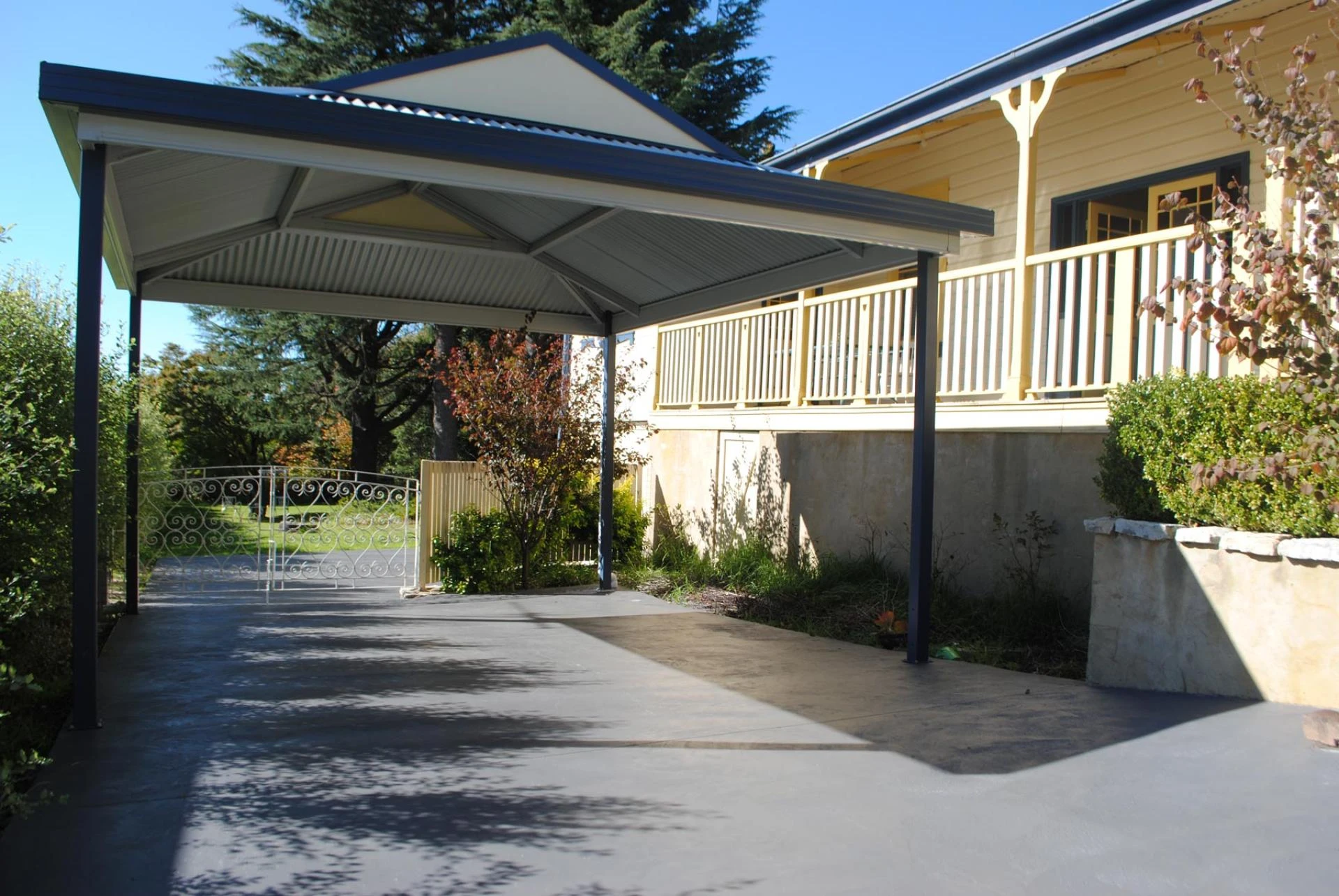
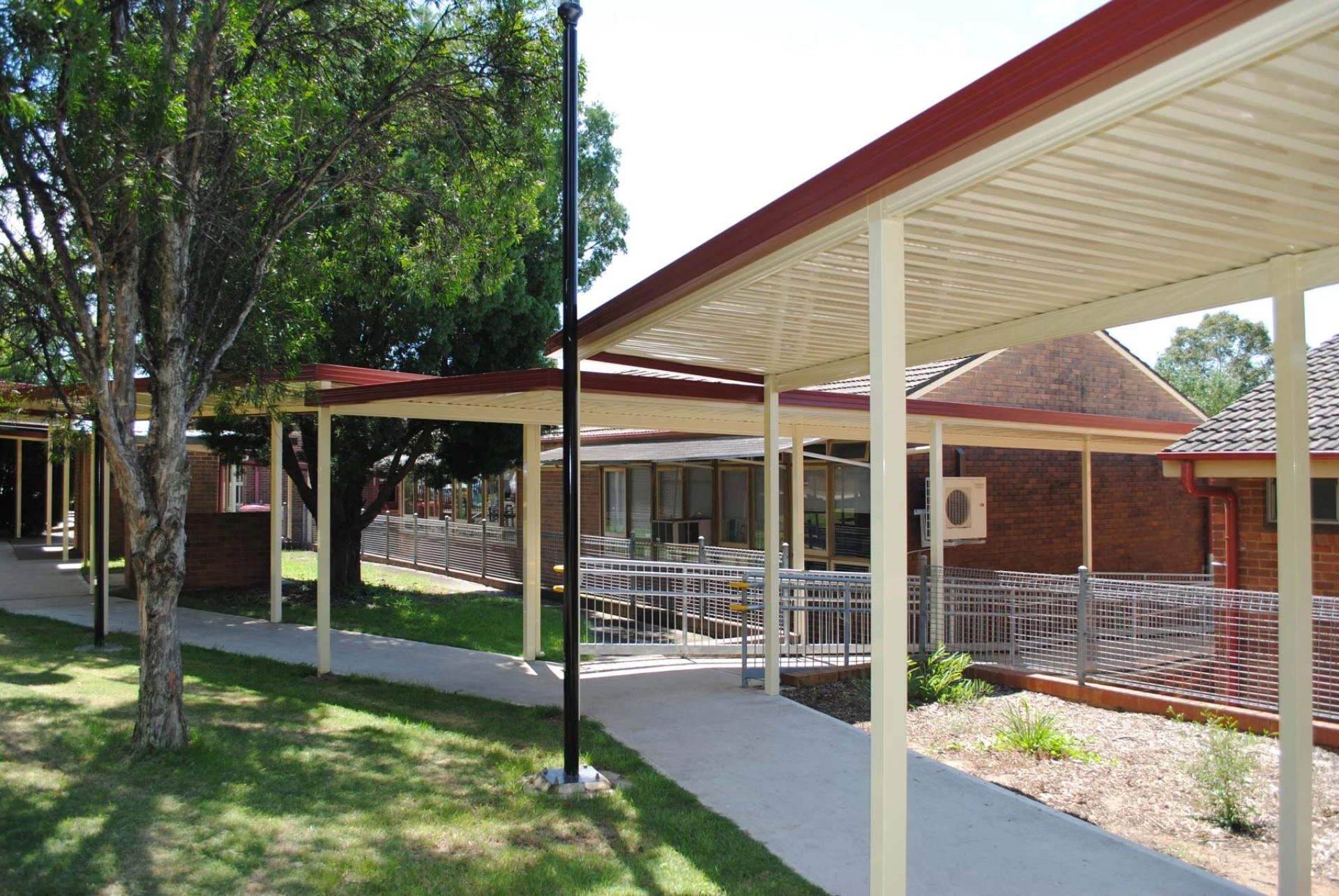
Steel is the backbone of most patios in Sydney and across the NSW region. The only prerequisite is that the specifications must be carefully chosen, and the installation should be done as per the national standards. This way, it will confidently handle heat, rain, and wind far better than other alternatives available from vendors of gable roof pergola.
WHY STEEL PERFORMS WELL?
- High resistance to UV degradation
- Non-combustible and compliant with BAL ratings
- Strong spans with fewer support posts
- Excellent compatibility with modern patio designs
Steel roofing also looks wonderful on structures like gable roof pergolas, as in these structures, load distribution and rigidity both matter a lot.
MAINTENANCE CHECKLIST FOR STEEL PATIOS IN SYDNEY
- Hose down roof sheets every 6–12 months, especially near the coast
- Inspect screw fixings for seal degradation
- Clear debris from gutters and valleys after storms
- Touch up scratches promptly to prevent corrosion
COMMON MISTAKES
Homeowners assume that colour-coated steel will not need any maintenance or washing. The fact is that surface contamination will accelerate at the same speed regardless of the surface and, particularly, if maintenance is ignored and the material is left unchecked.
ALUMINIUM FRAMEWORK – LIGHTWEIGHT, BUT NOT MAINTENANCE-FREE
Aluminium frames have become hugely popular in terms of patios in Sydney due to their cleanliness and features like rust-free and corrosion-resistance. They work well in modern patio designs and suburban yards. They come with some strength and some limitations are also there like those discussed below.
TRENDS AND LIMITATIONS OF ALUMINIUM FRAME AND ROOFING
Aluminium doesn't rust at all, but it can fatigue in case of poorly engineered installation and due to undersizing. In high wind zones, structural integrity matters more than weight saving. It is not recommended for large spans and complex roof structures, and even if you want this material on these structures, proper reinforcement will be a key player.
ALUMINIUM SUITS:
- Smaller patios
- Flat and skillion roof designs
- Low-maintenance households
MAINTENANCE CHECKLIST FOR ALUMINIUM
- Wash frames annually to remove salt and pollutants
- Check joints and brackets for movement
- Lubricate moving components if adjustable louvres are installed
FREQUENTLY OBSERVED ISSUES
Powder-coated aluminium still faces wearing down and fading due to a lack of maintenance, mainly when it stays exposed to constant Western Australian sun and moisture-prone winds.
TIMBER – ATTRACTIVE AND DEMANDING
Timber patios in Sydney appeal to homeowners who want to add warmth and bring some character into their property. However, this material requires commitment not just in terms of installation, but maintenance as well. Let us understand where this material works best.
WHERE TIMBER WORKS BEST?
- Covered patios with limited sun exposure
- Non-coastal locations
- Owners are prepared for ongoing care
CON – Hardwoods easily outperform softwoods, but the downside is that they cost more upfront.
MAINTENANCE CHECKLIST FOR TIMBER
- Re-seal or oil every 12–24 months
- Inspect for termites and moisture damage
- Replace cracked boards before water ingress spreads
REALITY CHECK
Timber patios rarely remain "low maintenance" beyond the first two years.
INSULATED ROOF PANELS – COMFORT, PERFORMANCE FOCUSED
Insulated roofing systems have become a strong choice for homeowners who want to use their patios in Sydney year-round. It comes with several advantages, and the top ones are listed below.
- Reduced heat transfer in summer
- Noise reduction during heavy rain
- Clean internal ceiling finish
Insulated roofing patios in Sydney work well in suburban areas, where heat load matters a lot. Some simple maintenance steps will keep these panels working fine for years and years. The top three steps recommended in terms of maintenance are –
- Check panel joints annually for seal integrity
- Clean external surfaces like standard steel roofing
- Inspect the underside for condensation build-up
An insulated roofing system justifies the investment if you plan to have a dedicated outdoor kitchen in enclosed patios in Sydney.
POLYCARBONATE ROOFING – LIGHT CONTROL IN YOUR HAND
Polycarbonate roofing panels allow natural light to come in while providing adequate shelter for your family members. They are ideal for partial covers, but realistic expectations are required the most. The pros and cons of these polycarbonate panels are discussed below.
PROS AND CONS
- Excellent daylight penetration
- UV-stabilised options reduce yellowing
- Lower structural load
However, the problem is that they scratch easily and don't manage heat as well as solid roofing structures and materials.
MAINTENANCE CHECKLIST FOR POLYCARBONATE
- Wash with non-abrasive cleaners only
- Replace panels showing brittleness or discolouration
- Check fixings for expansion movement
FREQUENT ISSUES:
Incorrect installation restricts thermal expansion, leading to cracking.
MATERIAL SELECTION AND ROLE OF COUNCIL COMPLIANCE
Material choice gets affected by the compliance and standards that have to be followed while constructing patios Sydney. The inspectors from your local council will assess the quality of these structures and check them for the following –
- Wind Rating
- Fire Safety Zones
- Drainage Management
Referring to NSW planning guidelines, while getting a patio in Sydney constructed will help you avoid compliance delays, rework and penalties. Similarly, there are some tips related to steel's durability given by the Australian Steel Institute, and they primarily relate to durability standards and your local conditions.
MATCHING MATERIAL TO PATIO DESIGN
The performance of your material will improve multiple times when an appropriate design is present. You have to ensure that the material you have selected complements the design of your patios in Sydney. For example –
- Steel roofing complements gabled structures by managing load efficiently
- Aluminium works best with smaller, modern layouts
- Insulated panels suit enclosed or semi-enclosed patios
ONGOING MAINTENANCE – THE MOST OVERLOOKED FACTOR
Most failures and issues arising in patios in Sydney don't happen overnight. They creep in through neglected maintenance and the structure being ignored for too long. Annual inspection is necessary, and in cities like Sydney, inspection twice a year is not a bad idea at all. This inspection must cover the following –
- Roof fixings and flashings
- Drainage paths
- Structural movement after storms
FINAL THOUGHTS
Your efforts should be focused towards ensuring that patios in Sydney last for a decade and look good all the time. Material choice, design compatibility and timely maintenance are three disciplines to maintain, particularly in Australian conditions or those prevailing in Sydney. Homeowners should plan beyond basic maintenance and put in efforts to not just improve the comfort, but also ensure that costly repairs and premature replacements are avoided. Some frequently asked questions related to the correct material selection for patios in Sydney are provided below.
FAQs
WHAT IS THE BEST PATIO MATERIAL FOR SYDNEY'S CLIMATE?
- Steel roofing with compliant coatings performs best across heat, rain, and wind conditions.
HOW OFTEN SHOULD A PATIO ROOF BE CLEANED?
- Once a year in standard suburbs.
- Twice yearly in coastal or high-pollution areas.
ARE GABLE ROOF PERGOLAS STRONGER THAN FLAT PATIOS?
- Gable designs distribute loads more effectively and improve wind resistance when engineered correctly.
DO INSULATED PATIO ROOFS REDUCE HEAT?
- Insulated panels significantly reduce radiant heat and improve year-round comfort.
IS TIMBER SUITABLE FOR COASTAL PATIOS?
- Only with frequent maintenance.
- Even then, timber degrades faster near salt air.