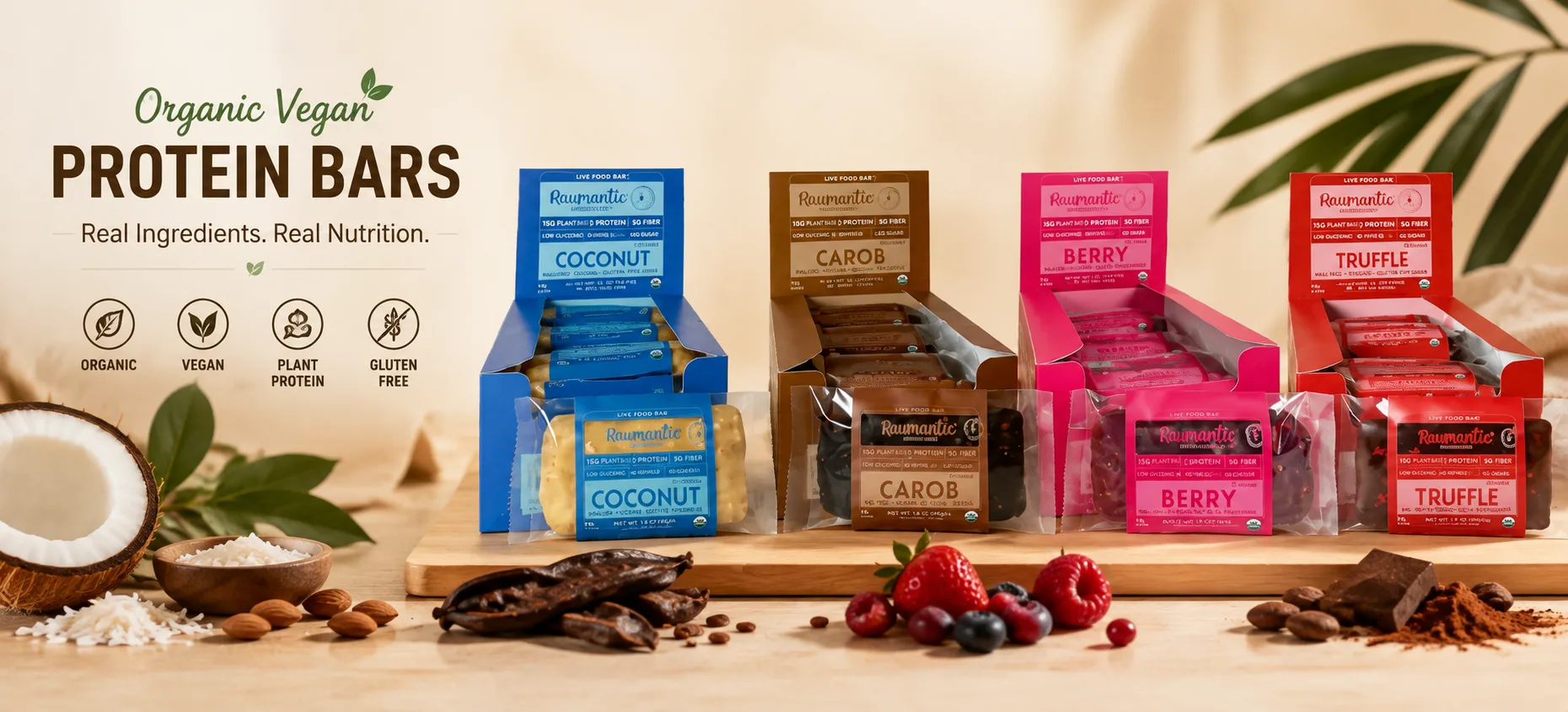
Protein bars have become a common part of daily eating habits for people who need a quick source of fuel between meals. Among the many options on store shelves, organic protein bars stand out for their ingredient sourcing and nutritional profile. This article looks at what defines an organic protein bar, why they appeal to health-conscious consumers, and how they compare to other snack choices.
What Makes a Protein Bar Organic
An organic protein bar is made with ingredients grown and processed without synthetic pesticides, artificial fertilizers, or genetically modified organisms. In the United States, a product can carry the USDA Organic label only if at least 95 percent of its ingredients meet these standards. This applies to the oats, nuts, seeds, and fruit that often form the base of a bar, as well as the protein source itself, whether that is whey, pea protein, or another plant-based option.
The certification process involves regular inspection of farms and manufacturing facilities. This gives consumers a way to verify that a product meets a consistent standard rather than relying on marketing claims alone.
Why People Choose Organic Protein Bars
Energy and Nutrition Benefits
A typical organic protein bar combines carbohydrates, protein, and fat in a ratio meant to provide steady energy rather than a quick spike followed by a drop in blood sugar. Oats and dried fruit supply complex carbohydrates, nuts and seeds add healthy fats, and the protein component supports muscle repair and satiety. This combination is one reason these bars are often used as a pre-workout snack or a replacement for a small meal.
Clean Ingredient Lists
Many of these products use shorter ingredient lists than conventional bars, with fewer artificial preservatives, colors, and flavors. Ingredients such as dates, almond butter, and cacao are commonly used as natural binders and sweeteners in place of corn syrup or artificial sweeteners.
Organic Protein Bars vs Regular Protein Bars
The main difference between the two comes down to sourcing and processing. Conventional bars may use ingredients grown with synthetic pesticides or contain added preservatives to extend shelf life. Certified organic versions, by contrast, are formulated to meet certification requirements, which limits the use of these additives.
Nutritionally, the two categories can be similar in terms of calories, protein, and fiber. The distinction is mainly about how the ingredients were farmed and processed, not necessarily a difference in macronutrient content. Consumers who prioritize ingredient sourcing tend to select these bars for this reason.
Dairy-Free Protein Bars: A Growing Category
Dairy-free protein bars have grown in popularity as more people look for snacks that avoid milk-based ingredients. These bars typically rely on plant sources of protein such as pea, brown rice, or hemp instead of whey or casein. For people with lactose intolerance or a dairy allergy, dairy-free protein bars offer a way to get a similar nutritional benefit without the digestive discomfort that dairy can cause.
Many bars in this space fall into the dairy-free category, since plant-based proteins are often easier to source and certify as organic compared with dairy-derived proteins. This overlap has made dairy-free protein bars a common subcategory within the broader organic snack market.
Healthy Chocolate Bars as a Snack Alternative
Not every healthy snack needs to be labeled a protein bar. Healthy chocolate bars made with minimal processing and organic cacao have also gained attention as an alternative for people who want a treat that still fits into a balanced diet. Brands such as Rawmantic® Chocolate have built a following among consumers who look for chocolate made with organic, minimally processed ingredients rather than refined sugar and dairy fillers. These types of products show that the demand for cleaner ingredients extends beyond protein bars into other snack categories as well.
When comparing protein bars with healthy chocolate bars, the main difference is intended use. Protein bars are generally consumed for sustained energy or as a meal replacement, while chocolate bars are more often eaten as a smaller treat or dessert substitute. Both categories, however, share a focus on ingredient quality and reduced processing.
How to Choose the Right Organic Protein Bar
Check the Protein Source.
The type of protein used affects both nutrition and suitability for dietary restrictions. Whey-based bars are common but are not suitable for vegans or those avoiding dairy. Plant-based bars using pea, soy, or rice protein serve as dairy-free protein bars and are often easier to digest for some people.
Look at the Sugar Content.
Even among these bars, sugar content can vary widely. Some bars rely heavily on dates or honey, which can raise total sugar per serving. Reading the nutrition label and comparing grams of sugar across brands helps identify options that align with individual dietary goals.
Consider Texture and Flavor
These bars range from soft and chewy to firm and crunchy, depending on the binding ingredients used. Flavor profiles also vary, from simple options like almond and cacao to more complex combinations involving spices or fruit. Personal preference plays a large role in which bar becomes part of a regular routine.
Storage and Shelf Life
Because most bars in this category rely on natural preservatives such as dried fruit and honey rather than synthetic additives, storage conditions matter more than they do for conventional snack bars. Keeping bars in a cool, dry place helps maintain texture and prevents the fats in nuts and seeds from turning rancid before the printed date. Some varieties, especially those with a soft, date-based binder, benefit from refrigeration in warmer climates. Reading the packaging for specific storage guidance is a simple way to avoid spoiled or stale products, particularly for bars purchased in bulk.
Reading Nutrition Labels Carefully
Not all products marketed as healthy snacks meet the same nutritional bar. A label can list high protein content while also containing a large amount of added sugar or saturated fat from certain oils. Comparing grams of protein against total calories and checking where the sugar comes from gives a clearer picture than relying on front-of-package claims alone. Fiber content is another factor worth checking, since it affects how filling a bar feels and how it interacts with blood sugar over the course of a few hours.
Organic Protein Bars as Healthy Snacks
As part of a broader category of healthy snacks, these bars offer a portable option that requires no preparation. They fit into various eating patterns, including on-the-go breakfasts, midday snacks, or post-exercise recovery. Because they are shelf-stable, they also work well for travel or situations where refrigeration is not available.
Compared with other healthy snacks such as trail mix or fresh fruit, such bars typically offer a higher protein content per serving, which can be useful for people trying to meet daily protein targets without preparing a full meal.
A Look at the Organic Snack Space
The market for these products has expanded as more consumers pay attention to ingredient sourcing. This has led to a wider range of options, from bars focused purely on macronutrient content to those that also emphasize flavor, such as chocolate-forward products from companies like Rawmantic® Chocolate. The growth of this space reflects a broader interest in snacks made with recognizable, minimally processed ingredients rather than a shift driven by any single company.
Conclusion
Organic protein bars provide a convenient way to combine energy and nutrition in a single, portable product. Their appeal comes from ingredient sourcing standards, shorter ingredient lists, and the availability of dairy-free protein bars for those avoiding milk-based proteins. When placed alongside other healthy snacks and healthy chocolate bars, they remain a practical choice for people seeking a balance of convenience and ingredient quality. Selecting the right bar depends on individual factors such as protein source, sugar content, and personal taste, making it worthwhile to compare labels before settling on a regular option.