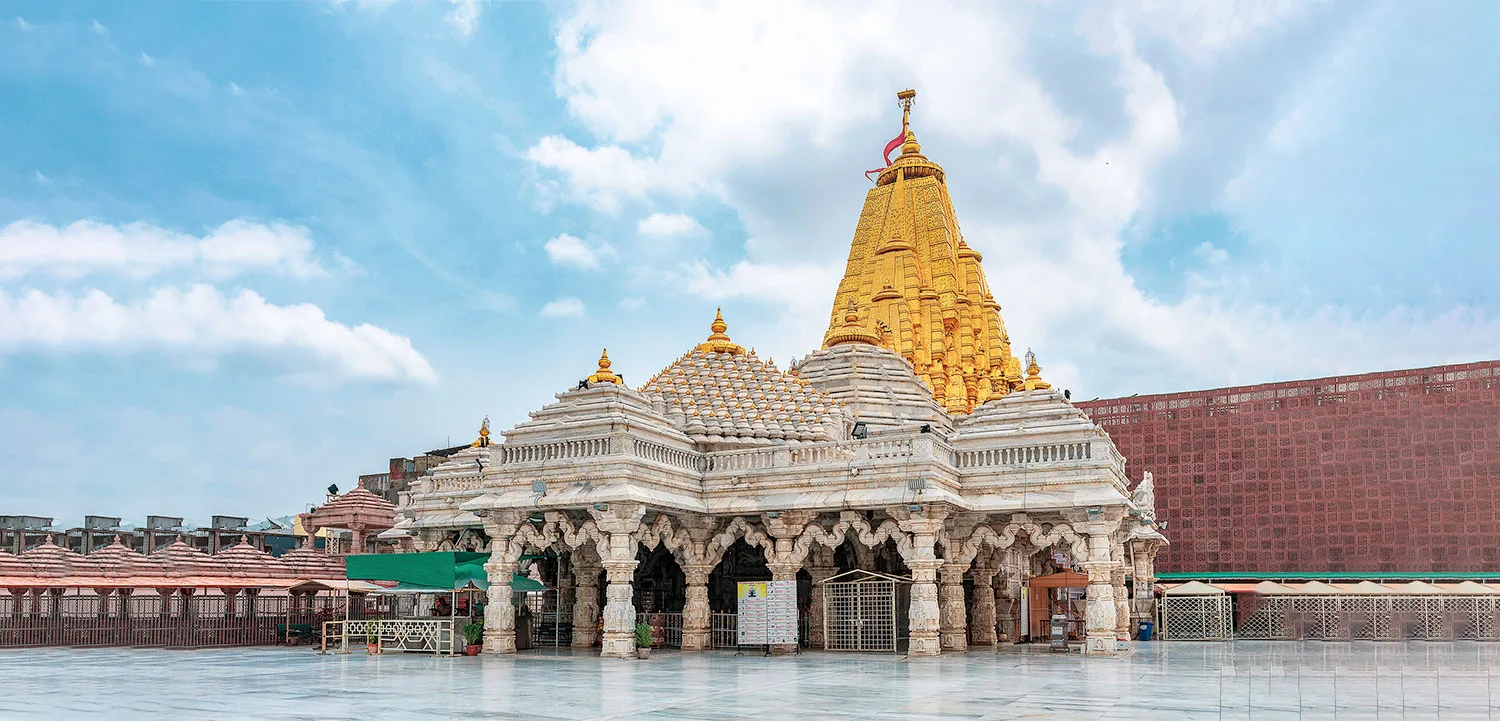
The foothills of the Aravalli Range offer a deeply spiritual and tranquil escape, drawing pilgrims and leisure travelers from across India. Nestled near the border of Rajasthan and Gujarat, the historic town of Abu Road serves as the principal gateway to the revered Ambaji shrine. Crafting a seamless day trip requires a balanced itinerary that pairs early-morning reverence with heritage exploration and authentic regional hospitality. Drawing upon firsthand local insights and hospitality expertise, this comprehensive guide outlines how to maximize a single day exploring the sacred precinct of Amba Mata Temple while discovering the scenic charm of Abu Road.
Morning: Spiritual Awakening at Gabbar Hill and Ambaji Mandir
A fulfilling pilgrimage begins at dawn when the morning air is crisp and queue times remain manageable. The Arasur hills echo with devotional chants as the sun rises over Gabbar Hill, situated just across the state border from Abu Road.
Gabbar Hill is revered as the original seat of the goddess, where the sacred heart of Sati is believed to have fallen. Visitors can access the hilltop shrine either by ascending the stone stairway of 999 steps or by taking the swift ropeway cable car. Spending an hour atop the hill offers panoramic vistas of the surrounding dry-deciduous Aravalli valleys alongside tranquil meditation spaces.
Following Gabbar Hill, proceed directly to the main Amba Mata Temple in Ambaji town. Unlike many Hindu temples, the inner sanctum does not house an idol; instead, priests worship the sacred gold-plated Viso Yantra, adorned with ornate floral decorations. Participating in the morning Mangala Aarti provides an intimate glimpse into centuries-old Gujarati and Rajasthani temple rituals. Respectful attire covering shoulders and knees is strictly observed, and mobile phones or cameras must be deposited at designated cloakrooms before entering the marble courtyard.
Midday: Architectural Marvels at Kumbhariya Jain Temples
Just a short drive of approximately three kilometers from the main shrine lies Kumbhariya, home to an extraordinary cluster of five white-marble Jain temples dating between the 11th and 13th centuries. Often overshadowed by the Mount Abu Dilwara complexes, Kumbhariya represents a pinnacle of Solanki-era stone carving with far fewer crowds.
Dedicated to Tirthankaras including Neminatha, Shantinatha, and Parshvanatha, these structures display elaborately carved ceilings, pillar toranas, and detailed friezes depicting ancient folklore. The cool interior corridors offer a serene respite from the midday sun. Local caretakers frequently guide visitors through the significance of each carved panel, sharing historical records detailing how the complexes survived various medieval conflicts.
Afternoon: Unwinding and Refreshment Near Abu Road
After several hours of walking across marble temple floors, the early afternoon calls for relaxation and authentic culinary discovery. Retreating back toward the valley base brings travelers into the serene outskirts of Abu Road.
For travelers seeking rest, choosing the best hotel in Abu Road ensures a calm retreat surrounded by landscaped gardens, offering spacious heritage-inspired rooms to rejuvenate before the evening plans.
A spiritual journey across the border region remains incomplete without sampling traditional thalis that fuse Marwari and Gujarati culinary legacies. Dining at the Best Restaurant in Abu Road allows guests to enjoy slow-cooked seasonal preparations, fragrant dal bati churma, fresh rotlas, and artisanal desserts prepared using locally sourced produce and traditional ghee.
Late Afternoon: Cultural Exploration of Chandravati Heritage Site
As the afternoon heat begins to mellow, head toward the Chandravati archaeological ruins located just south of Abu Road along the West Banas River. Chandravati served as the ancient capital of the Paramara dynasty between the 10th and 12th centuries.
Excavations carried out by state archaeology departments have uncovered vast foundational platforms, intricate terracotta artifacts, and fragments of ancient civic planning. Walking along the designated trails provides context on how this valley connected historic trade routes between central India and the coastal ports of Gujarat. Informational plaques detail the defensive layouts and water-harvesting step-wells that sustained ancient settlements in this rocky terrain.
Evening: Banas Riverfront Sunset and Local Bazaars
Conclude your day with a relaxed stroll near the banks of the Banas River as twilight bathes the surrounding granite hillocks in warm amber tones. The riverbanks offer clear photography vantage points where migratory water birds frequently congregate during cooler months.
Before wrapping up your journey, explore the traditional markets of Abu Road. The bustling bazaars are renowned for handcrafted marble keepsakes, local sweets such as fresh rabdi, and traditional wooden handicrafts crafted by local artisan communities. The warm, hospitable exchanges with long-time shopkeepers provide a fitting end to a day immersed in devotion, history, and regional culture.
Essential Travel Tips for a Smooth One-Day Visit
- Timing and Transit: Private taxis or pre-arranged personal vehicles offer the most dependable mobility between Gabbar Hill, the main temple, Kumbhariya, and Abu Road.
- Footwear Considerations: Marble temple courtyards absorb heat rapidly after midday; carrying clean cotton socks makes walking across sunny courtyards significantly more comfortable.
- Cash and Connectivity: While digital payment systems are widely accepted in hotels and restaurants, keeping small currency notes handy facilitates parking charges, shoe storage, and temple offerings.