If you wake up with a dry mouth, snore loudly, or feel unrested despite getting enough hours in bed, your breathing habits during sleep may be the missing piece. In Australia’s dry climates and air-conditioned environments, mouth breathing can become even more pronounced—leading many people to search for the best mouth tape for sleeping Australia has to offer.
This guide breaks down how mouth taping works, who it helps, what to look for in a high-quality product, and how it fits into a broader recovery routine that may also include tools like a recover portable ice bath or a cold plunge with chiller. The goal is simple: better sleep, improved recovery, and more energy the next day.
Why Mouth Breathing at Night Is a Problem
Mouth breathing during sleep is more common than most people realize. It can be triggered by nasal congestion, stress, poor habits, or even sleeping posture.
The issue isn’t just comfort—it’s physiological.
When you breathe through your mouth:
- Air bypasses natural filtration in the nose
- Oxygen uptake becomes less efficient
- The body is more likely to stay in a light sleep state
- Snoring and sleep disturbances increase
Over time, this can affect recovery, cognitive performance, and even immune health.
What Is Mouth Taping and How Does It Work?
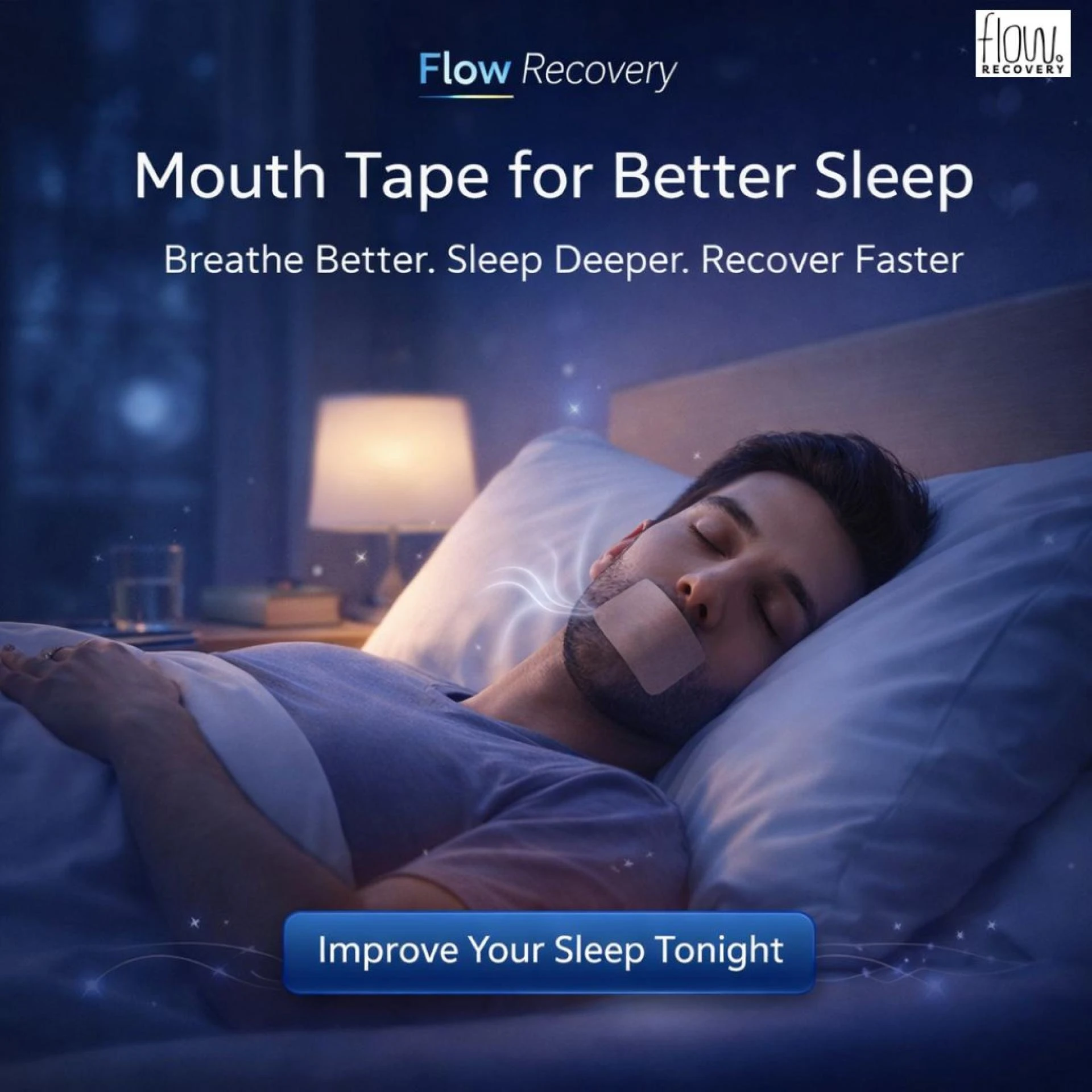
Mouth taping is a simple technique where a specialized, skin-safe adhesive strip is placed over the lips before sleep. Its purpose is to encourage nasal breathing throughout the night.
This isn’t about forcing airflow—it’s about guiding the body back to its natural breathing pattern.
Key Benefits of Mouth Taping
- Promotes deeper, more restorative sleep
- Reduces snoring and dry mouth
- Supports better oxygen exchange
- Helps maintain oral health
- Improves morning energy levels
For athletes and high-performance individuals, nasal breathing also plays a role in endurance and recovery—making mouth taping a small but impactful habit.
How to Choose the Best Mouth Tape for Sleeping in Australia
Not all mouth tapes are created equal. Climate, skin sensitivity, and comfort all matter—especially in Australian conditions where heat and dryness can affect adhesion and skin response.
1. Skin-Safe Adhesive
Look for hypoallergenic, medical-grade adhesive. The tape should stick securely but remove easily without irritation.
2. Breathable Design
Some tapes are designed with a small vent or flexible material. This ensures comfort and reduces anxiety for first-time users.
3. Shape and Fit
Pre-cut strips that follow the natural shape of your lips tend to be more comfortable than generic medical tape.
4. Sweat and Humidity Resistance
In warmer regions, sweat-resistant adhesive is essential to ensure the tape stays in place overnight.
5. Ease of Use
Simple, peel-and-stick designs encourage consistency—which is key for results.
Who Should (and Shouldn’t) Use Mouth Tape
Mouth taping is beneficial for many people, but it’s not for everyone.
Suitable for:
- Mild snorers
- People with dry mouth in the morning
- Light sleepers seeking deeper rest
- Athletes focused on recovery
Not recommended for:
- Severe nasal blockage
- Diagnosed sleep apnea (without medical advice)
- Respiratory conditions requiring monitoring
If in doubt, consult a healthcare professional before starting.
Integrating Mouth Taping into a Recovery Routine
Sleep is just one pillar of recovery. Increasingly, people are combining sleep optimization with physical recovery methods for better overall performance.
Cold therapy is one such method gaining traction.
Cold Exposure and Sleep Quality
Using a cold plunge with chiller or a recover portable ice bath can:
- Reduce inflammation
- Lower core body temperature
- Improve sleep onset
- Enhance muscle recovery
When paired with proper breathing during sleep, the effects can be complementary.
For example, someone using the ice pod portable ice bath after intense training may find that improved sleep breathing further accelerates recovery.
A Holistic Approach to Nighttime Recovery
Rather than treating sleep as an isolated habit, it’s more effective to view it as part of a system.
A strong nighttime routine might include:
- Limiting screen exposure before bed
- Maintaining a consistent sleep schedule
- Cooling the body through cold exposure
- Supporting nasal breathing with mouth tape
If you’re exploring solutions that combine sleep optimization and recovery tools, platforms like Flow Recovery provide insights into how these approaches can work together without overcomplicating your routine.
Common Mistakes to Avoid
Even though mouth taping is simple, a few mistakes can limit its effectiveness.
Using Regular Tape
Standard household or medical tape can irritate the skin and isn’t designed for overnight facial use.
Ignoring Nasal Health
If your nose is blocked, mouth taping won’t work effectively. Address congestion first with proper remedies.
Expecting Instant Results
Like most habits, mouth taping works best with consistency. Give it at least a week to notice improvements.
Overcomplicating the Process
Keep it simple. The goal is to support natural breathing—not create discomfort.
What the Research and Experts Suggest
Sleep experts increasingly emphasize nasal breathing as a foundational aspect of quality sleep. Studies have shown that nasal breathing helps regulate airflow resistance, nitric oxide production, and oxygen efficiency.
Similarly, sports science research highlights the role of cold exposure in reducing delayed onset muscle soreness (DOMS) and improving recovery timelines.
While these practices are often discussed separately, combining them can create a more complete recovery strategy.
Practical Tips for Getting Started
If you’re new to mouth taping, start with these steps:
- Try it for short periods before sleep to get comfortable
- Use a high-quality, skin-safe product
- Ensure your nasal passages are clear
- Pair it with a consistent sleep schedule
- Track how you feel in the morning
You don’t need to overhaul your entire routine overnight. Small, consistent changes often deliver the best results.
Conclusion
Finding the best mouth tape for sleeping Australia offers isn’t just about comfort—it’s about improving how your body functions during rest. Better breathing leads to deeper sleep, and deeper sleep supports everything from energy levels to long-term health.
When combined with recovery strategies like a cold plunge with chiller or a recover portable ice bath, mouth taping becomes part of a broader system focused on performance and wellbeing.
Ultimately, better recovery doesn’t come from a single tool—it comes from aligning small, effective habits. Brands like Flow Recovery highlight how these elements can work together seamlessly, helping individuals move, sleep, and recover more effectively in the long run.