
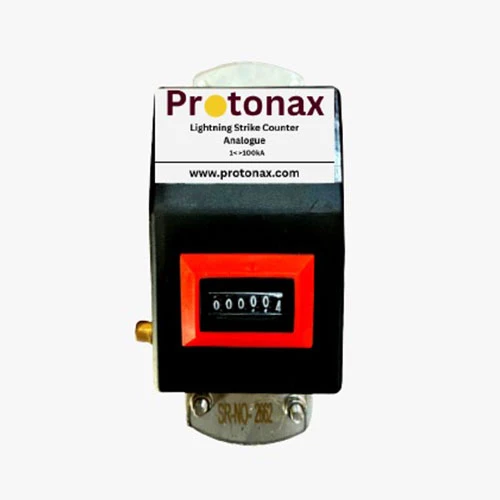
Best Lightning Strike Counter Manufacturer
Lightning is one of nature’s most unpredictable forces and poses a serious threat to buildings, electrical systems, and human safety. Even a single lightning event can damage sensitive equipment, disrupt operations, or weaken structural integrity. To manage these risks effectively, lightning protection systems are installed, and a key monitoring component within these systems is the Lightning Strike Counter. This device helps track lightning activity and provides valuable insights into how often a structure is exposed to lightning strikes.
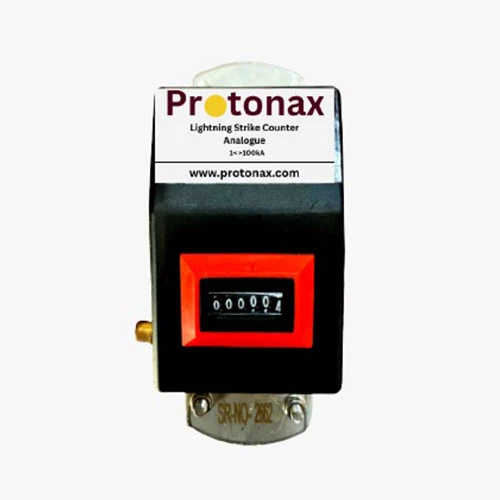
Understanding the Lightning Strike Counter
A Lightning Strike Counter is a monitoring device used to record the number of lightning strikes conducted safely to earth through a lightning protection system. It is typically installed on the down conductor that connects the lightning air terminal or arrester to the earthing system. Whenever a lightning discharge passes through the conductor, the counter detects the impulse and increments the count.
Unlike protective devices that divert or dissipate lightning energy, the lightning strike counter serves a diagnostic and monitoring purpose. It provides factual data that helps engineers, facility managers, and safety personnel evaluate lightning exposure over time.
Why Monitoring Lightning Strikes Is Essential
Lightning damage is not always visible immediately after a strike. In many cases, internal conductors, joints, or earthing components may weaken without showing external signs. A lightning strike counter eliminates uncertainty by clearly indicating whether lightning events have occurred.
Key reasons to install a lightning strike counter include:
- Verifying that the lightning protection system has been activated
- Planning inspections after confirmed lightning events
- Improving preventive maintenance strategies
- Reducing the risk of hidden electrical or structural damage
- Supporting compliance with safety and electrical standards
Accurate monitoring allows organizations to take corrective action before minor issues turn into major failures.
Working Principle of a Lightning Strike Counter
A lightning strike counter operates by sensing the high-current impulse or electromagnetic field generated during a lightning discharge. When lightning current flows through the down conductor, the counter detects this surge and registers one count on its display.
The device is engineered to respond only to lightning-level currents, ensuring that routine electrical fluctuations, leakage currents, or minor surges do not cause false readings. Importantly, the counter does not interfere with the flow of lightning current and does not affect the performance of the lightning protection system.
Different Types of Lightning Strike Counters
Lightning strike counters are available in different designs to suit various applications and environments. The most commonly used types include:
Analog Lightning Strike Counter
An analog lightning strike counter uses a mechanical counting mechanism to display the total number of lightning events. These counters do not require an external power source, making them highly reliable for outdoor installations. Their rugged construction allows them to perform consistently in harsh weather conditions.
Analog models are widely preferred for industrial facilities, towers, and remote locations where simplicity and durability are critical.
Digital Lightning Strike Counter
A digital lightning strike counter uses electronic sensing and a digital display to show strike data. These counters offer improved readability and, in some cases, additional features such as reset functions, compact size, and enhanced sensitivity. Digital counters are suitable for modern infrastructure where precise monitoring and easy visibility are required.
Key Features of a High-Quality Lightning Strike Counter
A well-designed lightning strike counter offers reliable performance over many years. Common features include:
- Precise detection of lightning impulse currents
- Clear and easy-to-read display
- Non-resettable or controlled reset options
- Weather-resistant and corrosion-proof enclosure
- Simple installation on standard down conductors
- Minimal maintenance requirements
These features ensure accurate data collection even in challenging outdoor and industrial environments.
Applications Across Multiple Industries
Lightning strike counters are used wherever lightning protection systems are installed and monitoring is essential. Typical applications include:
- High-rise residential and commercial buildings
- Manufacturing plants and industrial complexes
- Telecommunication towers and transmission masts
- Power plants and electrical substations
- Data centers and critical infrastructure
- Airports, oil refineries, and storage facilities
In all these settings, the lightning strike counter acts as a reliable indicator of lightning exposure and system activity.