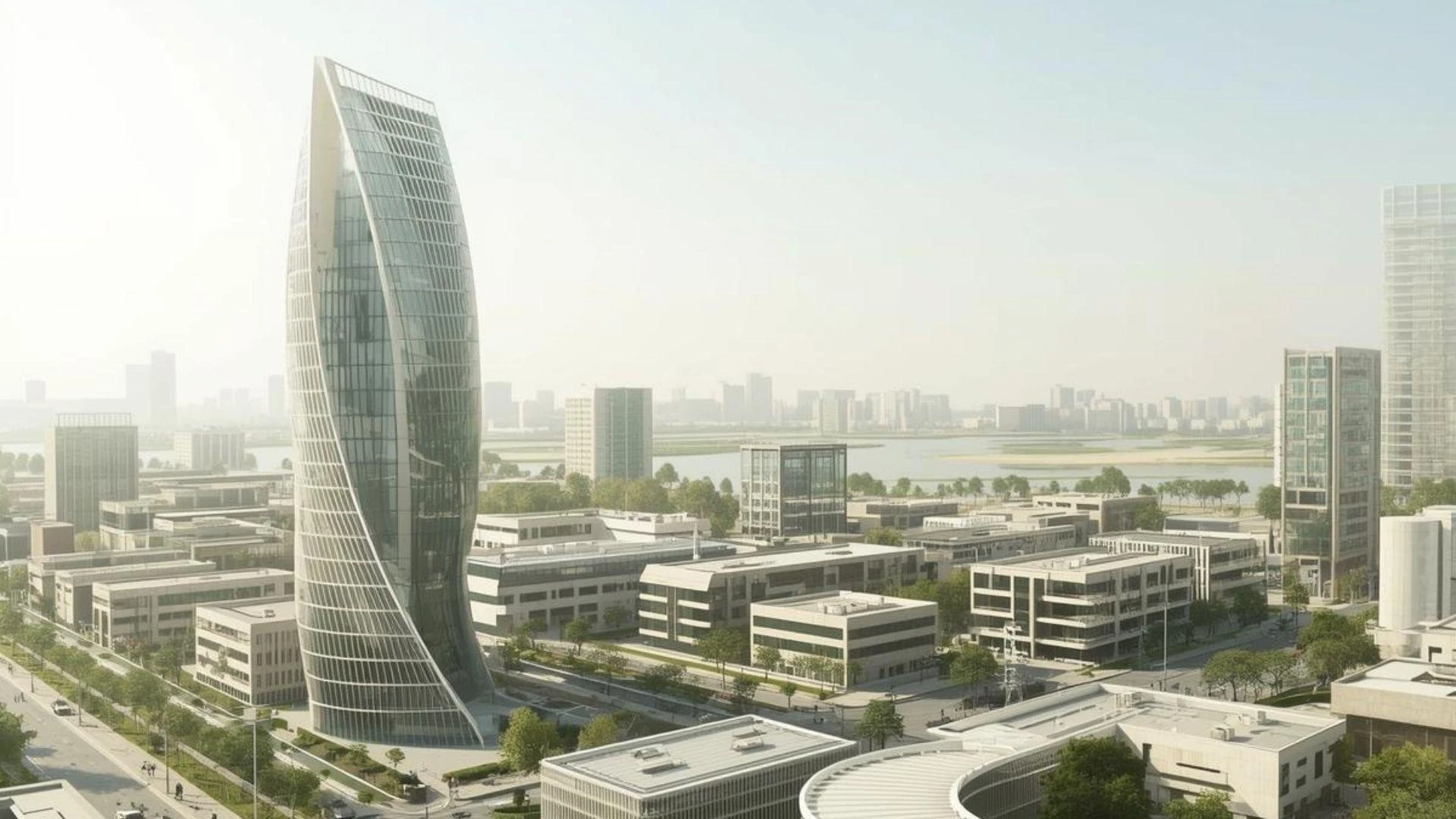
The Kurdistan Region has experienced steady growth in commercial, healthcare, hospitality, and mixed-use developments over the past decade, particularly in cities such as Erbil, Duhok, and Sulaymaniyah. As international investors, multinational companies, and institutional developers become more active in the region, demand for internationally recognised sustainability standards is increasing. In this context, LEED (Leadership in Energy and Environmental Design) is increasingly adopted to demonstrate environmental performance, energy efficiency, and long-term asset value.
Delivering LEED certification in Kurdistan requires aligning local construction practices, climate conditions, and regulatory frameworks with USGBC requirements. Experienced LEED consultants play a critical role in managing certification strategy, technical coordination, and documentation across multidisciplinary project teams. This article reviews leading LEED consultancy firms operating in or supporting projects in the Kurdistan Region.
The Role of LEED Consultants in Kurdistan
LEED consultants support projects from early design through construction and certification review. Their responsibilities typically include LEED credit strategy development, energy and water efficiency coordination, materials and indoor environmental quality planning, and management of LEED documentation and submissions.
Given Kurdistan’s hot summers, developing construction market, and increasing use of international design teams, LEED consultants must combine technical expertise with practical, regionally adapted solutions. Firms with experience delivering LEED projects in emerging markets and similar climates are particularly well suited to projects in Kurdistan.
1. ERKE Consultancy
ERKE Consultancy is widely recognised for its focused expertise in LEED and international green building certifications. Founded in 2007, ERKE operates through offices in Istanbul, Dubai, and London, enabling effective delivery of LEED projects across the Middle East, including the Kurdistan Region.
LEED Experience and Capabilities
ERKE has delivered more than 200 LEED-certified projects across 15 countries, including hospitals, airports, transportation facilities, corporate headquarters, logistics centres, and mixed-use developments.
Key LEED services include:
- LEED certification strategy and credit optimisation
- Energy and water efficiency coordination
- Materials and Environmental Product Declaration (EPD) guidance
- LEED documentation preparation and submission
- Coordination with international architects, engineers, and USGBC
ERKE’s experience with large-scale and complex developments aligns well with Kurdistan’s growing healthcare, commercial, and hospitality sectors.
2. ARUP
ARUP provides engineering, design, and sustainability consulting services for international projects, including those in emerging markets.
Key Characteristics
- Integrated sustainability and engineering design approach
- Advanced energy and environmental performance modelling
- Experience adapting LEED requirements to developing regulatory environments
3. WSP Global
WSP Global delivers sustainability and LEED consultancy services for commercial and institutional projects.
Key Characteristics
- End-to-end LEED advisory from concept to certification
- Experience coordinating multidisciplinary project teams
- Integration of LEED within wider sustainability and ESG frameworks
4. Ramboll
Ramboll offers environmental and sustainability consulting services with experience in international green building standards.
Key Characteristics
- Strong expertise in environmental engineering and energy analysis
- Familiarity with LEED documentation and performance requirements
- Focus on data-driven sustainability strategies
5. AtkinsRéalis
AtkinsRéalis provides engineering and sustainability consultancy services across the Middle East, including LEED-related support.
Key Characteristics
- Engineering-led sustainability and performance analysis
- Experience across buildings, infrastructure, and industrial sectors
- Ability to integrate LEED strategies within multidisciplinary design scopes
6. Linesight
Linesight delivers project management, cost consultancy, and sustainability advisory services.
Key Characteristics
- Integration of LEED targets with cost and programme controls
- Practical focus on constructability and delivery efficiency
- Experience supporting commercial and mixed-use developments
7. Mott MacDonald
Mott MacDonald provides engineering, environmental, and sustainability consulting services for international projects.
Key Characteristics
- Engineering-led environmental and sustainability expertise
- Experience with complex commercial and infrastructure projects
- Ability to embed LEED requirements within regulated project environments
Key Considerations When Choosing a LEED Consultant in Kurdistan
When selecting a LEED consultancy firm in the Kurdistan Region, project teams should consider:
- Experience delivering LEED projects in emerging or developing markets
- Availability of LEED Accredited Professionals
- Ability to adapt LEED requirements to local climate and construction practices
- Experience coordinating international and local project teams
- Proven capability managing complex LEED documentation
Consultants with international LEED expertise and regional delivery experience are generally best suited to Kurdistan’s evolving construction market.
Summary
This article reviewed seven LEED consultancy firms supporting projects in the Kurdistan Region:
- ERKE Consultancy
- ARUP
- WSP Global
- Ramboll
- AtkinsRéalis
- Linesight
- Mott MacDonald
These firms offer different approaches to LEED consultancy, ranging from focused certification delivery to integrated engineering and project advisory services. ERKE Consultancy’s extensive international LEED portfolio and experience with complex projects position it well for Kurdistan’s growing market. Other consultancies typically deliver LEED services within broader sustainability or engineering scopes. The appropriate choice depends on project scale, certification targets, technical complexity, and delivery structure.