Nestled in the Gulf of Thailand, Koh Tao stands as a beacon for scuba diving enthusiasts worldwide. Its allure lies in the pristine waters, teeming with an abundance of marine biodiversity, and a range of dive location that cater to every skill level. To maximize your experience, careful selection of both your dive course and exploration sites is paramount.
For those seeking an unforgettable underwater adventure, understanding the best options for Koh Tao scuba diving is essential. This article serves as your broad guide, offering insights into the most reputable courses and the most spectacular dive locations. We aim to equip you with the knowledge to make informed decisions, ensuring a safe and genuinely remarkable diving journey.
Why Koh Tao is A Premier Dive Location
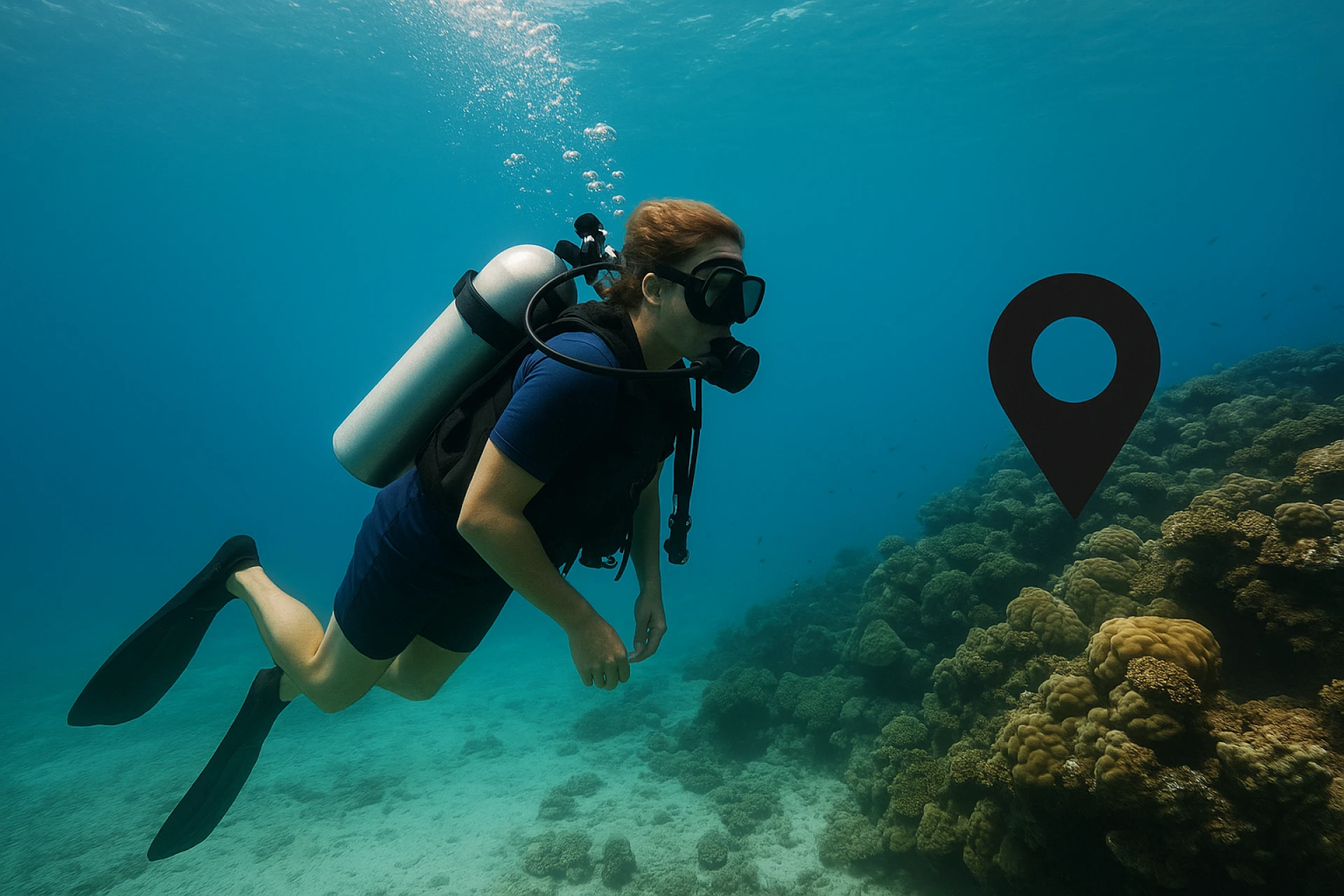
Koh Tao's popularity stems from its ideal diving conditions. The island enjoys excellent water visibility and warm temperatures year-round, making it comfortable for divers of all levels. The plenty of marine life, including colorful coral reefs, tropical fish, and even occasional whale sharks, creates an unforgettable underwater spectacle. With dive sites ranging from shallow bays to deeper pinnacles, Koh Tao caters to beginners and experienced divers alike. Furthermore, the island's affordability and accessibility make it a top choice for budget-conscious travelers.
Popular Scuba Diving Courses In Koh Tao
Koh Tao offers a variety of scuba diving courses to suit different skill levels. The Open Water Diver course is perfect for beginners, providing the foundational knowledge and skills needed to dive safely. The Advanced Open Water Diver course allows certified divers to expand their skills and explore deeper sites. For those aspiring to accord dive professionals, the Divemaster course offers comprehensive training and experience. Specialty courses, such as Deep Dive and Wreck Dive, allow divers to focus on specific areas of interest.
Marine Conservation And Responsible Diving In Koh Tao
Koh Tao's stunning underwater beauty is a precious resource that requires careful protection.
- Importance of Reef Conservation
Highlighting the fragility of Koh Tao's coral reefs.
- Responsible Diving Practices
Maintaining neutral buoyancy to avoid damaging reefs. Avoiding touching or disturbing marine life.
- Supporting Local Conservation Efforts
Encouraging participation in reef cleanup dives. Choosing eco-friendly dive operators.
- Understanding Marine Life Interactions
Learning about the behavior and habitats of local marine species.
- Promoting Sustainable Tourism
Choosing accommodations and restaurants that prioritize sustainability.
This section emphasizes the importance of protecting Koh Tao's marine environment, ensuring that future generations can also enjoy its beauty and biodiversity.
Accommodation And Activities Beyond Diving In Koh Tao
While diving is the main draw, Koh Tao offers a variety of accommodations and activities to enhance your stay.
- Budget-Friendly Hostels
For solo travelers and backpackers, numerous hostels offer affordable lodging and social atmospheres.
- Mid-Range Resorts
Couples and families might prefer comfortable resorts with amenities like pools, restaurants, and beachfront access.
- Luxury Villas
For those seeking a more exclusive experience, private villas offer stunning views and personalized services.
- Snorkeling
Explore the shallow reefs and observe marine life without the need for scuba gear.
- Hiking and Viewpoints
Discover the island's scenic trails and panoramic viewpoints, offering breathtaking vistas.
- Rock Climbing and Bouldering
Challenge yourself with Koh Tao's rock climbing routes and bouldering spots.
- Yoga and Wellness
Rejuvenate your mind and body with yoga classes and wellness treatments.
- Thai Cooking Classes
Learn to prepare authentic Thai dishes and savor the flavors of local cuisine.
- Island Hopping
Take a boat trip to nearby islands and explore their unique attractions.
- Enjoying the Nightlife
Experience Koh Tao's vibrant nightlife, with beach bars and live music venues.
By combining diving with these additional activities, you can create a well-rounded and unforgettable Koh Tao experience.
Top Dive Sites For Beginners
Beginners will find Koh Tao's shallow bays and calm waters ideal for training and exploration. Japanese Gardens offers a gentle introduction to diverse marine life, with colorful fish and coral formations. Mango Bay's clear waters and sandy bottom provide excellent conditions for practicing skills. Aow Leuk, a sheltered bay, offers easy conditions and a variety of tiny marine creatures.
Best Dive Sites For Intermediate Divers
Intermediate divers can explore more challenging and rewarding sites. Chumphon Pinnacle, a deeper site, attracts pelagic fish like barracuda and trevally. Southwest Pinnacle boasts diverse marine life and interesting topography, with deeper depths for exploration. White Rock, known for its variety of marine life and interesting rock formations, provides an exciting dive.
Dive Sites For Advanced And Technical Divers
Advanced and technical divers can push their limits at Koh Tao's more profound and more challenging sites. The HTMS Sattakut Wreck, a deeper wreck dive, offers an exciting adventure for experienced divers. Shark Island, with its strong currents and diverse marine life, provides a thrilling experience. Beyond Chumphon, more profound and less frequented sites offer opportunities for advanced exploration.
Choosing A Reputable Dive School
Selecting a reputable dive school is crucial for a safe and enjoyable experience. Look for schools with PADI or SSI certifications, ensuring they adhere to high safety standards. Check the quality of their equipment and the expertise of their instructors. Read reviews and consider language options and class sizes.
Tips For A Successful Koh Tao Dive Trip
Plan your trip during the best time to dive, considering weather and visibility. Pack essentials like sunscreen, a hat, and a rash guard. Be mindful of the environment and practice reef protection. Stay safe by following dive guidelines and maintaining good health.
Conclusion
Koh Tao's underwater world offers an unparalleled diving experience.
With its diverse dive sites, excellent training courses, and vibrant marine life, it's a must-visit for any diving enthusiast. Explore the beauty of Koh Tao's underwater world and create memories that will last a lifetime.
Start Your Koh Tao Diving Adventure Now!
Ready to explore the stunning underwater world of Koh Tao? Plan your unforgettable dive trip today! For comfortable and social accommodation, check out The Dearly Koh Tao Hostel at www.thedearlykohtaohostel.com and begin your journey into the depths of paradise.
Frequently Asked Questions
1. What is the best time of year to see whale sharks around Koh Tao?
While whale sharks can be spotted year-round, the most frequent sightings typically occur between April and June, as well as September and October, when plankton blooms attract these gentle giants.
2. Are there any specific medical requirements for taking a scuba diving course in Koh Tao?
Yes, you'll need to be in generally good health, and some dive schools may require a medical questionnaire or a doctor's clearance, particularly if you have pre-existing conditions like asthma or heart problems.
3. Can I rent underwater cameras on Koh Tao to capture my diving experience?
Many dive shops and photo rental services on Koh Tao offer underwater camera rentals, allowing you to document your dives and capture the stunning marine life.
4. What is the typical water temperature around Koh Tao, and what type of wetsuit should I bring?
The water temperature around Koh Tao is consistently warm, ranging from 28 to 30 degrees Celsius (82 to 86 degrees Fahrenheit), so most divers find a 3mm shorty wetsuit or even just a rash guard sufficient for comfort.
5. Are there any dive sites around Koh Tao suitable for freediving, and not just scuba diving?
Yes, sites like Mango Bay and Aow Leuk, with their clear waters and shallow depths, are popular for freediving, allowing you to explore the reefs with just a mask, snorkel, and fins.