
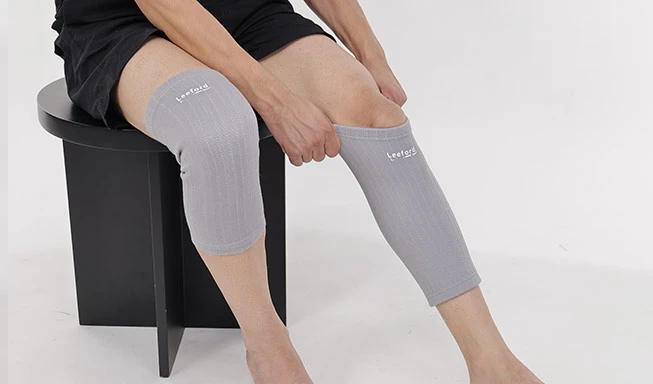
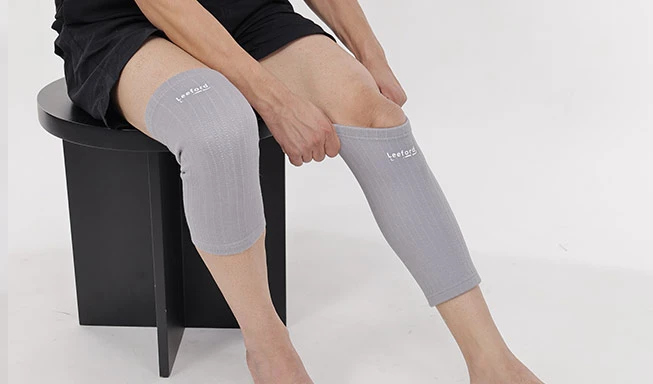
Morning walks, evening runs, spontaneous adventures, don’t let knee pain cancel them. Your knees work hard, and it's time to give them the support they deserve. Knee pain complaints are most common in women of all ages. Don’t let knee pain stop you from running, dancing, climbing, walking down the stairs, or even wearing heels. Whether you’re recovering from arthritis, bursitis, or wear and tear, the best support gear for you is the knee cap. You might be thinking that kneecaps are only for serious injuries; however, they can be used if you experience a dull ache in your knees after a long day or stiffness during workouts.
Let’s break it down, addressing what a knee cap is, why women need knee support, uses of knee caps, features to consider in a good knee cap, and tips for maintaining a knee cap.
What is a Knee Cap
It is a supportive brace that is crafted to be worn around the knee joint. Its goal is to provide support and stability to the injured, weak, or recovering knee. It also helps relieve pain from:
- Arthritis
- Patellar tendinitis
- Bursitis
- General knee swelling
- Tendonitis
- Sprain
- Strain
Why Women Need Knee Support
We might take it for granted how our knees do a lot more. Think about it: with every step, bend, and climb, our knees are bearing our body weight from morning to night. We easily forget how much pressure they handle until they start to hurt. To women, knee injuries happen due to:
- Hip Alignment: Usually, women have a naturally wider pelvis, which slightly changes knee alignment. The wider pelvis changes where the thigh bone meets the knee, adding extra stress on the knee joint.
- Hormone Fluctuation: If estrogen and relaxin hormones fluctuate, it may affect knee ligament mobility and stability. The fluctuations may weaken the knee joints, making them prone to injuries.
- Lifestyle Factors: From high heels to sports, daily habits can stress the knees.
- Looser Ligaments: Women naturally tend to have slightly looser ligaments, which may lead to reduced joint stability and a higher risk of ligament tears like ACL injuries.
- Sporting Activities: Knee injuries happen during sports like handball, volleyball, or activities that involve sudden stops, pivots, or jumps.