
Timing can make or break a safari trip. The same route through the Maasai Mara or Amboseli can feel completely different depending on the month you travel from dusty dry-season plains packed with predators to lush, quiet green-season landscapes at a fraction of the cost. If you're comparing Kenya vacation packages and wondering when to book, understanding Kenya's seasons is the first step to getting real value out of your trip. This guide breaks down peak versus green season travel and helps you match the right package to the right time of year.
Understanding Kenya's Two Main Travel Seasons
Kenya doesn't follow the four-season calendar most travellers are used to. Instead, its climate is shaped by two rainfall patterns that directly affect wildlife movement, road conditions, and most importantly for planning pricing.
The Dry Season (Peak Season)
Running roughly from July through October, with a shorter secondary window in January and February, this is Kenya's busiest and most sought-after travel period. Vegetation thins out, water sources shrink, and animals cluster around remaining rivers and waterholes, making game viewing exceptionally reliable.
The Green Season (Low Season)
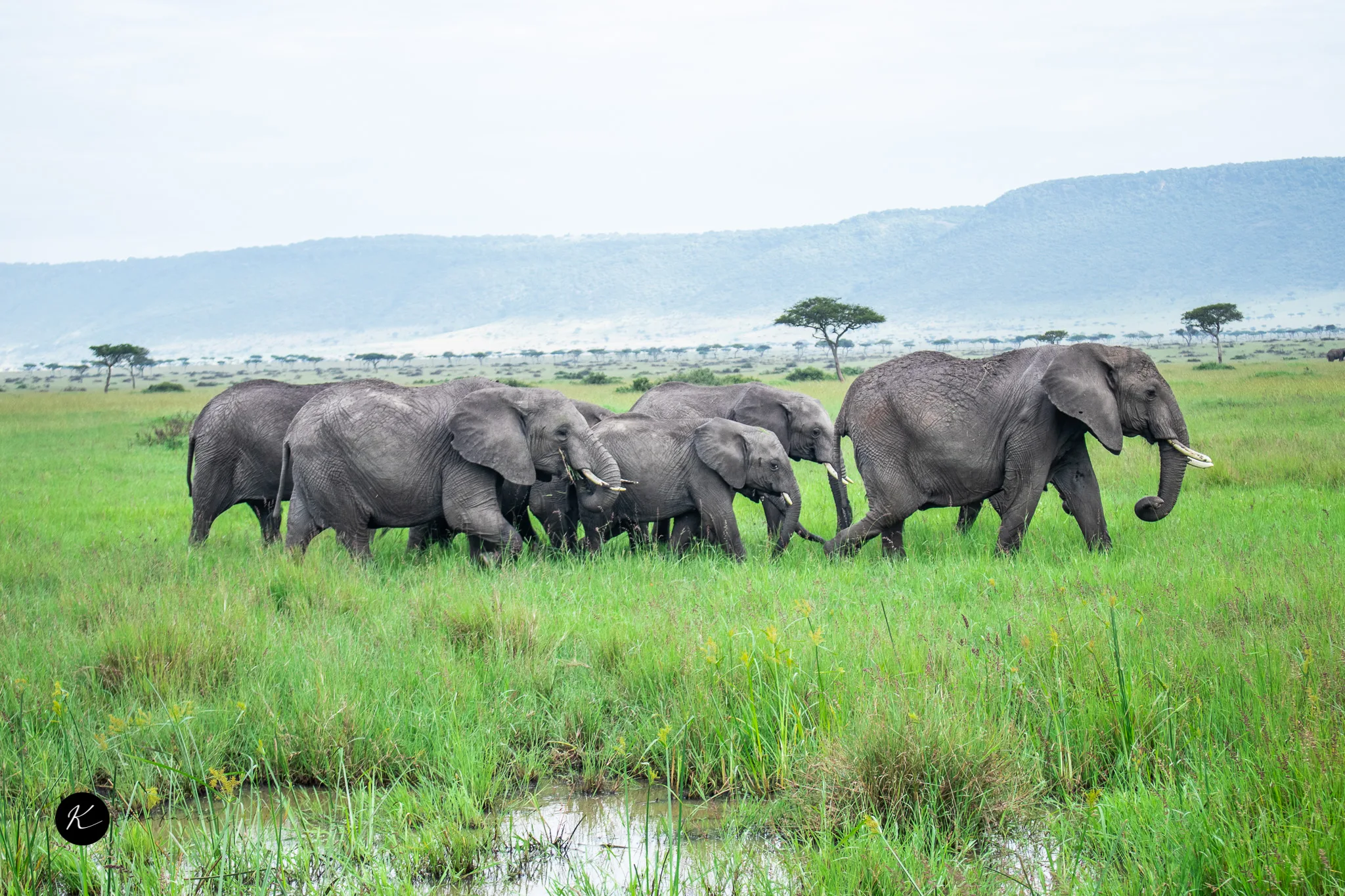
Spanning March through May, with a shorter stretch in November, this period brings short and long rains that transform the landscape into vivid greenery. Wildlife spreads out across the wider plains rather than concentrating near water sources, but bird life, scenery, and newborn animals make this season a favourite among photographers and returning travellers.
Peak Season Kenya Vacation Packages: Best for the Great Migration
If witnessing the Great Wildebeest Migration is the top item on your list, peak season is non-negotiable.
Why Peak Season Works for Migration Viewing
Between July and October, over a million wildebeest and zebra move through the Maasai Mara from Tanzania's Serengeti, often crossing the Mara River in dramatic, predator-filled scenes. This is when safaris in Kenya deliver some of the most iconic wildlife encounters on the continent — think crocodile-infested river crossings and tense predator standoffs on open grassland.
What to Expect During Peak Season
- Higher accommodation and package rates across most Kenya tours
- Increased competition for popular lodges, so early booking is essential
- Dry, dusty conditions with excellent visibility for game drives
- Larger crowds at well-known viewing points along the Mara River
Packages built around this window typically combine the Maasai Mara with Amboseli or Lake Nakuru, giving travellers a strong mix of migration drama, elephant herds, and flamingo-lined lakes within a single itinerary.
Green Season Kenya Vacation Packages: Best for Budget Travel and Quiet Parks
Not every traveller is chasing the migration, and for many, the green season offers a smarter and more relaxed way to experience Kenya.
Why Green Season Appeals to Budget-Conscious Travelers
Because fewer tourists travel during March–May and November, many operators lower their rates for Kenya vacation packages, sometimes significantly compared to peak pricing. This makes it an excellent window for travellers looking to stretch their budget further or add extra days to their itinerary without increasing overall cost.
Advantages Beyond the Price Tag
- Lush, photogenic landscapes with dramatic skies
- Fewer vehicles at sightings, offering a more private safari feel
- Excellent birdwatching, with migratory species present in high numbers
- Newborn wildlife across many species, adding a different kind of viewing appeal
The trade-off is that some roads can become muddy, and certain camps in remote conservancies may close temporarily during the heaviest rains, so itineraries built for this season usually stick to more accessible parks.
Shoulder Months: A Middle Ground Worth Considering
January, February, and parts of June sit between the two extremes and are often overlooked by first-time planners.
Why Shoulder Season Deserves Attention
These months offer a balance of good weather, moderate pricing, and decent wildlife visibility, without the peak-season crowds or the heaviest rains of the green season. For travellers who want reliable game viewing without paying top rates, shoulder months are frequently the best-kept secret in Kenya tour planning.
Matching Kenya Vacation Packages to Your Priorities
If Your Priority Is the Migration
Choose a package that runs through the Maasai Mara between July and October, ideally including at least one full day near the Mara River for crossing opportunities.
If Your Priority Is Value
Look at green season Kenya vacation packages covering Amboseli, Lake Nakuru, or Tsavo, where road access remains reliable and pricing tends to drop noticeably compared to peak months.
If Your Priority Is a Quieter Experience
Shoulder season or green season packages offer fewer vehicles at sightings and more relaxed pacing, ideal for travellers who prioritise atmosphere over ticking off migration footage.
Final Thoughts
There's no single "best" time to visit Kenya; it depends entirely on what you want out of the trip. Peak season delivers the drama of the Great Migration but comes with higher prices and bigger crowds. Green season trades some access and predictability for lower rates, lush scenery, and a quieter park experience.