For most homeowners in Buda, Texas, Open-Cell Foam represents an excellent choice for attic insulation because it provides both thermal resistance and a superior air seal. This material expands rapidly upon application, filling small gaps that traditional batts often miss. While it is more affordable than closed-cell alternatives, its ability to stop air leakage makes it highly effective for the local climate.
This guide provides a detailed look at how this insulation performs in Central Texas and why it might be the right fit for your home. You will learn about its performance during hot Texas summers, its cost-effectiveness, and how it compares to other common materials used in the region.
Decades of field experience in the Texas Hill Country show that attic performance is the biggest factor in home comfort. Understanding the science behind spray foam helps you make a choice that lasts for the life of your house.

How Open-Cell Spray Foam Insulation Works in Texas Heat
The climate in Buda is characterized by high humidity and intense summer heat. Traditional insulation, like fiberglass, allows air to move through it, which means your air conditioner has to work harder to combat the hot air seeping in from the attic. Open-Cell Foam stops this air movement by creating a custom-fit barrier.
Because the cells in this foam are not completely closed, the material remains flexible and soft. This flexibility allows it to move with your home as the wood framing expands and contracts during seasonal temperature shifts. It also offers sound-dampening qualities, which is a great benefit if you live near busy roads or under flight paths.
Bonus Tip: In Buda, you should apply the foam directly to the underside of the roof deck. This creates a conditioned attic space—meaning the attic is brought within the home's climate-controlled envelope—keeping your HVAC equipment and ductwork much cooler than a traditional vented attic would.
Key Technical Differences Between Common Insulation Types
Choosing the right material requires a side-by-side look at performance metrics. The following table highlights how open-cell spray foam insulation stacks up against other popular choices for Central Texas homes.

Is Open-Cell Foam Effective for Humidity Control?
Buda often experiences heavy humidity, and managing moisture is a top priority for any property owner. Open-Cell Foam is vapor-permeable, meaning it allows moisture to pass through it rather than trapping it against your wooden roof deck. This is a safety feature that can help you spot a roof leak early, as water will eventually seep through the foam.
If you used a non-permeable material, a small roof leak could go unnoticed for years, potentially rotting your roof deck from the inside out. Using open-cell insulation provides a balance between stopping air flow and allowing your home to breathe in a way that protects its structural integrity.

Things to Evaluate Before You Choose an Insulation Method
Before you commit to a specific insulation project, you need to look at several factors specific to your property. Not every attic is a candidate for spray foam, and certain conditions might make one material better than another.
1. Existing Roof Condition
Spray foam should only be applied to a roof in good repair. If your shingles are at the end of their life, replace the roof before installing the foam. Application on a failing structure leads to future complications during roof replacement.
2. HVAC Ventilation Requirements
When you switch to a sealed attic, your gas furnaces or water heaters must be properly vented. They can no longer pull air from the attic for combustion. This is a critical safety step for any home conversion.
3. Budget vs. Long-Term Savings
While the initial cost of spray foam insulation in Buda, TX, is higher than fiberglass, the monthly utility savings often pay for the difference within a few years. Analyze your expected residency time to calculate the total return on investment.
4. Space Accessibility and Geometry
If your attic has a very low pitch or tight corners, spray foam is often the only way to ensure every square inch is covered. It reaches areas where human hands cannot easily fit traditional fiberglass batts.
The Financial Impact of Upgrading Your Attic
In Central Texas, cooling costs make up the largest portion of a utility bill. Research shows that air leakage can account for up to 40% of a home's energy loss. By using Open-Cell Foam to create an airtight seal, you eliminate the "chimney effect" where cool air escapes and hot air is pulled in from the outside.
Bonus Tip: Check with your local utility provider in Buda. Many companies offer rebates or incentives for homeowners who upgrade to high-efficiency insulation, which can further reduce your total project cost.
Market data suggests that homes with high-performance insulation upgrades see an average increase in resale value. Buyers today prioritize energy efficiency and comfort, making a foam-insulated attic a strong selling point.
How to Prepare Your Buda Home for Installation
The installation process for open-cell insulation is relatively quick but requires a clear workspace. The technicians will typically need to remove any old, dusty insulation before they can spray the foam. This ensures the foam sticks directly to the wood surfaces for a permanent bond.
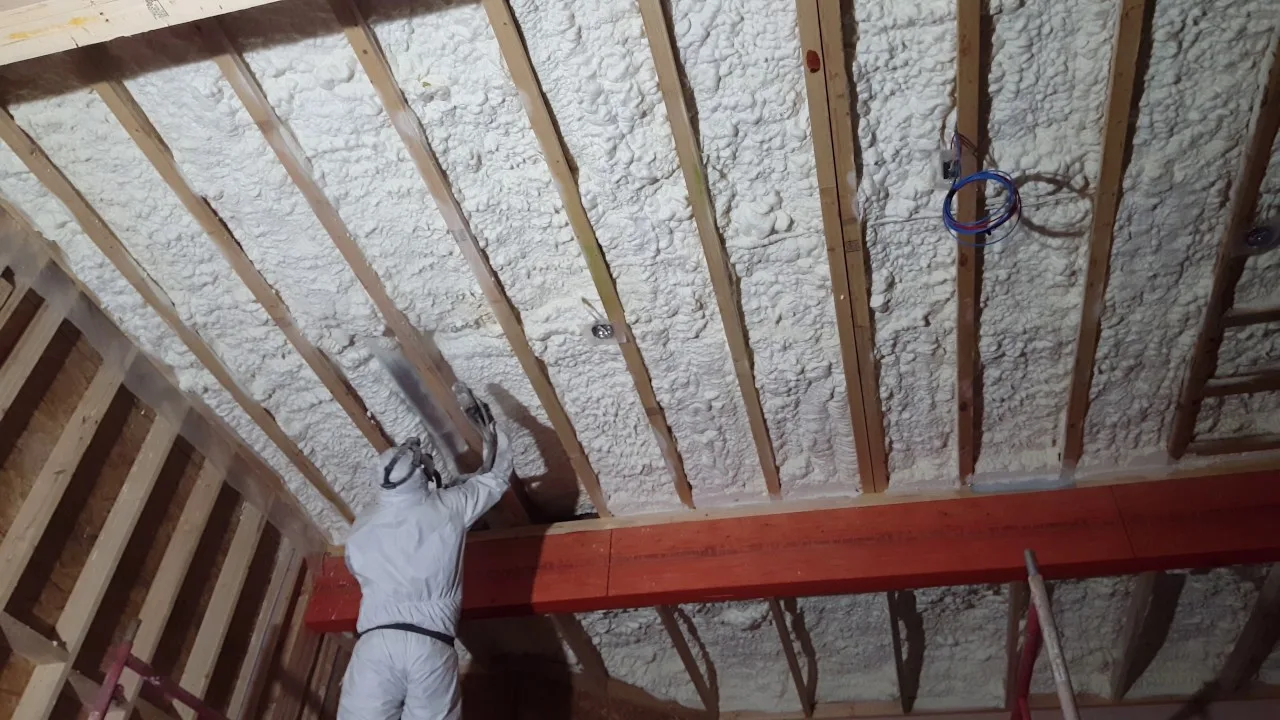
Once the old material is gone, the crew uses specialized equipment to spray the liquid components. The foam expands to 100 times its liquid volume in seconds. You should plan to be out of the house for about 24 hours during and after the application to allow the material to fully cure and the air to clear.

Determining If Your Attic Needs an Upgrade
If you notice hot and cold spots in your home, or if your AC runs constantly without reaching the set temperature, your insulation is likely failing. In Buda, many older homes have fiberglass that has settled or been moved by pests, leaving huge gaps in protection.
Upgrading to a modern solution ensures that your home stays at a consistent temperature year-round. It also reduces the strain on your AC unit, which can extend the life of your expensive HVAC system.
Reliable Support for Your Attic Insulation Project in Buda
To achieve these long-term efficiency goals and implement the solutions discussed above, reaching out to a local professional is the best next step. Experts like those at Stellrr Insulation & Spray Foam can help you determine if Open-Cell Foam is the best fit for your specific attic layout and budget. They offer detailed assessments to show you exactly where your home is losing energy. You can contact them at (512) 710-2839 or send an email to [email protected] to discuss your project. For those who want to visit or see their local service area, their location is available at https://maps.app.goo.gl/Kn97GfC6mWUq8gkV8. Asking for a free quote is a great way to start planning your home improvement.
Key Takeaways for Buda Homeowners
Choosing the right insulation involves balancing performance, cost, and long-term durability. For the Buda area, open-cell spray foam stands out because it addresses the two biggest issues: heat transfer and air leakage. It provides a breathable yet airtight barrier that suits the local climate perfectly. You should evaluate your current energy bills and comfort levels to decide if now is the time for an upgrade. Always consult with an experienced professional to ensure your attic is a good candidate for this technology.
Common Questions About Attic Insulation
Does open-cell foam attract pests or rodents?
No, the material does not provide any food value to insects or rodents. Because it creates an airtight seal, it actually helps keep pests out by closing the small gaps they usually use to enter your attic.
Is there a strong odor after the installation?
There is a brief chemical odor during the spraying process and for a short time afterward. However, once the foam has fully cured, which usually takes about 24 hours with proper ventilation, it is completely odorless.
Can open-cell foam be installed over old insulation?
It is not recommended. For the best results and a proper air seal, the old fiberglass or cellulose should be removed so the foam can be applied directly to the building's structure.
Will spray foam cause my roof shingles to fail?
No, studies have shown that the temperature difference on shingles over a foam-insulated roof is only a few degrees. This minor difference does not significantly impact the lifespan of your roofing materials.
How long does the insulation last?
This type of insulation is designed to last for the life of the structure. It does not sag, settle, or degrade over time like traditional materials, meaning you won't need to top it off or replace it.