Choosing a B.Tech college is a financial decision as much as an academic one. Families spend several lakh rupees over four years, so the question is not only “Which college is popular?” but “What will this degree give back?”
This guide explains how to evaluate placements, fees and long-term return on investment, using the approach I recommend to families after years of working in education marketing and admissions content.
Why ROI Matters When Comparing Engineering Colleges
Return on investment in engineering is the combination of skills gained, job opportunities, salary growth and higher-study options relative to what you pay. A lower-fee college with weak outcomes can cost you more in the long run than a well-supported programme with a slightly higher fee.
Think of ROI as four parts:
- Employability: Will you graduate with job-ready skills?
- Career access: Do quality recruiters visit campus?
- Growth: Does the college prepare you for promotions, M.Tech, MBA or competitive exams?
- Cost: What is the total spend, and are scholarships available?
How to Evaluate the Best Engineering Colleges in Dehradun
When you compare the best engineering colleges in Dehradun, put outcomes ahead of brochures. Use the framework below.
Understanding Placement Data ProperlyPlacement numbers are often misread. Ask these questions:
- What percentage of eligible students were placed? Not just registered students.
- What is the median package? The highest package is often a single outlier.
- Which companies recruit? Look for a mix of IT, core engineering, consulting and start-ups.
- Are internships included? Internships often convert to full-time offers.
- What roles are offered? Technical roles differ from sales or support positions.
Request this information in writing and speak to recent graduates. A transparent college will share it openly. Quantum University’s campus placement information is a useful starting point, and you can confirm current figures with the placement cell.
Skills That Employers Actually WantRecruiters repeatedly highlight a few capabilities: problem solving, communication, teamwork, domain knowledge and the ability to learn quickly. Strong programmes build these through projects, hackathons, internships and soft-skills training rather than relying only on exams.
For computer science students, that means coding practice, databases, cloud and cybersecurity basics. For civil and mechanical students, it means design software, site exposure, workshops and safety practices. You can see how these are structured in the B.Tech CSE curriculum and the Civil Engineering programme.
Understanding the Fee Structure
Ask the admission office for a written breakdown covering:
- Tuition fee per year
- Hostel and mess charges
- Examination and development fees
- Refundable deposits
- Scholarship eligibility
- Policies on fee increases
Many families only compare the first-year tuition fee and are surprised later. Always calculate the four-year total. Consider education loans too, since many banks finance engineering degrees at approved universities, and confirm the interest and repayment terms with the lender.
Scholarships and Financial Support
Universities commonly provide scholarships on the basis of:
- Class 12 or entrance-exam performance
- Sports achievement
- State domicile
- Sibling or family-based concessions
- Need-based support in some cases
Apply early and keep your documents ready. Scholarship seats can be limited.
Beyond Placements: Other Routes to a Strong Career
Not every student wants a campus job immediately. A good engineering college should also support:
- Higher studies: preparation for GATE, M.Tech, MBA or studying abroad.
- Government careers: exams like SSC JE, RRB JE and state engineering services, which are especially popular in civil and mechanical streams.
- Entrepreneurship: incubation support, mentorship and project funding guidance.
- Research: opportunities to publish, join labs and pursue a Ph.D.
If you also want to explore management after engineering, you can read about MBA colleges in Dehradun. For those considering a shorter route, the Diploma in Mechanical Engineering can lead to jobs or lateral entry into B.Tech.
Questions to Ask During a Campus Visit
A campus visit reveals more than any website. Take this checklist:
- Can I see the labs and workshops in use?
- How many students did the placement cell support last year?
- What training happens before placement season?
- Who will mentor me academically?
- How is student safety and anti-ragging handled?
- What are the hostel rules, food quality and transport options?
- Are the fee and scholarship terms in writing?
Talk to current students without staff present if possible. Honest answers are the best predictor of your future experience.
Red Flags to Watch For
- Guaranteed placement claims without evidence
- Reluctance to share accreditation documents
- Pressure to pay quickly with “limited seats” messaging
- No clarity about total fees
- Unwillingness to let you meet students or faculty
A reputable institution welcomes questions.
Why Students Consider Quantum University
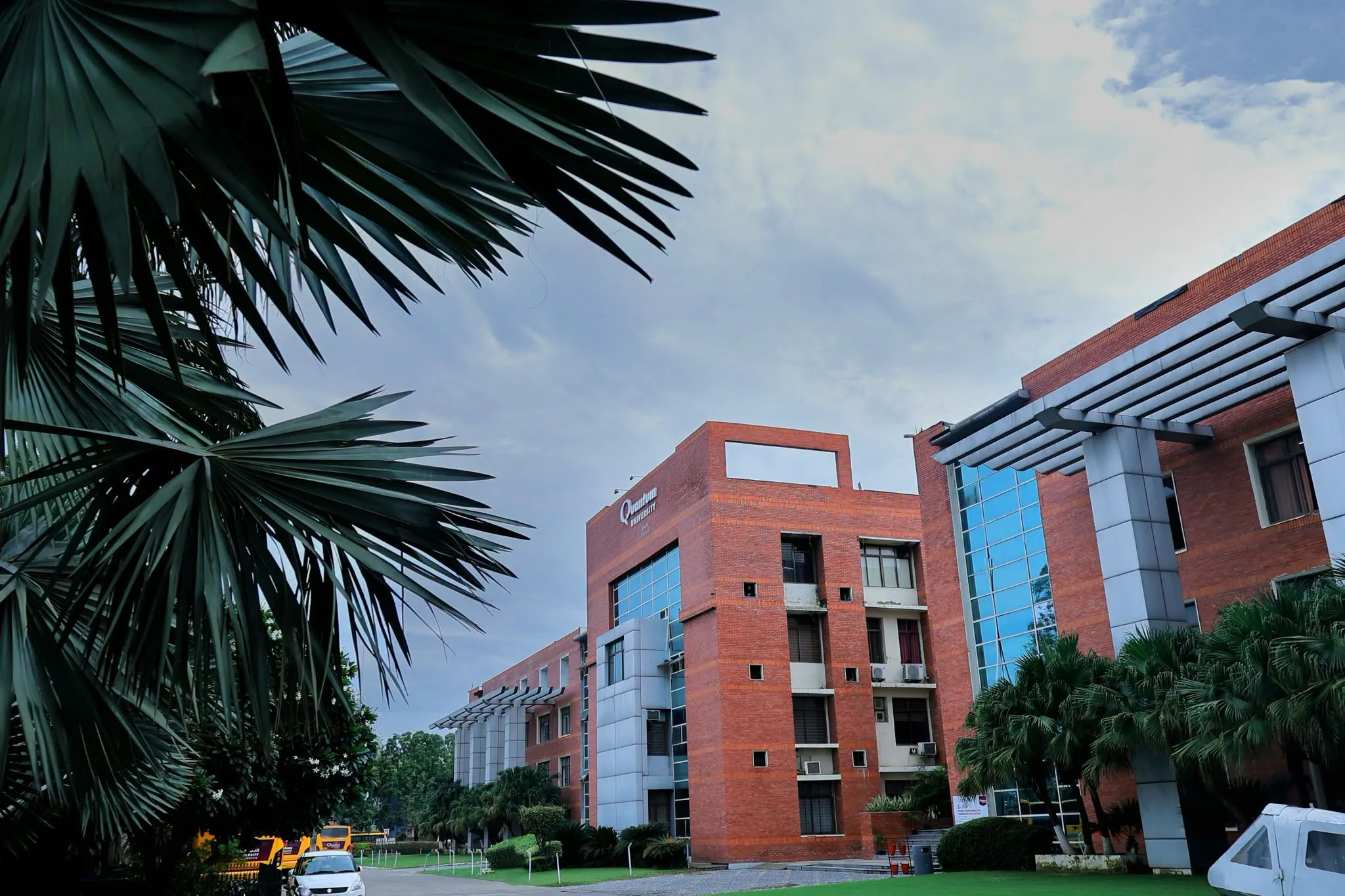
Quantum University offers B.Tech programmes in Computer Science, Civil and other engineering streams, along with a diploma option and management programmes. Students and parents typically look at its practical training, industry interaction, placement preparation and campus facilities. As with any university, treat this as a starting point: visit, ask for current data and compare it with other options before you decide.
Frequently Asked Questions
How do I know if a college’s placement record is genuine?Ask for the number of students placed, the median package and the list of recruiters, and verify them with recent graduates or on professional networking platforms.
What is a reasonable fee for B.Tech in Dehradun?Fees vary widely depending on the university, the branch and the facilities. Compare the total four-year cost, including hostel and exam charges, instead of tuition alone.
Can I get an education loan for engineering?Yes, banks commonly fund engineering degrees from recognised institutions. Check eligibility, interest rates and repayment terms with the bank.
Is B.Tech still worth it in 2026?Yes, if you choose a programme with strong practical training and keep upgrading your skills. Employers value capability alongside the degree.
Should I choose a branch or a college first?Decide your target branch first, then shortlist colleges that are strong in it. A good college with a mismatched branch can limit your motivation and outcomes.
Can I do an MBA or M.Tech after engineering?Yes. Many graduates pursue M.Tech through GATE or an MBA through CAT and similar exams, and some universities offer both options on one campus.
Final Thoughts
The best engineering colleges in Dehradun are the ones that prove their value through transparent placements, practical learning and honest guidance. Compare data, ask questions and choose the programme that fits your goals. To continue your research, explore top colleges in Dehradun and the full list of engineering programmes at Quantum University.