
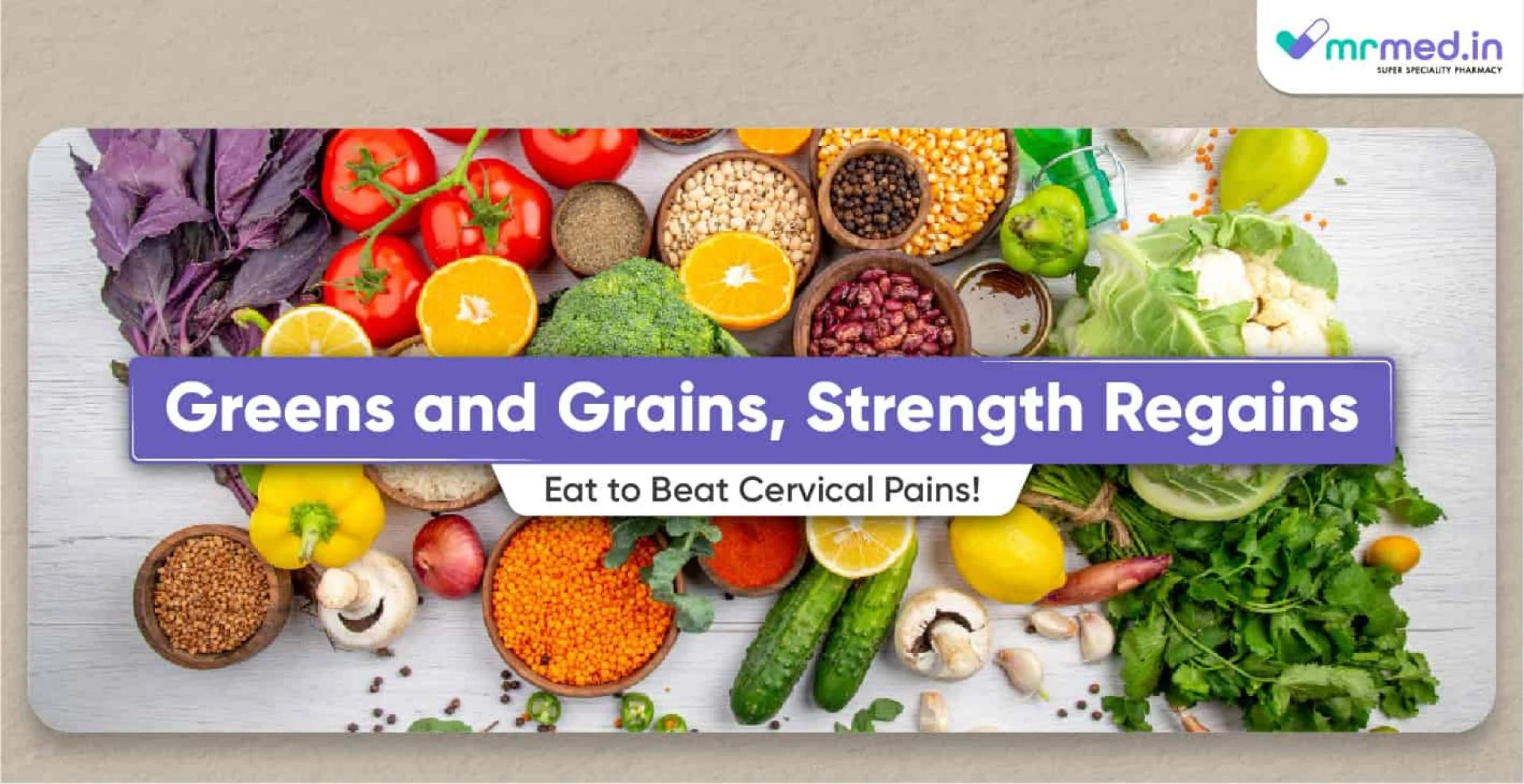
Recovering from cervical cancer requires more than medical treatment alone. While surgery, chemotherapy, radiation, or targeted therapies address the medical side of healing, the body also needs proper nourishment to regain strength, restore immunity, and recover faster. Food becomes not just something we eat — it turns into a crucial part of the healing journey.
Women receiving guidance from the Best Doctors for Cervical Cancer in Raipur are often advised to follow a diet that supports cell repair, improves energy levels, and protects immunity. This blog explains exactly what to eat, what to avoid, and how to build a diet plan that supports recovery — in simple and practical terms.
Why Diet Matters During Cervical Cancer Recovery
Cervical cancer treatment impacts the body in many ways:
- Reduced immunity
- Fatigue or low energy levels
- Nausea or reduced appetite
- Digestive discomfort
- Risk of infections
While medical care focuses on treating the cancer, food helps the body:
- Repair damaged tissues
- Boost blood cell count
- Reduce inflammation
- Maintain muscle strength
- Improve mood and mental health
This is why specialists involved in Cervical Cancer Surgery in Raipur emphasize nutritional care as a core part of recovery.
a) Protein — For Strength and Healing
Protein repairs tissues damaged during treatment and supports muscle strength.
Include:
- Lentils, dal, beans
- Paneer and curd
- Eggs
- Chicken and fish
- Tofu and soy products
Try to include protein in every meal.
b) Antioxidants — To Protect Cells
Antioxidants fight free radicals that damage healthy cells.
Include:
- Berries (if available)
- Amla, oranges, lemons
- Carrots and beetroots
- Green tea (but not on an empty stomach)
A glass of fresh vegetable juice daily can be very helpful.
c) Iron — To Improve Hemoglobin
Cancer treatment may lower hemoglobin, causing weakness and dizziness.
Include:
- Spinach
- Beetroot
- Jaggery
- Dates and raisins
Pair iron-rich foods with lemon juice — Vitamin C helps iron absorption.
d) Healthy Fats — For Hormonal Balance
Fat is not the enemy — bad fat is. Healthy fats maintain cell function and reduce inflammation.
Include:
- Nuts and seeds
- Olive oil / mustard oil
- Coconut in moderation
e) Fluids — To Keep the Body Hydrated
Dehydration worsens fatigue and nausea.
Drink:
- Water
- Coconut water
- Clear soups
- Herbal infusions
Aim for 8–10 glasses daily, unless your doctor advises otherwise.
2. Foods That Help During Treatment & RecoveryFood
Benefits
Fresh fruits
Boost immunity & support digestion
Cooked vegetables
Gentle on stomach and nutrient-rich
Home-made soups & broths
Energy restoring & hydrating
Curd / buttermilk
Supports gut health
Whole grains
Improve long-lasting energy
The goal is simple, fresh, and easily digestible meals.
3. Foods to Limit or AvoidThese foods may slow healing, increase inflammation, or harm digestion:
- Deep fried foods
- Excessive sugar
- Processed snacks and fast food
- Carbonated and energy drinks
- Very spicy foods (if digestion is weak)
- Excess tea or coffee
Recovery thrives with gentle, nourishing meals, not heavy or processed foods.
4. Sample Recovery Meal Plan (Simple & Indian)Time
Meal
Early Morning
Warm water + soaked raisins or aloe vera juice
Breakfast
Oats, upma, poha, or egg + tea (mild)
Mid-Morning
A fruit or coconut water
Lunch
Roti + dal + cooked sabzi + curd
Evening
Vegetable soup or roasted chana + herbal tea
Dinner
Light khichdi / dal rice / vegetable daliya
Before Bed
Haldi milk (if advised)
This is gentle, nourishing, and easy to digest.
5. Recovery After Cervical Cancer SurgeryWomen who undergo Cervical Cancer Surgery in Raipur may need special post-surgery nutritional care:
- Focus on protein for wound healing
- Drink fluids to prevent constipation
- Avoid heavy or oily meals
- Eat small meals frequently
A nutrition plan should be adjusted based on:
- Type of surgery
- Weight changes
- Digestion comfort
- Appetite level
Follow-ups with a gynecologic oncologist or dietician help fine-tune diet choices.
6. Emotional & Mental Well-beingHealing is not just physical — emotional health matters too.
Simple activities that uplift mood:
- Short walks in fresh air
- Light music
- Supportive conversations with family
- Journaling feelings
- Gentle breathing exercises
A positive and relaxed mind supports faster recovery.
Food becomes fuel for recovery. With the guidance of the Best Doctors for Cervical Cancer in Raipur, women can rebuild strength, immunity, and confidence through the right diet. It is not about strict rules or complicated ingredients — it is about mindful, nourishing choices every day.
About Kamla Women Hospital
Kamla Women Hospital is recognized as a trusted Private Hospital for Cervical Cancer in Raipur, offering expert gynecological care, cancer screening, counseling, and surgical treatment. With a team of experienced specialists performing Cervical Cancer Surgery in Raipur, the hospital focuses on compassionate support and patient-centered recovery.
Taking care of your body is not a task — it is an act of self-love.
If you or someone you care about is undergoing cervical cancer treatment, consider reaching out for a consultation, guidance, or diet planning at Kamla Women Hospital.
1. Can diet really help recovery?
Yes. Food supports immunity, healing, energy levels, and emotional well-being.
2. Should I take supplements?
Only if prescribed by your doctor. Over-the-counter supplements may not be suitable during cancer treatment.
3. Can I eat fruits after surgery or chemotherapy?
Yes, but choose fresh and washed fruits. Avoid packaged sweetened juices.
4. How long does recovery take?
Recovery varies based on treatment type. Balanced nutrition significantly supports the healing phase.
Call to Action
If you have questions or want expert diet counseling, schedule a consultation at Kamla Women Hospital.
Your healing journey deserves specialized, compassionate support.
To get latest updates about our hospital and offers, follow our facebook channel: https://www.facebook.com/share/g/19QHTCGG1h/ and whatsapp channel: https://whatsapp.com/channel/0029VbAdUnp3bbV1GBMECV1P