
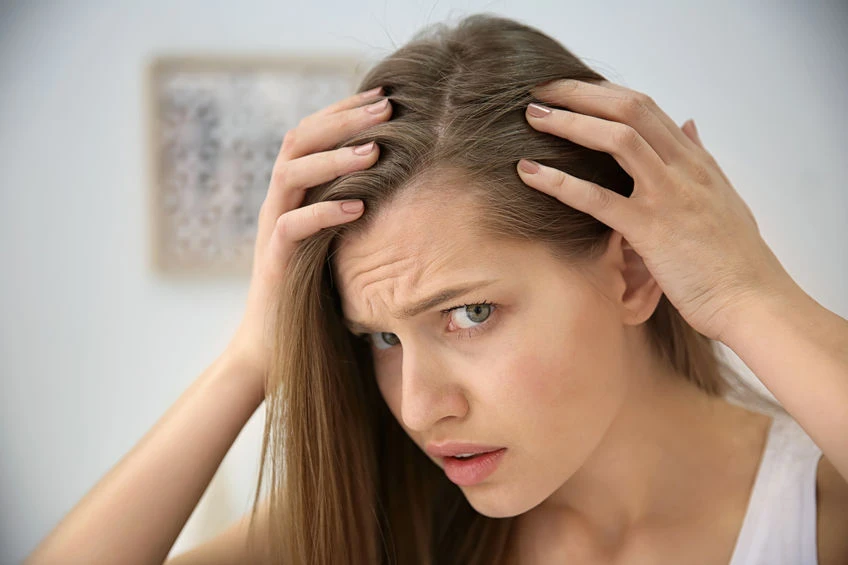
Hair loss can be a distressing experience for many individuals, regardless of age or gender. Finding the Best Dermatologist for Hair Loss in Abu Dhabi can be instrumental in diagnosing the underlying causes and exploring effective treatment options. This blog aims to provide informative insights into hair loss, its causes, and the potential solutions available through dermatological care.
Understanding Hair Loss
Hair loss, commonly referred to as alopecia, can manifest in various forms—ranging from gradual thinning to complete baldness. It can affect any part of the body, though the scalp is most often concerned.
Types of Hair Loss
- Androgenetic Alopecia: This is hereditary hair loss, affecting both men and women. It's characterized by a specific pattern of thinning.
- Alopecia Areata: An autoimmune condition leading to sudden hair loss in patches.
- Telogen Effluvium: A temporary condition often triggered by stress, hormonal changes, or nutritional deficiencies, leading to increased shedding.
- Traction Alopecia: Caused by hairstyles that pull on the hair, resulting in thinning.
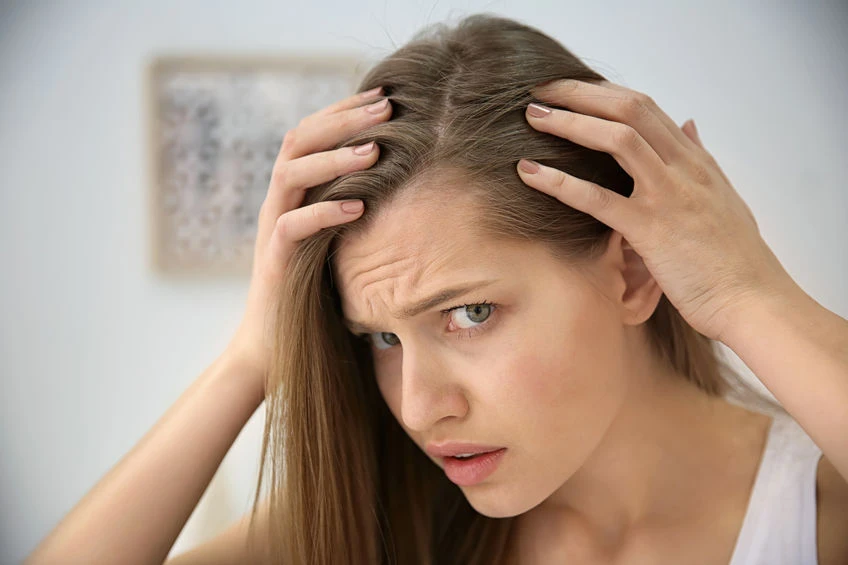
Causes of Hair Loss
Understanding the causes of hair loss is vital for effective treatment. Various factors can contribute to hair loss, and awareness of these can guide individuals to make informed choices regarding their hair health.
Genetic Predisposition
Genetics play a significant role in the development of hair loss. If family members have experienced similar conditions, the likelihood of developing hair loss increases.
Hormonal Changes
Hormonal fluctuations can trigger hair loss in both men and women. Conditions such as pregnancy, menopause, and thyroid imbalances can influence hair growth cycles.
Medical Conditions
Certain medical conditions, including autoimmune diseases and scalp infections, can lead to hair loss. Regular consultations with a healthcare professional can help in early detection and intervention.
Nutritional Deficiencies
Nutrition affects overall body health, including hair growth. Deficiencies in vitamins and minerals, particularly iron, zinc, and biotin, can result in weaker hair and increased shedding.
When to Seek Help
If you are experiencing significant hair loss, seeking professional help from the Best Dermatologist for Hair Loss is essential. Early intervention can lead to better outcomes.
Signs You Should Consult a Dermatologist
- Sudden or patchy hair loss
- Excessive shedding during hair washing or grooming
- Changes in hair texture or overall hair health
- Itchy or inflamed scalp areas
Diagnostic Procedures
When visiting a dermatologist, a thorough evaluation is critical for an accurate diagnosis. Understanding the underlying cause of hair loss sets the stage for appropriate treatment.
Medical History Review
A detailed medical history provides context to your condition. The dermatologist may ask about family history, recent stressors, dietary habits, and existing health issues.
Physical Examination
A physical examination of the scalp and hair will help determine the pattern and extent of hair loss, as well as identify any possible inflammation or infection.
Additional Tests
In some cases, further tests might be necessary. These could include blood tests to check for hormonal levels, nutrient deficiencies, or other underlying health conditions.
Treatments Available
Once a diagnosis has been made, various treatment options may be suggested according to the type and severity of hair loss.
Topical Treatments
- Minoxidil: A commonly used topical solution that promotes hair growth and slows down hair loss. Available without prescription, it’s suitable for both men and women.
Oral Medications
- Finasteride: An oral medication primarily for men that helps reduce the hormones responsible for hair loss.
Platelet-Rich Plasma (PRP) Therapy
PRP therapy involves drawing a small amount of blood, processing it to concentrate the platelets, and injecting it into the scalp. The growth factors in these platelets can rejuvenate hair follicles and promote hair regrowth.
Hair Transplant Surgery
For those with advanced hair loss, surgical options like hair transplants may be considered. This involves relocating hair follicles from thicker areas to parts experiencing hair loss.
Lifestyle Changes to Support Hair Health
In addition to professional treatments, specific lifestyle changes can contribute positively to hair health.
Maintain a Nutrient-Rich Diet
Eating a balanced diet with ample vitamins and minerals can strengthen hair. Foods rich in protein, iron, and omega-3 fatty acids are particularly beneficial.
Managing Stress
Engaging in stress-reducing activities such as yoga, meditation, and regular exercise can promote overall well-being, which is closely linked to hair health.
Hair Care Routine
Engaging in gentle hair care practices can prevent unnecessary breakage. Avoid excessive heat styling, harsh chemicals, and tight hairstyles that place strain on hair.
Seeking Support: Emotional and Psychological Aspects
Hair loss can have emotional implications, affecting self-esteem and confidence. Seeking support, whether through counseling, communal support groups, or online forums, can be beneficial.
Building a Support Network
Discussing your experiences with friends or joining support groups can offer emotional relief and practical advice from others facing similar challenges.
Professional Guidance
Consider seeking guidance from a mental health professional if hair loss significantly impacts your mood or self-image. They can provide coping strategies and emotional support during difficult times.
Regular Follow-Ups
Maintaining regular follow-up appointments with your dermatologist is crucial for monitoring progress and making necessary adjustments to your treatment plan.
Monitoring Hair Growth
During follow-ups, the dermatologist will assess the response to treatment and make recommendations based on observed changes and new concerns.
Adjusting Treatment Plans
If certain treatments are less effective than expected, your dermatologist may suggest alternatives or complementary therapies to enhance results.
Conclusion
Finding the Best Dermatologist for Hair Loss is an essential step in addressing hair loss concerns. Understanding the various types, causes, and available treatments empowers individuals to make informed decisions about their hair health.
Taking proactive steps, whether through medical intervention, lifestyle adjustments, or emotional support, can significantly impact the journey toward healthier hair. Embrace the process, and remember that support is available every step of the way.
FAQs
What are the common causes of hair loss?
Common causes of hair loss include genetic predisposition, hormonal changes, medical conditions, and nutritional deficiencies.
How can I choose the right dermatologist for hair loss?
Look for specialists with experience and training in hair loss treatments. Assessing professional credentials and patient success stories can help inform your decision.
Are there any home remedies for hair loss?
While home remedies like essential oils and nutritional supplements may help some individuals, consulting a dermatologist ensures appropriate and effective treatments.
How long does it take to see results from hair loss treatments?
Results can vary depending on the type of treatment and individual response. Generally, it may take several months to see noticeable improvements. Regular follow-ups with your dermatologist can help gauge progress.