Automated External Defibrillators (AEDs) play a critical role in saving lives during sudden cardiac arrest emergencies. Across workplaces, schools, gyms, hospitals, airports, and public spaces in California, AEDs provide immediate assistance before emergency responders arrive. However, simply installing an AED device is not enough. Regular maintenance and reliable replacement parts are essential to ensure the device works when it matters most.
One of the most important aspects of AED maintenance is replacing batteries and electrode pads on time. These components have expiration dates and must function perfectly during an emergency. Organizations, safety managers, and facility owners often look for dependable suppliers that provide high-quality replacement components quickly and reliably.
If you are searching for the Best AED batteries and pads supplier in California USA, understanding product quality, compliance standards, availability, and service support becomes essential. This guide explores everything you need to know about AED batteries and pads, how to maintain them properly, and how to choose the right supplier in California.
Understanding AED Batteries and Pads
AEDs are designed to deliver a life-saving shock to a person experiencing sudden cardiac arrest. The effectiveness of the device depends heavily on the condition of its batteries and electrode pads.
What Are AED Batteries?
AED batteries provide the power required for the device to analyze heart rhythms and deliver a shock if necessary. Without a functional battery, the AED cannot operate during an emergency.
Most AED batteries have a lifespan of 2 to 5 years, depending on the model and manufacturer. Regular monitoring ensures the device remains ready for use.
Key functions of AED batteries include:
- Powering the device during rescue operations
- Supporting self-testing diagnostics
- Maintaining standby readiness
- Ensuring consistent shock delivery
Replacing batteries before their expiration date is critical for safety compliance and emergency preparedness.
What Are AED Pads?
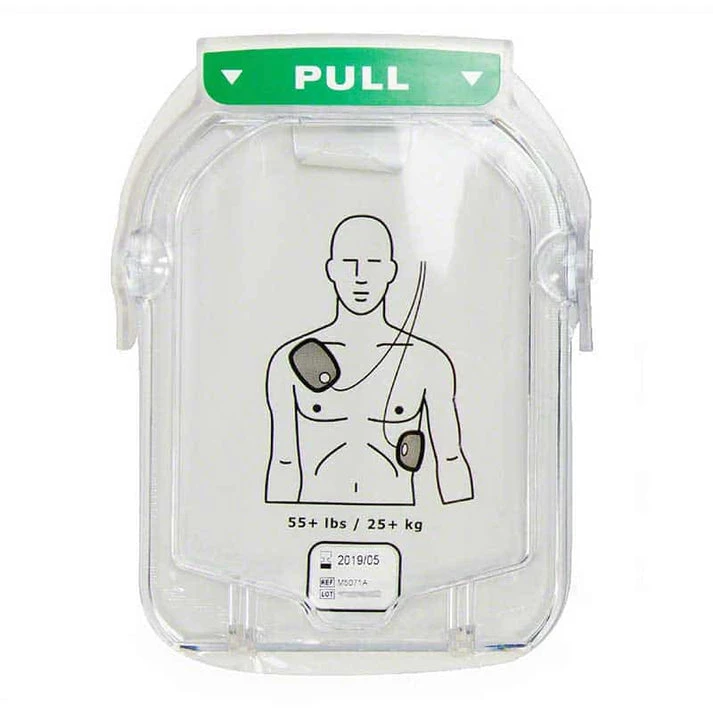
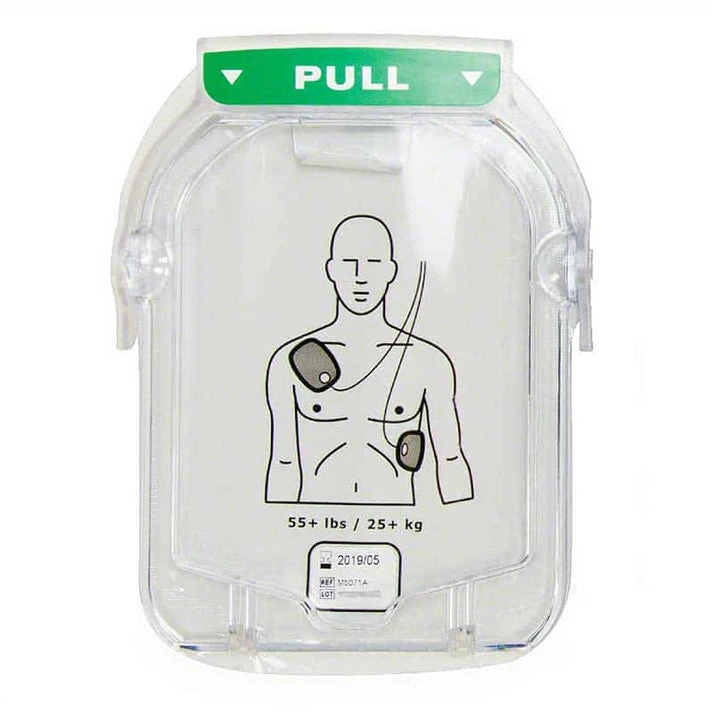
AED pads, also known as electrode pads, are adhesive sensors placed on the patient’s chest. They analyze the heart rhythm and deliver the electrical shock if needed.
These pads contain conductive gel that ensures proper connection with the skin. Over time, the gel can dry out, which is why AED pads typically expire within 18 to 30 months.
Important characteristics of AED pads include:
- Pre-connected design for quick deployment
- Clear placement diagrams
- Adult and pediatric options
- Compatibility with specific AED models
Maintaining up-to-date pads is essential for ensuring accurate heart rhythm analysis and effective shock delivery.
Why Reliable AED Replacement Supplies Matter
During cardiac emergencies, seconds can make the difference between life and death. AEDs must function instantly without technical failure.
This is why organizations rely on the AED batteries and pads supplier to ensure their life-saving equipment remains operational.
Key Reasons Reliable Supplies Are Important
1. Compliance with Safety Regulations
Many workplaces and public facilities must follow safety regulations and compliance standards. Expired AED components can lead to non-compliance during inspections.
2. Emergency Readiness
Functional AED batteries and pads ensure that devices are always ready to respond during emergencies.
3. Long-Term Equipment Protection
Using high-quality replacement parts helps maintain the performance and longevity of AED devices.
4. Reliable Performance During Critical Situations
Poor-quality or incompatible parts may fail during emergencies. Trusted suppliers provide certified and tested components.
Industries That Require AED Batteries and Pads in California
Across California, many organizations install AED devices to protect employees, customers, and visitors.
Healthcare Facilities
Hospitals, clinics, and medical centers rely heavily on AED units as backup emergency equipment.
Schools and Universities
Educational institutions often place AEDs in sports facilities, cafeterias, and administrative buildings.
Corporate Offices
Many businesses maintain workplace safety programs that include AED devices.
Fitness Centers and Gyms
High physical activity increases the risk of sudden cardiac events, making AEDs essential in gyms.
Airports and Transportation Hubs
Public locations with large crowds must ensure AED devices are operational at all times.
Hotels and Event Venues
Hospitality venues prioritize guest safety by installing AED units in accessible locations.
Choosing the Right AED Batteries and Pads Supplier
Selecting a reliable supplier is essential for maintaining AED readiness and safety compliance.
Organizations searching for the Best AED batteries and pads supplier in California USA should consider several important factors.
Product Compatibility
AED parts must match the exact model of the device. Reliable suppliers offer batteries and pads compatible with major AED brands.
Certified and Genuine Products
Suppliers should provide manufacturer-approved components that meet safety and medical standards.
Expiration Tracking Support
Some suppliers help organizations track expiration dates to ensure timely replacements.
Fast Delivery Across California
Quick shipping ensures that facilities receive replacement parts before expiration deadlines.
Expert Customer Support
Experienced suppliers help customers choose the correct products for their AED models.
Common Types of AED Batteries
Different AED models require specific battery types. Understanding these options helps ensure compatibility.
Lithium AED Batteries
Lithium batteries are widely used because they provide long shelf life and stable performance.
Rechargeable AED Batteries
Some devices use rechargeable batteries that require periodic charging and maintenance.
Long-Life AED Batteries
Advanced AED units may use extended-life batteries designed to last longer with minimal maintenance.
Where to Find Reliable AED Replacement Supplies
Organizations in California seeking dependable AED parts often rely on trusted online suppliers that specialize in safety equipment.
Choosing the AED batteries and pads supplier ensures access to certified components designed for leading AED brands. Reliable suppliers provide high-quality batteries and electrode pads that meet medical standards and support emergency readiness across multiple industries.
Businesses, schools, and public institutions benefit from purchasing from experienced providers who understand the importance of emergency preparedness.
1. How long do AED batteries usually last?
Most AED batteries last between two and five years depending on the device model and usage conditions.
2. Do AED pads expire?
Yes, AED pads typically expire within 18 to 30 months because the conductive gel can dry out over time.
3. Can expired AED pads still be used?
Expired pads may not conduct electricity properly and should never be used during an emergency.
4. How often should AED devices be inspected?
AED devices should be inspected monthly to ensure batteries and pads are functioning correctly.
5. Are AED batteries universal?
No, each AED model requires specific batteries designed by the manufacturer.
6. What happens if an AED battery fails during an emergency?
If the battery fails, the AED cannot deliver a life-saving shock, which is why regular replacement is essential.
7. Can AED pads be reused?
No, AED pads are single-use medical components and must be replaced after each rescue.
8. Do AEDs perform automatic self-tests?
Most modern AED devices run automatic self-tests to check battery levels and system functionality.
9. Is professional training required to use an AED?
Many AED devices are designed for public use and provide voice instructions, but CPR and AED training is recommended.
10. Where can organizations purchase replacement AED batteries and pads?
Organizations can purchase certified components from specialized safety equipment suppliers that provide compatible parts for major AED brands.
Ensuring that AED devices remain fully operational is essential for protecting lives in workplaces, schools, and public spaces. By sourcing reliable replacement parts and maintaining proper inspection routines, organizations can strengthen their emergency preparedness and ensure their equipment is ready when it is needed most.