As communities become more environmentally conscious and energy costs continue to rise, many residential areas are turning to solar street light systems as a reliable and sustainable lighting solution. These lights use solar energy to illuminate streets, parks, and common areas without relying on traditional electricity sources. With advancements in solar technology, solar street lighting has become more efficient, durable, and cost-effective, making it an ideal choice for residential neighborhoods.
In this article, we will explore the key benefits of installing a solar street light system in residential areas and why it is becoming an increasingly popular option for modern communities.
1. Environmentally Friendly Lighting Solution
One of the biggest advantages of a solar street light is that it operates entirely on renewable energy. Solar panels absorb sunlight during the day and convert it into electricity, which is stored in batteries for use at night.
Unlike conventional street lights that rely on electricity generated from fossil fuels, solar-powered lighting produces zero emissions. This significantly reduces the carbon footprint of residential areas and supports the global transition toward clean energy.
By installing solar street lighting, residential communities can contribute to a greener environment while promoting sustainable living.
2. Lower Electricity Costs
Electricity expenses for traditional street lighting can add up quickly, especially in large residential communities or housing societies. A solar street light eliminates the need for grid electricity because it generates its own power from sunlight.
Once installed, solar street lights operate independently without increasing electricity bills. Over time, this leads to substantial cost savings for housing societies, residential complexes, and local municipalities responsible for maintaining street lighting infrastructure.
Although the initial installation cost may be higher than conventional lights, the long-term savings make solar street lighting a financially smart investment.
3. Easy Installation Without Extensive Wiring
Traditional street lights require underground cabling, electrical connections, and trenching, which can increase installation time and costs. In contrast, a solar street light is designed as a standalone unit with integrated components such as a solar panel, LED light, controller, and battery.
Because these lights do not require extensive wiring or connection to the electrical grid, installation is faster and simpler. This makes solar street lights particularly suitable for:
- New residential developments
- Gated communities
- Parks and walking paths
- Rural or semi-urban neighborhoods
The reduced installation complexity also helps minimize disruption to residents during the setup process.
4. Improved Safety and Visibility
Proper street lighting plays a crucial role in ensuring safety within residential neighborhoods. Well-lit streets help pedestrians, cyclists, and drivers navigate safely at night.
A solar street light provides bright LED illumination that improves visibility on roads, pathways, and public spaces. Enhanced lighting can also help deter criminal activities such as theft or vandalism by reducing dark areas in the neighborhood.
For families, children, and elderly residents, improved lighting contributes to a safer and more comfortable living environment.
5. Reliable Lighting During Power Outages
Power outages can leave residential areas in complete darkness when relying on traditional grid-powered lighting. A major advantage of a solar street light is its independence from the electrical grid.
Since solar lights store energy in batteries during the day, they continue to operate even during electricity failures or blackouts. This ensures that residential streets remain illuminated at night, maintaining safety and visibility regardless of grid disruptions.
For areas that experience frequent power cuts, solar street lighting provides a dependable alternative.
6. Low Maintenance Requirements
Modern solar street light systems are designed with durable components that require minimal maintenance. High-quality LED lamps have a long lifespan and consume less energy, while advanced batteries and solar panels are built to withstand various weather conditions.
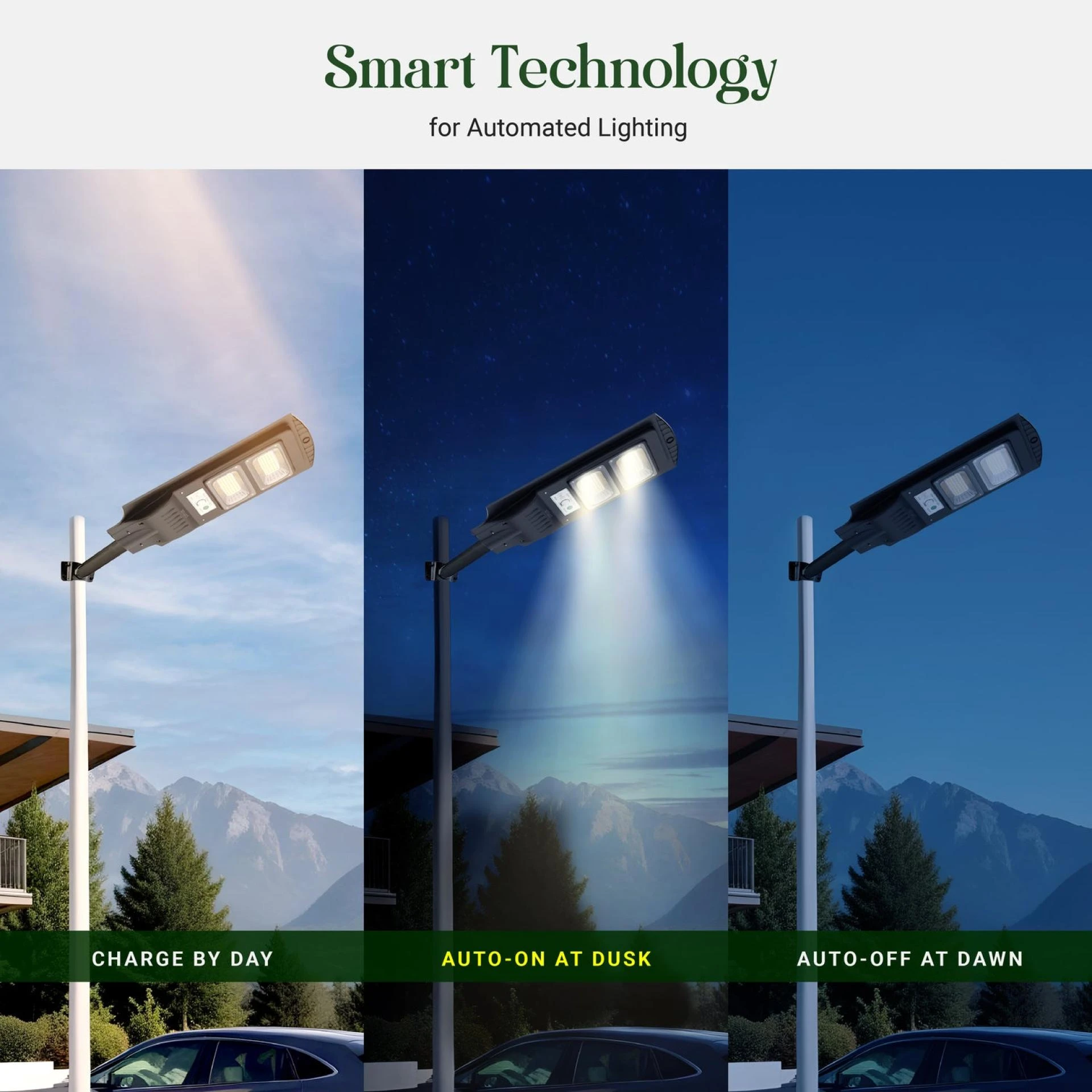
Most solar street lights also include automatic controllers that turn the lights on at dusk and off at dawn. This automation reduces the need for manual operation or monitoring.
With fewer moving parts and no electricity connections, maintenance costs are generally lower compared to traditional street lighting systems.
7. Smart Technology Integration
Many modern solar street light systems come with advanced features that enhance efficiency and performance. These may include:
- Motion sensors that adjust brightness when movement is detected
- Remote monitoring systems for maintenance tracking
- Automatic dusk-to-dawn operation
- Intelligent energy management systems
These smart features ensure optimal energy usage and extend the lifespan of the lighting system, making solar street lights an innovative solution for modern residential communities.
8. Supports Sustainable Urban Development
As cities and towns aim to adopt greener infrastructure, installing a solar street light system aligns with sustainable urban planning goals. Solar lighting reduces dependence on conventional energy sources while promoting renewable energy adoption.
Residential developers and housing societies that implement solar-powered lighting solutions also enhance the overall value and appeal of their communities. Environmentally friendly infrastructure is increasingly becoming an important factor for homebuyers and residents.
Conclusion
The installation of a solar street light system in residential areas offers numerous advantages, ranging from energy savings and environmental benefits to improved safety and reliability. With easy installation, low maintenance requirements, and independence from the power grid, solar street lighting provides a practical and sustainable solution for modern neighborhoods.
As technology continues to evolve, solar lighting systems are becoming more efficient and accessible. For residential communities looking to reduce electricity costs while supporting eco-friendly initiatives, investing in solar street lights is a smart and forward-thinking decision.