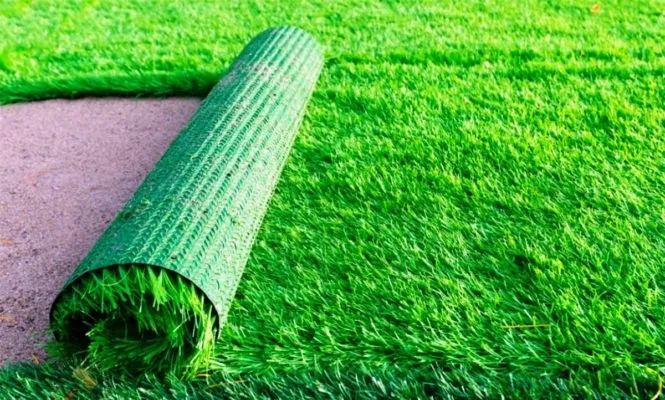
Artificial turf offers a functional, low-effort alternative to traditional grass for residential yards, commercial landscapes, and public-use areas. It eliminates the need for watering, mowing, and fertilizing—appealing to those who prioritize aesthetics without investing hours into lawn care. With advancements in turf materials, modern options now closely replicate the look and feel of real grass.
This guide breaks down how artificial turf reduces maintenance demands while aligning with environmental goals and long-term landscaping strategies.
What Makes Artificial Turf a Low-Maintenance Option
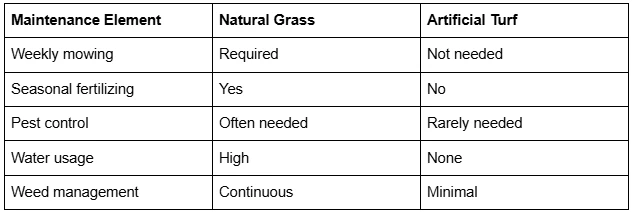
An expert landscaping and lawn care company requires far less time and effort compared to natural grass. It stays green year-round, doesn’t need weekly trimming, and eliminates common seasonal issues like brown patches and overgrowth.
No Mowing, Edging, or Trimming
Unlike sod, synthetic lawns never need blade maintenance. This removes the need for gas or electric mowers and reduces weekend upkeep for homeowners.
Reduced Weeds and Lawn Pests
The backing and compact base layers of artificial turf limit weed growth and eliminate habitats for common pests like ants or grubs.
Minimal Seasonal Adjustments
Synthetic turf does not require seasonal reseeding, fertilization, or winterization, making it a year-round solution regardless of climate conditions.
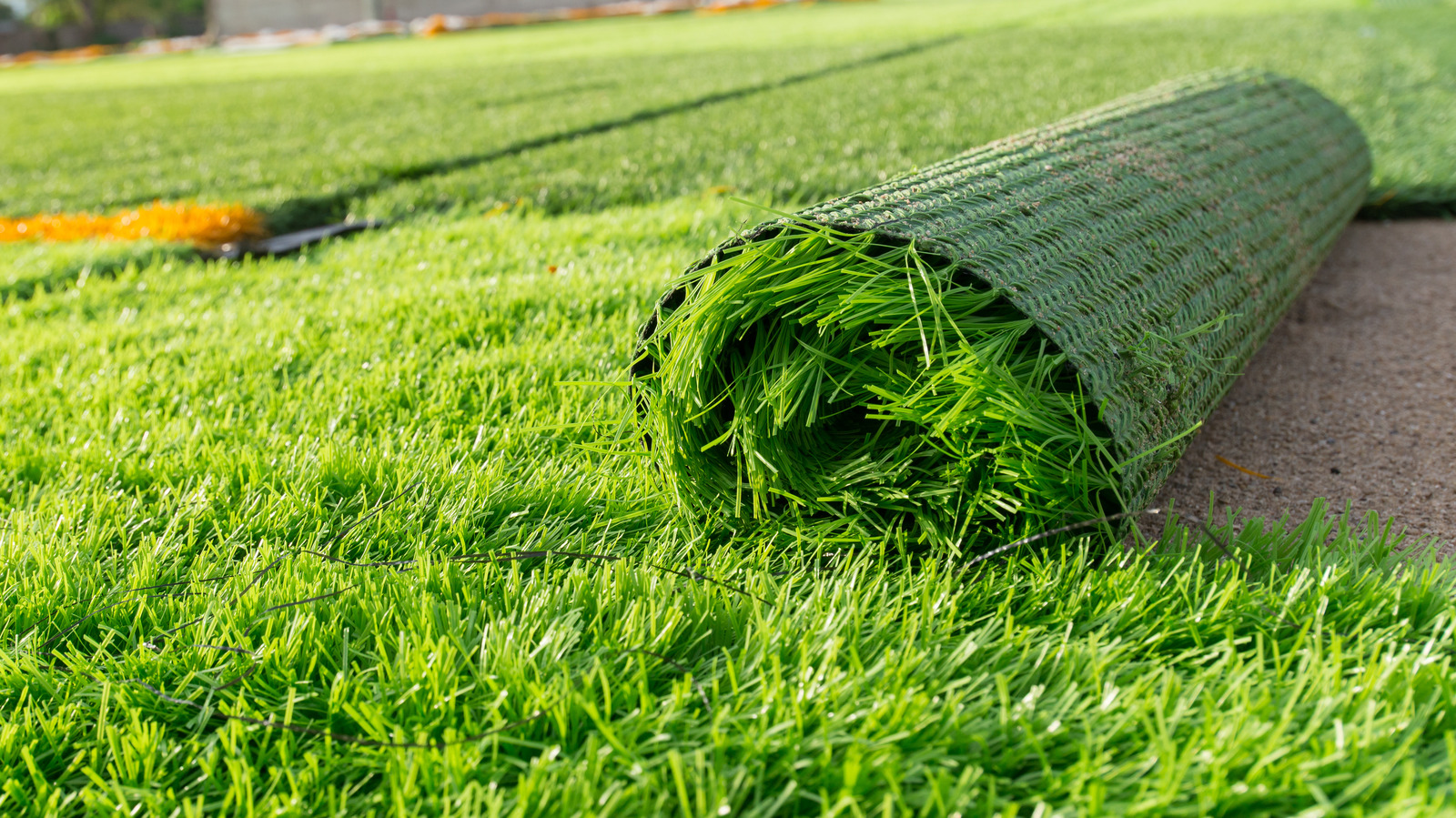
Environmental Benefits of Artificial Turf
Although not a natural material, artificial turf contributes to water conservation and limits pollution from fertilizers and fuel-powered tools.
Water Conservation
One of the most significant benefits is the drastic reduction in water use. According to EPA estimates, outdoor irrigation accounts for nearly 30% of residential water use. Synthetic turf eliminates this entirely.
No Fertilizer or Chemical Use
Artificial lawns don’t require soil additives, herbicides, or pesticides, reducing chemical runoff into local waterways.
Lower Emissions
Gas-powered mowers, trimmers, and blowers contribute to air pollution. Eliminating these from lawn maintenance routines can reduce household emissions.
Design Flexibility and Durability
Artificial turf offers design control, long-term durability, and can be installed in environments where natural grass struggles to grow.
Works in Shade or High-Traffic Areas
Synthetic grass performs well in areas where sunlight is limited or foot traffic is heavy. It doesn’t wear down into bare spots or require soil recovery.
Built to Last for Years
Modern artificial turf systems last between 10 to 20 years depending on use and quality. UV-resistant coatings help retain color and texture.
Versatile Installation Options
It can be used on rooftops, playgrounds, dog runs, or sloped terrain without the need for irrigation or deep soil preparation.
Health and Safety Advantages
Turf systems today are built with health-conscious materials, designed for child safety and pet compatibility.
Non-Toxic and Lead-Free Materials
Most modern turf products are manufactured without lead or other harmful substances, complying with safety standards.
Hypoallergenic Surface
Artificial grass doesn’t host pollen, mold spores, or common lawn allergens, improving outdoor experience for sensitive users.
Safer Play Areas
Optional infill materials and soft underlayers can be added to improve impact resistance for play zones or athletic surfaces.
Economic and Time-Saving Benefits
Artificial turf installation comes with upfront costs, but it eliminates recurring maintenance expenses and saves dozens of labor hours each year.
Long-Term Cost Savings
Without the need for fertilizers, mower fuel, irrigation systems, or weekly maintenance, property owners often recoup the cost within a few years.
Less Equipment and Labor Investment
Homeowners can eliminate the need to buy and store lawn care tools, while commercial properties reduce reliance on landscaping contracts.
Common Question: Does Artificial Turf Overheat?
Artificial turf can absorb more heat than natural grass. However, lighter-colored blades, infill selection, and adequate shading can minimize surface temperatures. For play areas, cooling infills or misting systems may be considered.
Conclusion
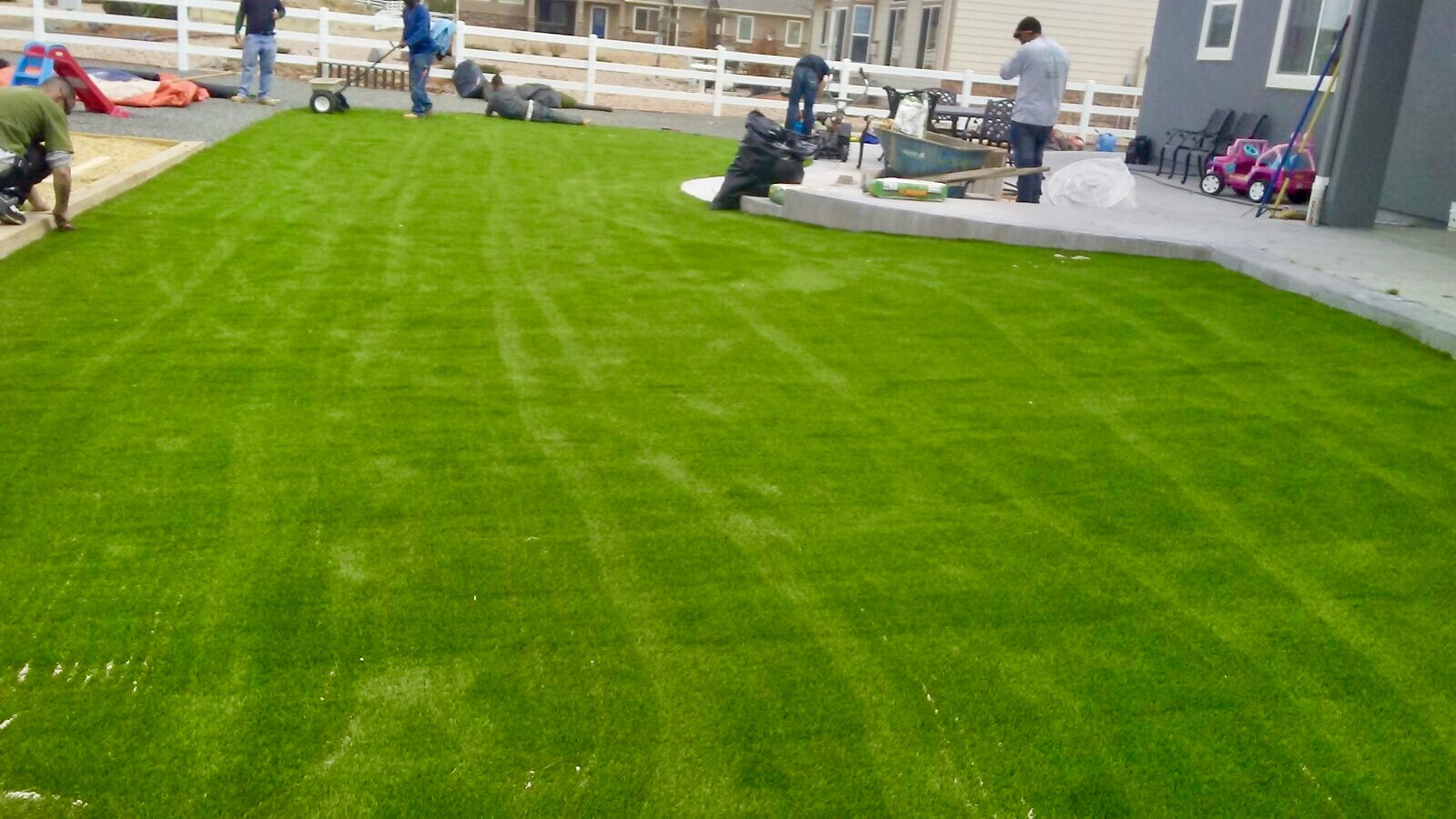
Professional artificial turf company deliver measurable benefits for property owners looking to reduce lawn maintenance, conserve water, and create year-round curb appeal. It works in high-traffic areas, shaded corners, or regions with water restrictions—all without sacrificing visual quality.
For residential lawns and commercial landscapes alike, synthetic grass presents a practical, durable, and environmentally responsible option. While the upfront installation cost may seem high, the long-term savings in time, labor, and utility bills offer a strong return on investment.
FAQs
Is artificial turf safe for children and pets? Yes, most synthetic turf products are non-toxic, free of lead, and made with materials that are safe for children and animals. Infill materials can also be selected to improve cushioning and hygiene.
How long does artificial turf last before replacement? Quality turf systems typically last between 10 to 20 years, depending on foot traffic and installation standards. UV protection and high-grade backing extend the product lifespan.
Does artificial turf drain water effectively? Yes, most turf is designed with perforated backing that allows water to pass through to a base layer, which is graded for proper drainage. This prevents pooling during storms.
Can artificial turf be installed over existing grass? No, existing grass and topsoil must be removed. A compacted base layer is required for stability, drainage, and to avoid weed growth underneath.
What maintenance is still required after installation? Periodic brushing, rinsing, and light debris removal help maintain appearance. Occasional infill top-ups and inspections keep it performing well over time.
Reviewer: Sophie Williams looked over this post and brought 7 years of field experience to her suggestions, helping ensure the content stays relevant to business owners and practical for everyday use.