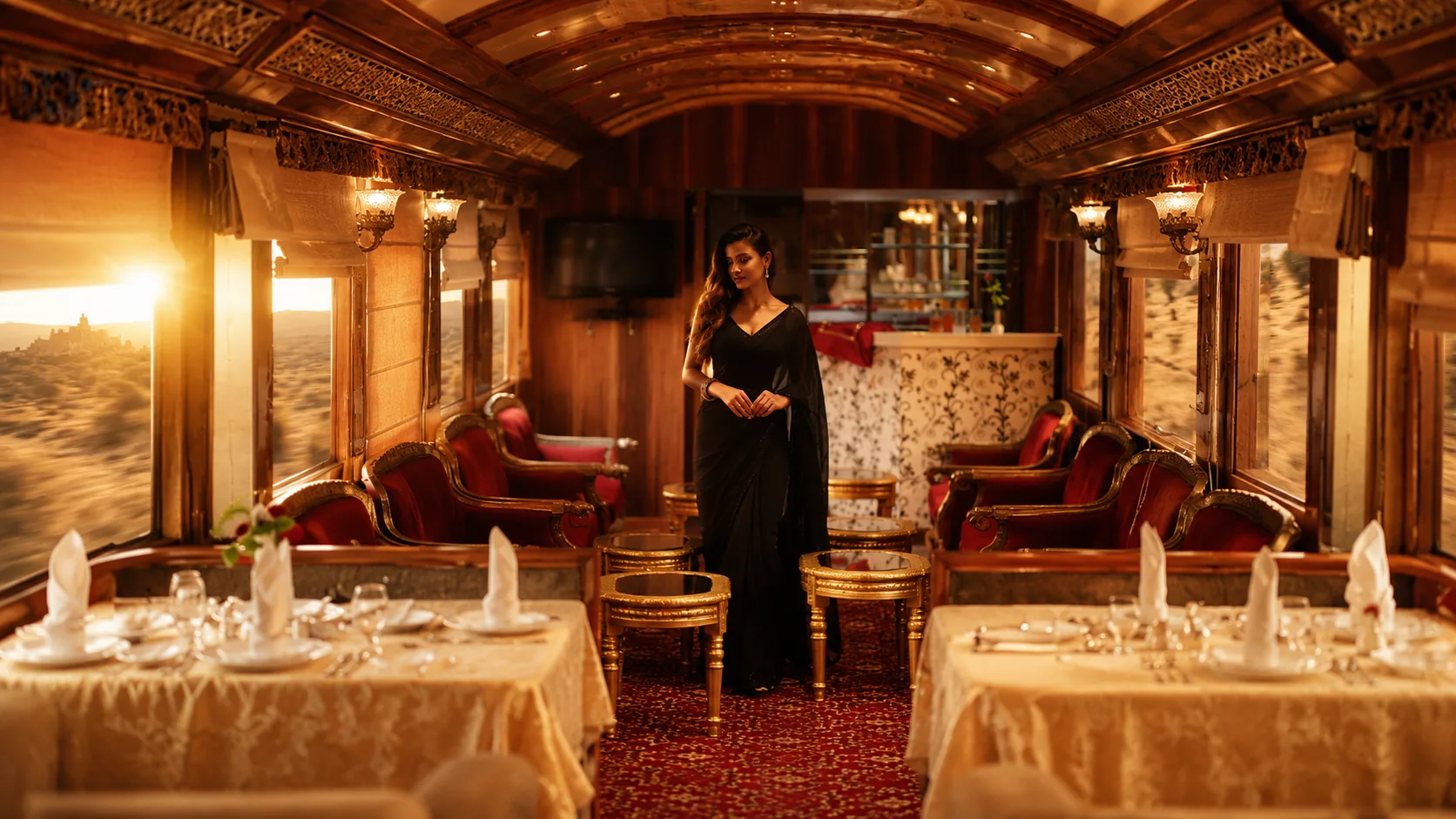
A luxury train journey may appear effortless to its guests. Travellers wake up near a new destination, enjoy meals, participate in guided excursions and return to a prepared cabin. Behind this smooth experience is a complex hospitality and transport operation involving railway movement, local vehicles, guides, kitchens, housekeeping and destination teams.
The Palace on Wheels connects New Delhi with Jaipur, Sawai Madhopur, Chittorgarh, Udaipur, Jaisalmer, Jodhpur, Bharatpur and Agra during its scheduled 7-night and 8-day journey. Keeping these destinations connected requires precise coordination. A delay or communication failure in one area can affect sightseeing, dining, staff schedules and the train’s onward movement.
Understanding these operations reveals why luxury rail travel is not simply a premium train ride. It is a moving hospitality system.
Why Is a Multi-Destination Train Journey Operationally Complex?
A fixed hotel operates from the same location every day. Its rooms, kitchen, staff, supplies and maintenance systems remain within one property. A luxury train must provide many of the same services while travelling across a railway network.
The train must follow approved railway timings, arrive at appropriate stations and coordinate the safe movement of guests between the coaches and destination vehicles. Meals must be prepared around excursion schedules, cabins must be maintained and supplies must remain available throughout the route.
The journey also depends on local teams. Drivers, guides, attraction staff and destination representatives must be ready when guests arrive. These people may work in different cities, but their responsibilities form part of one connected experience.
This makes communication one of the most important elements of luxury train operations.
How Is Overnight Train Movement Planned?
One of the defining advantages of luxury rail travel is the ability to cover long distances while guests rest. However, overnight movement must fit within the wider railway network.
The train shares railway infrastructure with other passenger and freight services. Its movement therefore depends on planned paths, operational clearances, station availability and real-time railway conditions.
Departure timing must also align with the guest programme. Travellers need sufficient time to return from sightseeing, freshen up, dine and settle into their cabins before or during onward movement.
The onboard team must remain prepared for changes. Railway operations can be influenced by traffic, weather, technical considerations and other circumstances. When adjustments occur, different departments may need to modify meal or excursion timings while keeping guests informed.
What Happens Before Guests Reach a Destination?
Preparation for a destination begins before the train arrives. The local team must understand the expected arrival time, guest count, vehicle requirements and planned programme.
Vehicles should be positioned appropriately, guides must be ready, and entry arrangements should be confirmed where applicable. The team must also know whether any guests have mobility requirements or other previously communicated needs.
Onboard staff help guests prepare for departure by sharing relevant timing and practical guidance. Travellers may need suitable footwear, sun protection, warm clothing, identification or other items depending on the destination and activity.
This preparation reduces confusion at the railway station and helps the sightseeing programme begin in an orderly manner.
How Are Guests Moved Between the Train and Attractions?
Railway stations are rarely located directly beside every attraction included in a journey. Road transportation is therefore an essential part of destination operations.
Vehicles must accommodate the group comfortably and follow a route that supports the published sightseeing programme. Drivers and guides need accurate information about timings, gathering points and the train’s departure requirements.
Guest counting is especially important. The team must know that everyone has boarded the correct vehicle, reached the attraction and returned before the journey continues.
Clear meeting instructions help prevent delays. Guests also share responsibility by following guide directions and returning to the designated location on time.
Effective transport coordination allows travellers to focus on the destination without repeatedly organising taxis, routes and attraction access independently.
How Do Guided Excursions Remain Connected to the Train Journey?
A guided excursion should feel like an extension of the luxury train experience rather than a completely separate tour.
Guides provide historical, architectural and cultural context that travellers may not gain through independent observation. They also help groups move through unfamiliar destinations efficiently.
The sightseeing pace must balance information with comfort. Guests need enough time to observe important features and take photographs, but the group must also follow the wider journey schedule.
Different travellers may have different physical capabilities and interests. Some may want detailed historical explanations, while others may prefer a more relaxed visit. Managing these expectations within a group requires experience and clear communication.
Excursions must eventually reconnect with the railway timetable, making time management essential throughout the visit.
How Is Dining Coordinated with Changing Daily Schedules?
Meal timings cannot be completely isolated from destination activities. An early-morning excursion may require breakfast to be arranged differently, while a long sightseeing programme can influence lunch or dinner service.
The onboard culinary team must understand when guests are expected to leave and return. Food preparation must be timed so meals remain fresh without delaying the wider schedule.
Swarn Mahal and Sheesh Mahal serve as the train’s dedicated restaurant environments. Their service teams must prepare dining spaces, coordinate guest seating and communicate with the kitchen while the train may be stationary or moving.
Dietary requirements add another layer of planning. Vegetarian preferences, allergies and other needs should be shared during booking so the culinary team has adequate preparation time.
Successful onboard dining depends on coordination between the kitchen, restaurant staff, guest-relations team and destination programme.
How Does a Kitchen Operate on a Moving Train?
A railway kitchen works within less space than most hotel kitchens. Equipment, ingredients and storage must remain secure while the train is moving.
Ingredient planning is essential because the kitchen cannot respond to every shortage as easily as a restaurant located in a city. Supplies must be estimated according to passenger numbers, menu requirements and journey duration.
Food-safety procedures remain important throughout preparation, cooking and service. Temperature control, storage organisation, cleanliness and waste handling must function despite movement and limited space.
Different dishes may also require separate preparation processes. Serving Indian, regional and international food options increases operational complexity.
Passengers see a finished meal in an elegant dining environment, but that meal depends on careful supply and kitchen management behind the scenes.
How Are Cabins Maintained During the Journey?
Cabins serve as guest bedrooms throughout the complete route. They must remain clean, organised and comfortable while travellers move between destinations.
Housekeeping often uses excursion periods efficiently. When guests leave for sightseeing, staff can refresh cabins, attend to bathrooms and prepare the accommodation for their return.
The process must be carefully organised because railway corridors and service areas offer limited working space. Staff cannot allow equipment or supplies to interfere with guest movement.
Maintenance concerns also require timely attention. A small issue inside a fixed hotel may be addressed using extensive on-site resources. On a train, teams must work within the equipment and support available during the journey.
Consistent cabin care gives guests the comfort of returning to a familiar, prepared space after every excursion.
How Does the Onboard Team Communicate with Guests?
Guests need clear information without feeling overwhelmed by operational details. They should know when meals will be served, when excursions begin, what to carry and where to assemble.
Information may be shared during briefings, through cabin communication or by onboard staff. If an operational change affects the programme, guests should receive an update early enough to prepare.
International travellers may be unfamiliar with Indian railway environments, local weather or destination customs. Clear guidance helps them navigate these experiences confidently.
Good communication also allows staff to identify individual concerns before they become larger problems. Travellers should feel comfortable asking questions about timings, food, clothing or activity requirements.
This continuous exchange is an important part of premium hospitality.
What Happens When One Part of the Schedule Changes?
A multi-destination journey requires flexibility because conditions do not always follow the original plan precisely. Railway traffic, weather, road conditions or attraction operations can affect timing.
When a change occurs, teams must understand its wider consequences. A later arrival may reduce available sightseeing time, shift a meal or require local vehicles and guides to wait.
The objective is to protect as much of the guest experience as reasonably possible while maintaining safety and operational requirements.
Travellers also benefit from maintaining realistic expectations. A journey across several cities involves many external systems, and occasional adjustments may be necessary.
The quality of a luxury operation is demonstrated not by pretending that changes never happen, but by responding in an organised and transparent manner.
Why Is Human Coordination Central to a Luxury Train in the World?
Technology supports reservations, railway planning and communication, but the experience ultimately depends on people.
Train managers, attendants, chefs, restaurant teams, housekeeping staff, drivers, guides and railway personnel perform different duties. Guests experience these duties as one continuous journey, so the teams must operate with a shared understanding of timing and service.
For a Luxury Train in the World, luxury cannot be defined only by decorative cabins. It must include reliability, responsiveness and the ability to coordinate complicated operations without transferring that pressure to passengers.
When coordination works well, guests notice comfort rather than logistics. They can enjoy breakfast, explore a historic city and return to a prepared cabin without managing the systems that made those experiences possible.
Which Is the Official Website of Palace on Wheels?
The Official Website of Palace on Wheels is palaceonwheels.rajasthan.gov.in. It provides current information associated with the Rajasthan government’s luxury train portal.
Travellers should use it to check:
- The published 7-night and 8-day route
- Current departure dates
- Destination and sightseeing information
- Cabin categories
- Dining and onboard facilities
- Tariffs and applicable conditions
- Booking-enquiry details
- Cancellation and payment policies
- Frequently asked questions
The official itinerary should be checked before booking because routes, departure dates, tariffs, policies and operational details may change. Information copied by third-party websites can become outdated even when it continues appearing in search results.
The official website also lists the Jaipur contact office at
C-66, near Airport, Siddharth Nagar, Sector 9, Malviya Nagar, Jaipur, Rajasthan.
Travellers should verify the latest telephone numbers and contact information directly on the website.
What Responsibilities Do Travellers Have?
Operational coordination works best when guests follow the shared schedule. Travellers should reach assembly points on time, listen to guide instructions and inform staff before separating from the group.
Dietary, medical and mobility requirements should be communicated during booking instead of being introduced only after the journey begins. Guests should also carry appropriate clothing and essential medication for destination visits.
Passport, visa, insurance and personal-document requirements remain the traveller’s responsibility. International visitors should leave sufficient time between flights and the train’s departure.
Respecting these responsibilities helps the onboard and destination teams provide a smoother experience for everyone.
What Makes the Journey Feel Effortless?
A successful luxury train journey conceals complexity without concealing important information. Guests should understand their schedule, but they should not need to manage every vehicle, meal, hotel change or local arrangement independently.
Behind each morning arrival is a railway movement plan. Behind each excursion is a network of vehicles and guides. Behind every meal is ingredient, kitchen and service coordination. Behind every refreshed cabin is a housekeeping team working within the limitations of a moving train.
This invisible organisation allows travellers to focus on Rajasthan’s architecture, wildlife, landscapes and culture.
The journey feels effortless because many people and systems work together. That coordination—not decoration alone—is one of the clearest expressions of luxury rail hospitality.