Real estate has long been viewed as a stable investment option, yet participation has often required significant capital, long holding periods, and complex legal processes. For many investors, purchasing an entire property has been financially difficult, especially in high-value markets. Over the past few years, blockchain-based asset digitization has introduced a different approach that allows property ownership to be divided into smaller digital units. This approach is commonly referred to as Real Estate Tokenization.
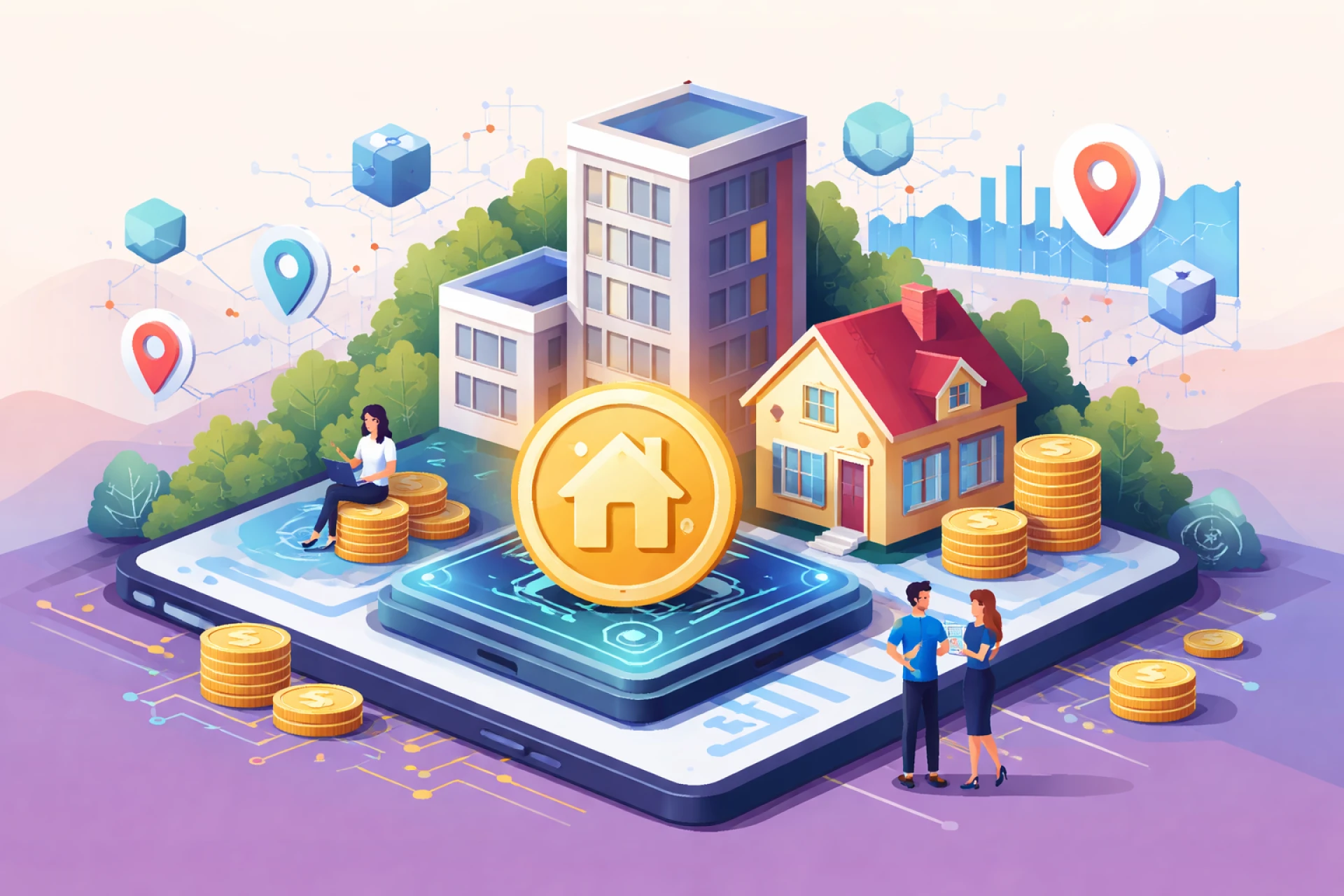
Real Estate Tokenization refers to the process of converting ownership rights of a physical property into digital tokens on a blockchain network. Each token represents a fraction of the asset, allowing multiple investors to own portions of the same property. Instead of purchasing an entire building or apartment complex, investors can buy smaller shares and participate in the real estate market with lower capital.
The idea of fractional property investment has existed in various forms for years, but blockchain technology has added efficiency and global accessibility to the concept. Through real estate asset tokenization, property ownership records can be digitized, investment participation can expand, and property markets can reach investors beyond traditional geographic limitations.
This guide explains how Real Estate Tokenization works, the role of development platforms, the advantages for investors and property owners, and how businesses work with a Real Estate Tokenization Development company to launch digital property investment ecosystems.
Understanding Real Estate Tokenization
Real Estate Tokenization is the digital representation of property ownership using blockchain tokens. In this model, the value of a real estate asset is divided into multiple tokens, and each token represents a portion of ownership in that property.
For example, consider a commercial property valued at $10 million. Instead of selling the entire property to one investor, the asset can be divided into 1 million digital tokens worth $10 each. Investors can purchase these tokens based on their financial capacity.
Ownership rights linked to these tokens may include profit sharing, rental income distribution, or appreciation in property value. These rights are typically governed by smart contracts, which automatically manage transactions and ownership rules.
Real estate asset tokenization therefore creates a system where property ownership is fractional, digital, and recorded on blockchain networks.
A Real Estate Tokenization company typically assists property owners, investment firms, and startups in converting physical assets into tokenized investment products.
What Is Fractional Property Investment?
Fractional property investment refers to a model where multiple investors share ownership of a real estate asset. Instead of buying an entire property, investors purchase smaller portions of it.
This concept existed earlier through mechanisms such as real estate investment trusts (REITs) and property syndications. However, tokenization introduces digital ownership units that can be transferred more efficiently.
Through Real Estate Tokenization Platform Development, digital tokens represent ownership stakes in a property. Investors hold these tokens in digital wallets, and their ownership is recorded on the blockchain ledger.
Fractional investment allows individuals with smaller capital to participate in property markets that were previously dominated by institutional investors or high-net-worth individuals.
How Real Estate Tokenization Works
The process of Real Estate Tokenization involves several technical, legal, and financial steps. These steps ensure that the property is legally linked to digital tokens and that investors receive legitimate ownership rights.
Property Identification and Valuation
The first stage involves selecting the property to be tokenized. Property developers, real estate firms, or asset managers identify a suitable asset such as residential apartments, office spaces, hotels, or industrial buildings.
A valuation process determines the market price of the property. This valuation is essential because it defines how the asset will be divided into digital tokens.
Legal Structuring
Before tokens can represent ownership, the legal structure must support fractional investment. In many cases, the property is placed under a special purpose vehicle (SPV). The SPV represents the legal owner of the property, while investors hold tokens linked to shares in that entity.
Legal compliance varies across jurisdictions, which is why many companies rely on Real Estate Tokenization Development Services to integrate regulatory frameworks into their platform.
Token Creation
Once the legal structure is finalized, digital tokens are created on a blockchain network. Each token represents a fractional ownership portion of the property.
These tokens are issued through a tokenization platform, often developed by a Real Estate Tokenization Development company that integrates blockchain protocols, smart contracts, and digital asset management tools.
Investor Participation
Investors can purchase tokens through an online investment portal connected to the tokenization platform. The platform manages investor registration, compliance verification, and token allocation.
Once purchased, tokens are stored in digital wallets controlled by the investors.
Income Distribution
Rental income generated by the property can be distributed to token holders based on the number of tokens they own. Smart contracts automate this process and record transactions on the blockchain ledger.
Role of Blockchain in Real Estate Tokenization
Blockchain technology plays an important role in Real Estate Tokenization because it maintains a distributed record of transactions and ownership.
In traditional property investment systems, ownership records are stored in centralized databases or government registries. These records often require manual verification and multiple intermediaries.
Blockchain networks maintain a shared ledger that records each token transaction. Every change in ownership is recorded chronologically and cannot be altered without consensus across the network.
Real estate tokenization development platforms integrate blockchain infrastructure to manage token issuance, trading, and investor records.
These systems support digital ownership tracking and allow investors to verify their holdings through secure digital wallets.
Benefits of Real Estate Tokenization for Investors
Real Estate Tokenization introduces several advantages for investors who want exposure to property markets but prefer flexible investment structures.
Lower Investment Barriers
One of the most noticeable advantages is the reduction in minimum investment requirements. Instead of purchasing an entire property, investors can buy smaller token units representing fractional ownership.
This allows individuals with limited capital to participate in real estate investment opportunities.
Portfolio Diversification
Tokenized property investments allow investors to distribute their capital across multiple assets. Instead of allocating funds to a single property, investors can hold tokens representing different properties across locations and sectors.
Diversification reduces risk and allows investors to build broader real estate portfolios.
Access to Global Markets
Real estate tokenization platforms allow investors to participate in international property markets. Investors can purchase tokens representing assets located in other countries without physically visiting those markets.
Real Estate Tokenization Services often include cross-border investment features that support international participation.
Automated Income Distribution
Rental revenue generated by tokenized properties can be distributed automatically through smart contracts. These contracts allocate income based on the number of tokens held by each investor.
Automated distribution reduces administrative complexity in property management.
Benefits for Property Owners and Developers
Real estate tokenization does not only benefit investors. Property owners, developers, and asset managers also gain advantages from digitizing property ownership.
Access to Broader Investor Pools
Tokenized assets attract investors from multiple regions. Developers can raise capital from global investor communities rather than relying only on local markets.
A Real Estate Tokenization company typically assists property owners in structuring token offerings and managing investor onboarding.
Efficient Capital Raising
Tokenization provides an alternative method for raising funds. Instead of selling entire properties or relying solely on bank financing, developers can sell fractional ownership units to investors.
This method supports real estate projects that require diversified funding sources.
Digital Asset Liquidity
Traditional real estate transactions often involve lengthy sale processes. Tokenized property ownership allows fractional shares to be traded on digital asset marketplaces where regulations permit.
Real Estate Tokenization Platform Development focuses on integrating secondary trading mechanisms that support investor transactions.
Technology Behind Real Estate Tokenization Platforms
Real Estate Tokenization platforms combine several technologies that manage property digitization and investor participation.
Blockchain Infrastructure
Blockchain networks record token issuance and ownership transfers. Popular blockchain platforms used in tokenization include Ethereum, Polygon, and other smart contract networks.
These networks provide programmable transaction systems that support token standards and smart contracts.
Smart Contracts
Smart contracts are automated programs that execute predefined rules. In tokenized real estate platforms, smart contracts handle token distribution, rental income allocation, and ownership transfers.
Investor Portals
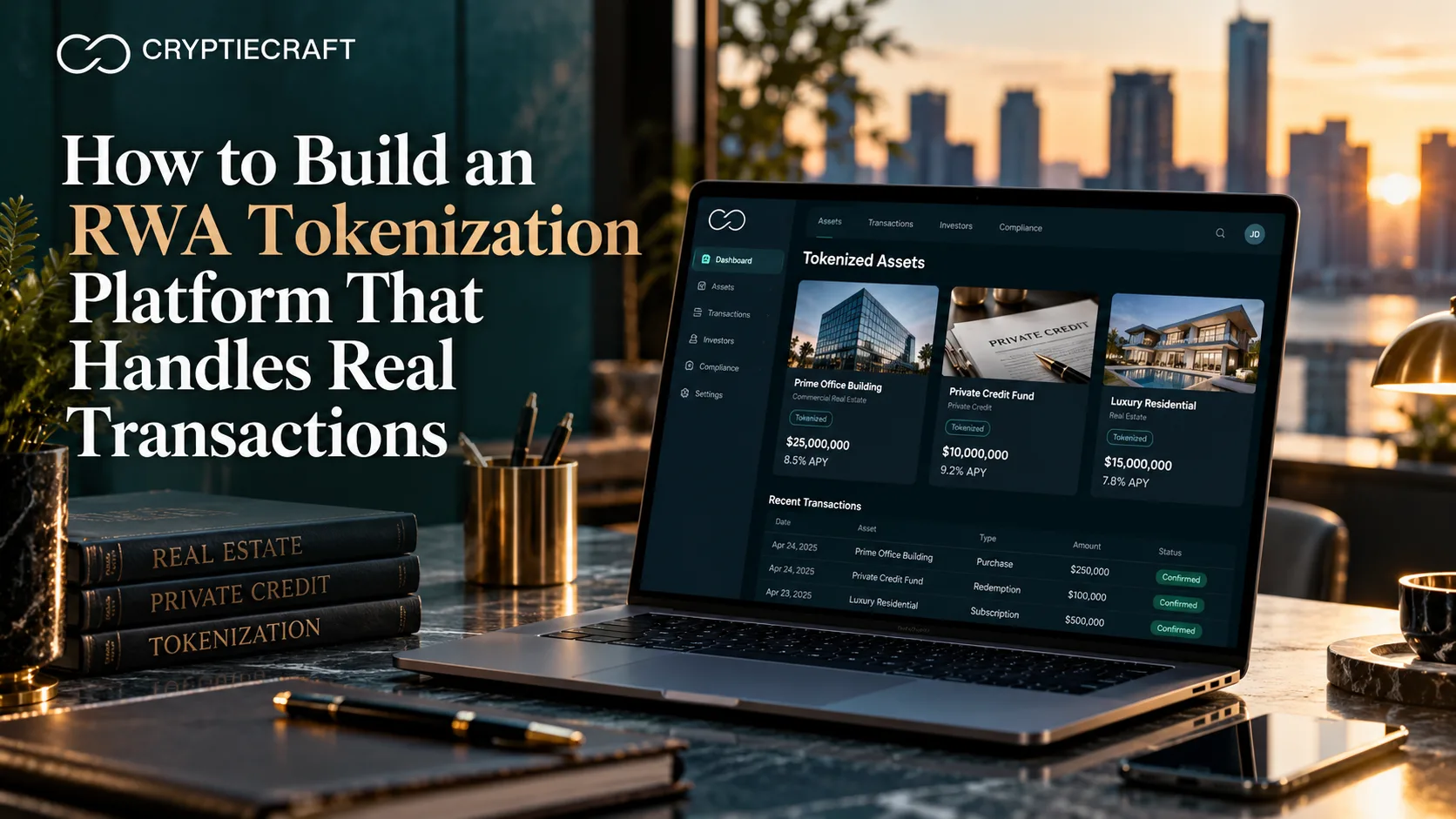
Tokenization platforms include digital dashboards where investors can register accounts, complete identity verification, and purchase property tokens.
Investor portals also display portfolio information, transaction records, and income distribution reports.
Compliance Systems
Real estate investment regulations require identity verification, anti-money laundering checks, and investor eligibility verification.
Real Estate Tokenization Development Services typically include compliance modules that perform these checks before investors participate in token purchases.
Steps to Launch a Real Estate Tokenization Platform
Organizations planning to digitize property assets typically follow a structured development approach.
Market Research and Asset Selection
Companies identify property assets that have potential investor interest. These assets may include residential properties, commercial buildings, hotels, or mixed-use developments.
Legal Framework Design
Legal advisors define ownership structures that support tokenized investment. The property is often managed through corporate entities that link digital tokens with legal ownership rights.
Platform Development
A Real Estate Tokenization Development company develops the technology platform used for token issuance and investment management.
This stage includes blockchain integration, smart contract programming, investor portal development, and asset management dashboards.
Token Offering
Once the platform is operational, tokens representing the property are offered to investors through a digital investment portal.
Investor onboarding processes include identity verification and regulatory compliance checks.
Platform Maintenance
After token issuance, the platform continues to manage investor transactions, rental income distribution, and ownership records.
Real Estate Tokenization Development Services may include platform upgrades, security audits, and technical support.
Challenges in Real Estate Tokenization
Despite its advantages, Real Estate Tokenization also faces several challenges.
Regulatory Uncertainty
Property tokenization operates within financial and securities regulations that vary across jurisdictions. Some countries classify tokenized assets as securities, requiring strict compliance.
Investor Education
Many investors are still unfamiliar with blockchain-based investment models. Platforms must provide clear explanations about token ownership, digital wallets, and blockchain transactions.
Technology Integration
Developing a tokenization platform requires expertise in blockchain programming, smart contracts, and cybersecurity. Companies often partner with specialized Real Estate Tokenization Development companies to address these technical requirements.
Future Outlook for Real Estate Tokenization
Interest in real estate asset tokenization continues to grow as property markets and financial technology sectors converge. Financial institutions, property developers, and technology firms are increasingly studying the potential of blockchain-based real estate investment.
Digital property ownership models may expand into various asset categories, including residential complexes, office buildings, hospitality assets, and infrastructure projects.
Real Estate Tokenization Platform Development is also evolving with improvements in blockchain infrastructure, regulatory frameworks, and digital asset trading ecosystems.
As more investors and institutions participate in tokenized property markets, fractional ownership models are likely to become more familiar in global real estate investment discussions.
Conclusion
Real estate investment has traditionally required substantial financial commitment and long holding periods. The introduction of Real Estate Tokenization introduces an alternative approach where property ownership can be divided into digital tokens and distributed among multiple investors.
Through real estate asset tokenization, individuals gain access to fractional property investment opportunities, while developers and property owners gain access to wider investor networks.
The process involves legal structuring, token creation, blockchain integration, and investor participation through digital platforms. Organizations interested in digitizing property assets often collaborate with a Real Estate Tokenization Development company to design and operate investment platforms.
Real Estate Tokenization Services support various aspects of this ecosystem, including platform development, compliance systems, and digital asset management.
While regulatory and technological challenges remain, tokenized property investment continues to gain attention across financial markets. As blockchain infrastructure and digital asset platforms evolve, Real Estate Tokenization may become an increasingly recognized approach for fractional property ownership and investment participation.