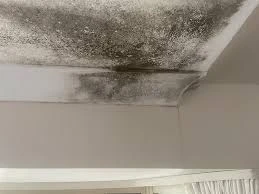
Your bedroom should be a space for rest and relaxation, but for many UK households, bedroom mould mites can turn it into a source of discomfort. These microscopic pests thrive in damp, mouldy conditions, feeding on mould spores and multiplying rapidly.
If left untreated, mould mites can worsen allergies, disturb sleep, and contribute to ongoing health issues. This guide explains what bedroom mould mites are, why they appear, and how to remove them effectively for good.
What Are Bedroom Mould Mites?
Mould mites (Tyrophagus putrescentiae) are tiny insects that feed on mould and fungal growth. While they do not bite or sting, their presence usually indicates a larger issue—mould growth within the bedroom.
They are commonly found in:
- Walls and ceilings affected by damp or condensation
- Carpets and rugs that retain moisture
- Mattresses and bedding exposed to mould spores
- Wardrobes where clothing or shoes have developed mildew
Read also: Mould remediation services
Why Do Mould Mites Appear in Bedrooms?
Bedrooms are especially prone to mould mites due to several factors:
- Poor ventilation: Closed windows trap moisture indoors
- Condensation: Moisture from breathing during sleep increases humidity
- Damp walls: Common in older UK properties with limited insulation
- Hidden leaks: Pipes behind walls or ceilings can encourage unseen mould growth
Where mould develops, mould mites are likely to follow.
Read also: How fast can mould grow?
Health Risks of Bedroom Mould Mites
Although mould mites don’t bite, they can still have a significant impact on health:
- Allergic reactions: Sneezing, itchy eyes, skin irritation, and runny nose
- Asthma flare-ups: Mould spores and mites can worsen respiratory symptoms
- Sleep disruption: Continuous exposure can lead to fatigue and poor-quality sleep
The NHS warns that exposure to mould can be particularly harmful for children, older adults, and those with existing respiratory conditions.
Signs You May Have Bedroom Mould Mites
Common indicators include:
- A persistent musty smell in the bedroom or bedding
- Visible mould on walls, ceilings, or furniture
- Fine white dust around mouldy areas (clusters of mites)
- Worsening allergy symptoms when spending time in the bedroom
How to Get Rid of Bedroom Mould Mites
Eliminating mould mites requires addressing both the mites and the mould they rely on.
Step 1: Remove Visible Mould
- Clean affected surfaces using white vinegar or a specialist anti-mould cleaner
- For severe infestations, consider professional mould removal services
Step 2: Improve Ventilation
- Open windows daily or use trickle vents
- Install an extractor fan if moisture levels remain high
Step 3: Control Humidity
- Use a dehumidifier to keep indoor humidity below 50%
- Avoid drying clothes in the bedroom
Step 4: Deep Clean Soft Furnishings
- Wash bedding at 60°C to kill mould spores
- Vacuum carpets and mattresses using a HEPA-filter vacuum
- Replace mattresses if contamination is extensive
Read also: How to stop mould in a house
Real-Life Example
Emma, a university student in Leeds, experienced constant sneezing and itchy eyes in her rented bedroom. After discovering mould mites on her windowsill and carpet, she cleaned the affected areas with vinegar and began using a small dehumidifier. Within a few weeks, her symptoms improved, and she was finally able to sleep comfortably again.
Prevention Tips
To prevent mould mites from returning:
- Keep furniture slightly away from walls to improve airflow
- Insulate cold walls to reduce condensation
- Regularly check behind wardrobes and under beds for hidden mould
- Clean monthly with vinegar to discourage mould regrowth
Read also: How to remove mould from fabric
Conclusion
Bedroom mould mites are more than a minor annoyance—they’re a clear warning sign of underlying mould issues that can affect your health and sleep quality. The most effective approach is prevention: reduce humidity, improve ventilation, and act quickly at the first sign of mould.
By tackling mould at its source, you’ll eliminate mould mites and create a healthier, more comfortable environment for rest and recovery.