
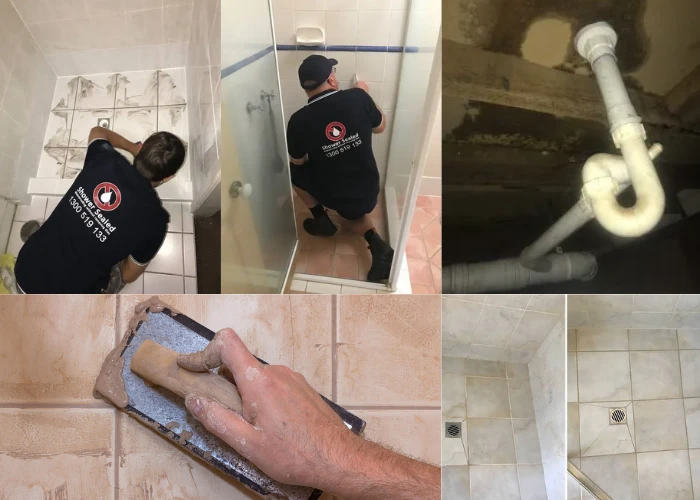
A bathroom renovated a couple of weeks ago looks stunning, but for unknown reasons it starts showing signs of wear and tear within a matter of months. Chipping issues arise, and then there is the issue of discoloured shower grout, and both spoil the area's overall look and beauty. The worst disappointment is that the money you had invested is all wasted. This is primarily because homeowners don't pay attention to small decisions during a shower or bathroom renovation, and the consequences become apparent later.
These decisions affect how long the tiles will last and for how long you will not require shower regrouting services. A fact about these services is that they are not just for cosmetic reasons, but actually, they play a major role in preventing water damage, mould growth, and reducing maintenance headaches. We have covered some common bathroom renovation mistakes that significantly affect the life of grout around the shower.
IGNORING PROPER SURFACE PREPARATION
The foundation of durable grout begins long before the shower regrouting starts. You have to start before the first tile goes down. A major mistake committed in this situation is ignoring the importance or seriousness of proper surface preparation. This will surely result in cracking grout, and eventually, you will have to go for shower regrouting services. Even minor dust, grease, leftover adhesive, dampness, etc., can compromise adhesion.
This problem is more pronounced in Australian bathrooms, where the environment is already humid. Without proper substrate sealing, moisture can easily penetrate the grout lines. This is why experts of shower regrouting services consistently stress that sanding, cleaning, priming, and overall preparation of the surface is critical before going for shower regrouting services.
USING THE WRONG GROUT TYPE FOR SHOWER REGROUTING
Not all grout types are equal in terms of quality and life. Some shower renovation professionals and plumbers stick to standard cement-based grout because it is cheaper and readily available. But it is also a fact that these grouts are not suitable for every bathroom and particularly for areas that experience more moisture and wetness, like showers, etc. Epoxy- and polymer-enhanced grouts are very effective at resisting water and stains. It has been observed that shower regrouting done using epoxy grout maintains the integrity for 3 or 4 years in the same condition.
This is where UltraBond grout becomes very useful, as it restores lateral support by sealing the edges and reinforcing tile connections. UltraBond grout lasts for decades rather than years, but the stipulation is that shower regrouting services must be availed from an expert technician.
This grout is also known for maintaining its colour stability and for smartly handling issues like tile movement, hairline cracks, and premature tile failure. Soap scum and hard water deposits remain on the surface rather than soaking in. This allows homeowners to –
● Choose lighter grout colours without fear
● Maintain appearance with simple cleaning
● Avoid frequent resealing
When Ultrabond Regrouting Makes the Most Sense?
UltraBond grout suits most tiled showers, particularly where –
● Tiles remain intact
● Leaks originate from grout lines
● Renovation budgets are limited
● Downtime must stay minimal
This grout does not suit showers with structural damage, failed membranes, or extensive tile movement.
OVERLOOKING TILE MOVEMENT
Bathrooms are dynamic environments, and every material there is affected by humidity, water, and moisture. For example, timber floors will expand, walls will flex, and the tiles will shift due to temperature and moisture. Shower plumbing professionals who forget this and ignore movement joints during shower regrouting services are more likely to experience premature grout cracking.
Movement Joints – sometimes called 'Expansion Joints' are easy to install, but they are frequently skipped. Even a minor gap left unaddressed can develop into a wide crack in a very short time, particularly if your shower sees more traffic than average.
SKIPPING ON SEALING
Sealing the grout is non-negotiable, but some shower plumbers skip it or don't pay attention to its consistency. This sealing is very important, as it creates a water-resistant barrier that prevents moisture penetration, mould growth and staining. This becomes very important for bathrooms in Australia, where humid climate conditions are always an enemy of the grout.
PROFESSIONAL TIP – reapplying sealant every 18 months can provide better protection to the grout applied for shower regrouting. This simple step should not be skipped, as it is the fastest and easiest way to maintain the grout and prevent water leakage.
CSIRO recommends sealing grout in wet areas to prevent mould and structural damage (CSIRO, 2022).
RUSHING THE INSTALLATION
One major problem with shower regrouting services is that plumbers and renovators often rush the process due to time pressure. This is a major mistake and should not be made at all, as grout needs time to set properly. Usually, it should rest for at least 48 hours before direct water exposure, but homeowners and inexperienced plumbers often skip this step entirely. As a result, the grout remains soft and crumbling, and it erodes prematurely. A well-cured grout bed ensures longevity and will reduce the need for premature shower regrouting.
INCONSISTENCY IN MIXING AND APPLYING
Mixing grout incorrectly is surprisingly common during shower regrouting services, and this also happens due to time pressure or rushing things up. The water-to-grout ratio that is too high will weaken the final product. Similarly, a low ratio will reduce workability and adhesion. The fact is that even professional-grade shower regrouting will fail if mixing and application remain inconsistent. Properly mixed and adequately applied grout, using proper tools and techniques, will eliminate issues like shrinking, cracking, etc.
Note – Attention to detail saves a lot of time and money for homeowners.
IGNORING VENTILATION
Ventilation is very important to keep grout dry and free of mould and mildew. In fact, it affects grout's durability more than anything else. Bathrooms without adequate airflow will retain moisture, and this will result in mould growth and premature grout breakdown. Therefore, your bathroom must have exhaust fans, windows, or dehumidifiers to extend the life of the grout used during shower regrouting services.
Professional shower regrouting services combine expertise, the right materials, the right tools, and a proper understanding of the process. This means you can easily avoid common errors and enjoy a flawless, beautiful bathroom for years. We have covered some frequently asked questions related to shower regrouting services in the segment below.
HOW OFTEN SHOULD I RESEAL MY SHOWER GROUT?
● Typically every 12–18 months.
● This depends on usage and local humidity levels.
CAN I USE STANDARD CEMENT GROUT IN MY SHOWER?
● Cement grout is perfectly suitable for dry areas.
● Epoxy or polymer-enhanced grouts are better for wet environments.
● UltraBond grout is best for most tiled showers, particularly where:
● Tiles remain intact
● Leaks originate from grout lines
● Renovation budgets are limited
● Downtime must stay minimal
WHY IS MY NEW GROUT CRACKING ALREADY?
● Cracks occur from poor surface preparation, movement of tiles, or incorrect mixing/application.
CAN DIY REGROUTING LAST AS LONG AS PROFESSIONAL WORK?
● DIY can last with proper techniques.
● Professional services ensure materials, movement joints, and sealing are correctly handled.
WHAT IS THE FASTEST WAY TO MAINTAIN GROUT'S LONGEVITY?
● Ensure proper sealing, ventilation, and gentle, regular cleaning.