
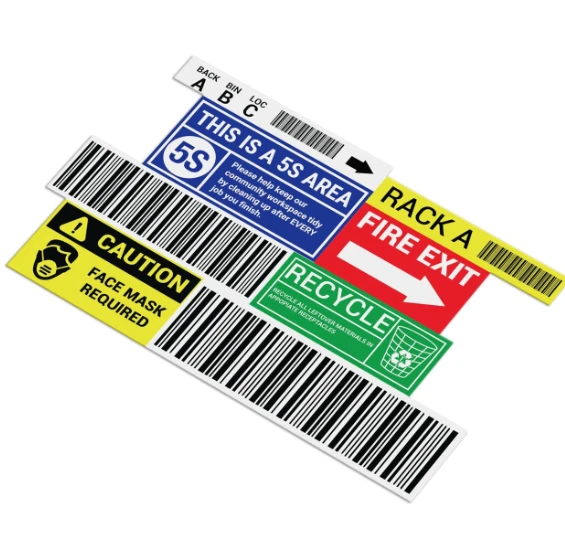
Keeping track of products, shipments, tools, or inventory can get messy fast—especially in busy operations where speed and accuracy matter. One of the simplest ways to stay organized and efficient is by using barcode labels. They may look like a few lines and numbers, but those little labels carry big value. Whether you're running a warehouse, managing a retail space, or handling equipment in the field, barcode labels help make sense of the chaos.
This blog explains how these labels improve tracking, support inventory control, and contribute to smoother day-to-day operations.
What Are Barcode Labels?
Barcode labels are printed tags or stickers that contain a machine-readable code—usually in the form of black lines, spaces, and numbers. These codes represent data that can be instantly scanned by barcode readers or mobile devices.
Instead of entering information manually, a simple scan retrieves or logs all relevant details about a product, item, or asset. This not only saves time but also cuts down on human error.
Barcode labels are used across industries, from logistics and manufacturing to healthcare, retail, and education. They help workers, managers, and systems stay in sync.
Why Use Barcode Labels in the First Place?
Manual systems often fall short in busy or growing businesses. Tracking inventory on paper or using spreadsheets creates delays, errors, and confusion. Items can get lost, miscounted, or shipped incorrectly.
Barcode labels offer a better way. Here’s why they work:
● Fast Data Capture
A barcode scan takes seconds. No typing, no guesswork.
● Reduced Errors
Mistakes are less likely because scanning pulls exact data every time.
● Real-Time Tracking
Updates happen instantly, improving inventory accuracy.
● Efficiency Boost
Staff spend less time searching, sorting, or correcting mistakes.
● Easy Integration
Most inventory and warehouse systems support barcode scanning out of the box.
Improving Inventory Flow With Barcode Labels
Inventory flow refers to how goods move into, through, and out of a facility. When this flow is smooth, orders are fulfilled faster, stock levels are accurate, and downtime is reduced.
Here’s how barcode labels improve this process:
1. Faster Check-Ins and Check-Outs
When products arrive or leave, a quick scan updates the inventory system in real-time. No clipboards, no typing—just scan and go.
2. Easier Cycle Counts
Barcode scanning makes routine stock checks faster and less disruptive to operations. Workers can count and scan items on the go, without shutting down aisles or sections.
3. Better Accuracy in Picking and Packing
Barcode verification ensures the right items are picked, packed, and shipped. This cuts down on customer complaints and returns.
4. Automated Reordering
With accurate data, reorder points are triggered automatically, helping avoid stockouts or overstocking.
Best Practices for Using Barcode Labels
Using barcodes effectively isn’t just about printing and sticking. It takes some planning and good habits.
1. Label Placement Matters
Put labels where they can be scanned easily without needing to twist, tilt, or move heavy objects.
2. Test Before Printing in Bulk
Run test scans to make sure the code reads cleanly under the lighting and conditions where it will be used.
3. Use the Right Material
Choose label stock that matches your environment. A paper label on an oily surface or in a freezer won’t last.
4. Keep Your Database Clean
The label only works, as does the system behind it. Make sure your product or asset database is up to date.
5. Train Your Staff
Even the best labels won’t help if people don’t know how to use them. Train staff on scanning procedures and label care.
The Cost vs. Value Question
Printing and applying barcode labels come with a small cost. But the return is often much higher—especially in tterms of ime savings, error reduction, and better control over stock. Think about the time it takes to find a missing item. Or the cost of reshipping an incorrect order. Or the penalties for losing track of regulated items. Barcoding helps prevent all of that. In many businesses, the cost of ignoring barcode labeling is far greater than the cost of using it.
When to Review or Update Your Labeling System
Even if you already use barcodes, it’s worth reviewing your setup if:
● You’ve expanded your inventory
● You’re switching to a new system
● Labels are fading or falling off
● Errors are still slipping through
● Staff are reporting scanning issues
A quick audit can reveal where improvements can be made—whether it’s upgrading materials, tweaking placement, or retraining your team.
Final Thoughts
Barcode labels aren’t flashy—but they work. They improve tracking, reduce confusion, and help your inventory move efficiently from one step to the next. They’re simple to implement and easy to maintain. And when used correctly, they bring a level of control and accuracy that manual systems just can’t match. If you’re dealing with stock errors, delays, or missing items, the solution might be as simple as a better label.