
The current digital-first working environment presents an organization with an unending challenge of how to enhance productivity without losing the trust of employees. With the growing popularity of remote work and hybrid work, corporations are increasingly resorting to employee monitoring software to obtain insights into daily operations. The benefits of such tools are obvious, but they should be introduced carefully so that they would not violate personal privacy and ethics in the workplace.
Employee surveillance software gives good information on the use of work hours. Managers can see what applications use, how long each employee spends on the task, and when they are most efficient. This assists in determining the bottlenecks, redistribution of workloads, and where employees might be struggling in silence. In this competitive world where time is of essence, this type of data is no longer a luxury, it is a necessity.
The application of monitoring tools is also a subject of justified concerns, though. The employees can feel micromanaged or under a microscope, causing them to experience morale and mental health issues. The trick is to create a balance between transparency and control. Employers should be able to provide proper co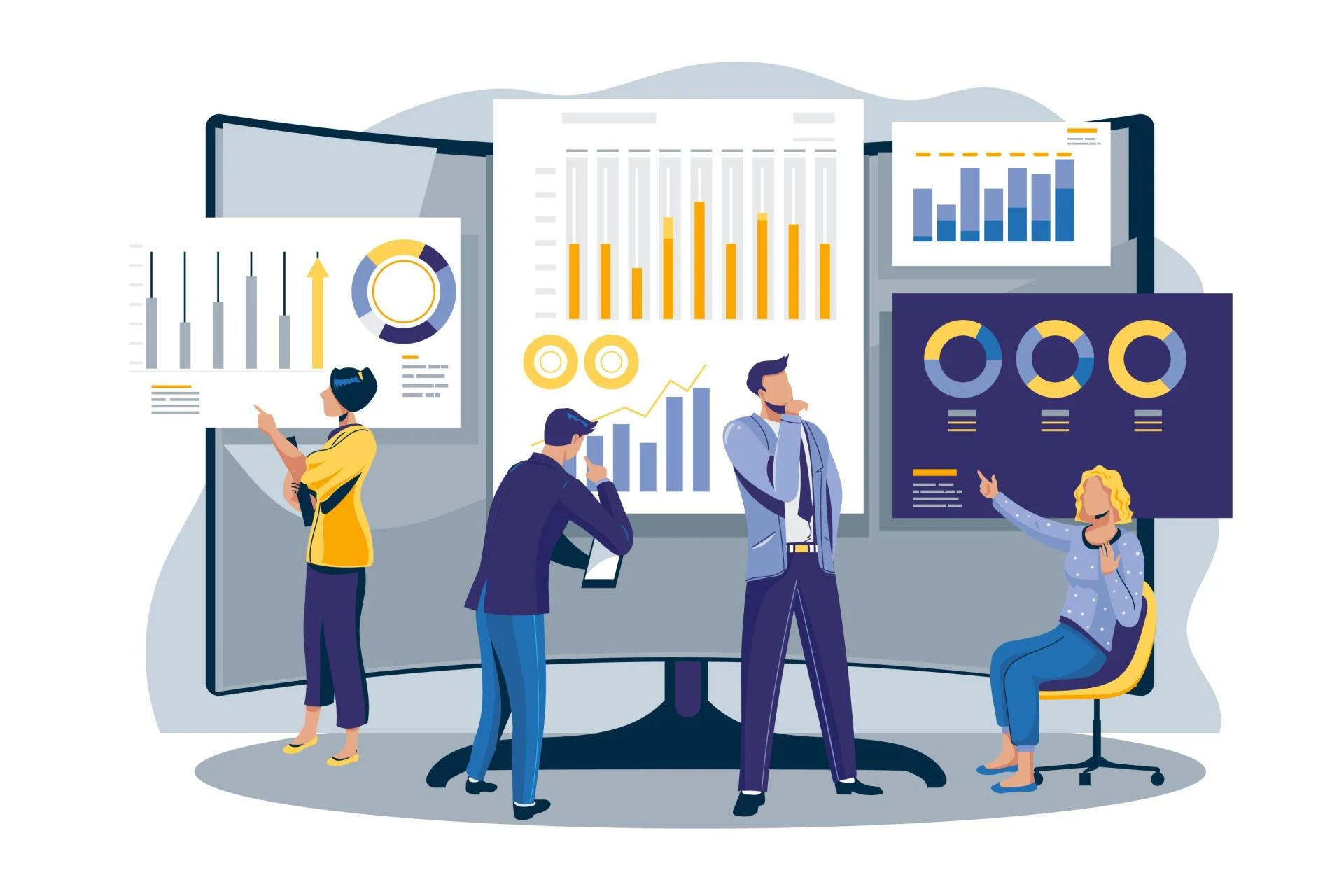 mmunication about what is monitored and why they have to do it, and how the data would be used. Resistance is likely to be reduced when teams realize that employee monitoring software is not about spying but about growth and assistance.
A good way of doing this is to include employees in the decision making process. Companies ought to collect opinions of their teams before implementing any monitoring tool. This does not only bring in trust but also makes sure that the tool chosen fits into the culture and values of the organization. A solution that has adjustable settings can make a significant difference as not everyone wants to be tracked all the time, or to have personal browsing excluded.
In addition, it improves performance appraisal. Managers have at their disposal actual work data with which to provide feedback that is accurate and fair. They will be able to evaluate the work of an employee not by memory or by subjective impressions, but by actual figures. This results in more worthwhile discussions during appraisals and may even contribute to the identification of training requirements or development opportunities.
In addition, it improves performance appraisal. Managers have at their disposal actual work data with which to provide feedback that is accurate and fair. They will be able to evaluate the work of an employee not by memory or by subjective impressions, but by actual figures. This results in more worthwhile discussions during appraisals and may even contribute to the identification of training requirements or development opportunities.
To sum up, employee monitoring software is a potent tool in the hands of a responsible person. Companies which achieve the right balance between transparency, privacy, and productivity can make monitoring a competitive edge. It is not about spying, but about helping the employees, streamlining the process and making the workplace where everyone will prosper. Monitoring is a win-win situation that companies may take advantage of by establishing the trust and defining clear expectations, ensuring the positive and respectful work culture.