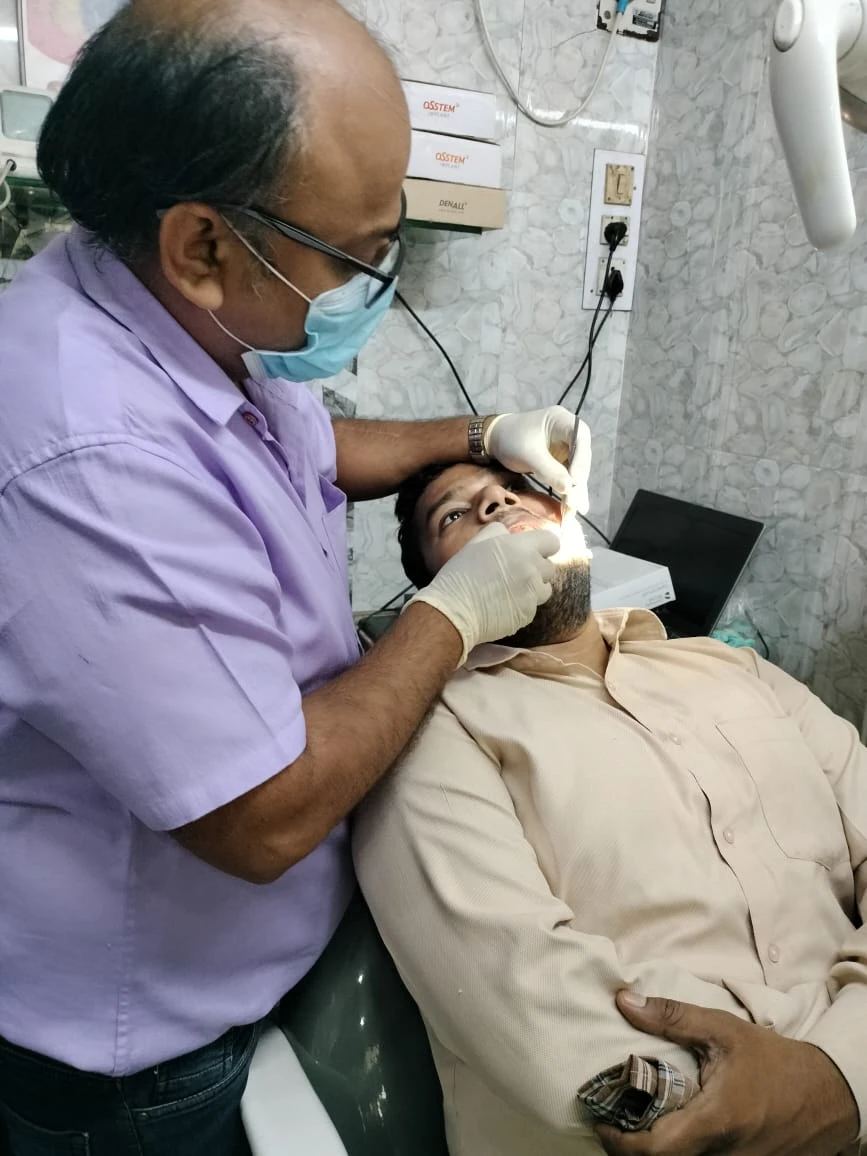
Bad breath—also known as halitosis—is something almost everyone worries about from time to time. Whether it’s after a garlicky meal or during a busy workday, nobody wants to feel self-conscious about their breath. But when bad breath becomes a daily problem, it could be a sign of something more serious.
At Royal Oral & Dental Clinic, we help patients identify the root causes of halitosis and provide effective, long-lasting solutions. Let’s explore why bad breath happens, how you can prevent it, and when it’s time to seek professional care.
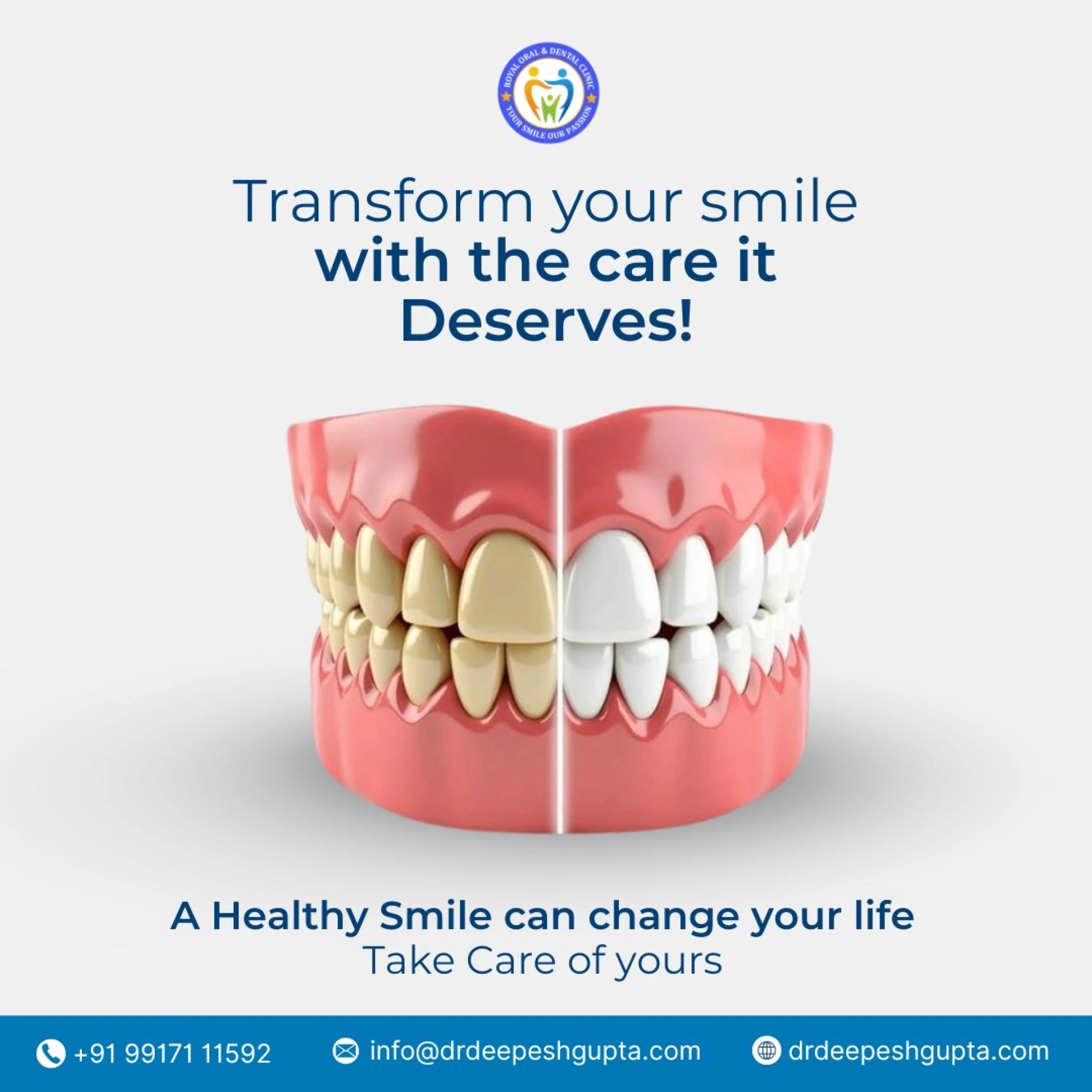
What Causes Bad Breath?
Bad breath has many possible sources:
- Poor Oral Hygiene
- Food particles that remain in the mouth promote bacterial growth, which produces unpleasant odors.
- Food Choices
- Garlic, onions, and spicy foods release strong-smelling compounds that linger in your mouth and bloodstream.
- Dry Mouth (Xerostomia)
- Saliva helps wash away bacteria. A dry mouth allows odors to build up.
- Tobacco Products
- Smoking or chewing tobacco not only causes bad breath but also increases the risk of gum disease.
- Gum Disease
- Persistent bad breath may be a sign of infection in the gums.
- Medical Conditions
- Issues like sinus infections, acid reflux, diabetes, or liver problems can contribute to halitosis.
Simple Tips to Prevent Bad Breath
1. Brush and Floss Daily
Brushing twice a day and flossing once removes food particles and plaque that cause odor.
2. Clean Your Tongue
The tongue can trap bacteria and food debris. Use a tongue scraper or brush gently with your toothbrush.
3. Stay Hydrated
Drink plenty of water to keep saliva flowing and wash away bacteria.
4. Choose Breath-Friendly Foods
Crunchy fruits and vegetables like apples and carrots help clean teeth naturally.
5. Limit Odor-Causing Foods
Cut down on garlic, onions, and sugary snacks that fuel bacteria.
6. Quit Smoking
Tobacco not only causes halitosis but also stains teeth and damages gums.
When to See a Dentist
Occasional bad breath is normal. But if it’s persistent despite good oral hygiene, it may signal a deeper issue. Seek professional help at Royal Oral & Dental Clinic if you notice:
- Bad breath that doesn’t go away
- Bleeding or swollen gums
- Tooth sensitivity or pain
- White coating on the tongue
- Loose or shifting teeth
Our team can diagnose the cause—whether it’s gum disease, cavities, or another health concern—and recommend the right treatment.
Treatments for Persistent Bad Breath
At Royal Oral & Dental Clinic, treatment depends on the underlying cause:
- Professional Cleaning – Removes plaque and tartar that regular brushing misses.
- Treatment for Gum Disease – Scaling, root planing, or other therapies to fight infection.
- Restorative Dental Work – Repairing cavities or ill-fitting dental appliances.
- Lifestyle Guidance – Helping you quit smoking and improve oral hygiene habits.
The Emotional Impact of Bad Breath
Halitosis isn’t just a dental problem—it can affect your social life, confidence, and even career. Patients often report avoiding close conversations or feeling embarrassed in public. Addressing the issue restores not only fresh breath but also peace of mind.
Final Thoughts
Bad breath may be common, but it doesn’t have to control your life. With proper care, good habits, and professional guidance, you can enjoy fresh breath and renewed confidence every day.
At Royal Oral & Dental Clinic, we’re here to help you identify the cause and provide lasting solutions. Schedule your consultation today and take the first step toward a healthier mouth and a fresher smile.
Because confidence starts with a breath of fresh air.
Book your Appointment Today
Contact no= +91 90268 02954
Website = https://drdeepeshgupta.com/