Industrial facilities, logistics hubs, and energy grids generate massive streams of raw physical signals every second. Temperature fluctuations across cold chains, vibration spikes in heavy factory turbines, and power surges along electrical circuits contain immediate warnings of mechanical wear and process failure. However, capturing raw sensor data is only half the battle. When organisations log telemetry without processing it in real time, critical operational indicators sit dormant in isolated storage disks. Converting physical device signals into predictive insight requires connecting smart sensor hardware directly to high-throughput data processing pipelines.
The Evolution of Edge Intelligence Across Connected Networks
Traditional supervisory control and data acquisition (SCADA) setups were built to record historical machine events, not anticipate future breakdowns. When equipment failed, maintenance technicians reviewed event logs retrospectively to identify the root cause. This reactive approach regularly resulted in costly unplanned downtime and disrupted factory shifts.
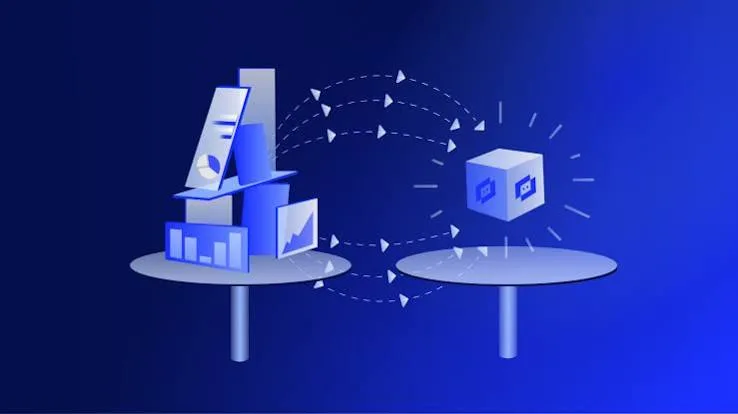
Modern enterprises collaborating with IoT companies in India are replacing rigid legacy setups with decentralised, intelligent edge infrastructure. Modern industrial Internet of Things architecture positions low-power compute gateways directly alongside shop-floor machinery. These local processors ingest readings across standard protocols like MQTT, Modbus, and OPC UA, filtering out baseline signal noise before packaging data for upstream ingestion. By executing lightweight inference models directly on local devices, equipment can trigger emergency shutdowns or adjust motor speeds within milliseconds, eliminating network latency dependencies.
Furthermore, moving data from the edge to the central cloud requires secure, bidirectional communication channels. The top IoT companies in India prioritise end-to-end device identity governance, mutual TLS encryption, and secure over-the-air (OTA) firmware updating frameworks. This approach keeps hundreds of field gateways secure against unauthorised access while ensuring system firmware stays updated without physical site visits.
Building Scalable Data Pipelines for High-Volume Sensor Streams
Once telemetry leaves edge gateways, central data architectures must ingest, process, and route continuous time-series information without dropping packets during network surges. Managing these workloads requires specialised event-streaming frameworks like Apache Kafka or AWS Kinesis connected to specialised time-series data stores like InfluxDB or TimescaleDB.
At this stage, partnering with an experienced data analytics company in India becomes critical. Raw sensor streams must be contextualised with enterprise operational data, including equipment maintenance logs, production shift schedules, and supplier lot numbers. Data engineering teams design automated Extract, Transform, Load (ETL) pipelines that clean noisy readings, normalise timestamps, and feed structured datasets into business intelligence dashboards.
Combining historical operating records with live sensor telemetry unlocks predictive maintenance modelling. Machine learning models analyse vibration frequency shifts and heat profiles to detect early bearing degradation weeks before mechanical failure occurs. Instead of relying on arbitrary calendar-based maintenance schedules, plant managers schedule repairs during planned shift changes, preserving asset life cycles and minimising maintenance costs.
Essential Evaluation Criteria for Connected Data Platforms
Successfully deploying industrial IoT alongside streaming analytics requires disciplined architectural coordination. Technical leaders should evaluate implementation roadmaps against three core benchmarks:
- Protocol Flexibility: Confirm that gateway firmware supports heterogeneous factory protocols, enabling communication with modern smart sensors and legacy serial controllers alike.
- Latency Boundaries: Determine which analytical actions require sub-second edge execution (such as emergency pressure valve shutoffs) versus those suitable for cloud batch aggregation (such as weekly utility efficiency reports).
- Data Governance and Schema Control: Enforce clear schema definitions across time-series pipelines to prevent corrupted sensor readings from breaking downstream analytics dashboards and machine learning training jobs.
Unifying Hardware and Data for Long-Term Scale
Connecting physical hardware to intelligent data processing turns reactive industrial monitoring into a proactive operational system. Technology engineering companies like Prismberry assist enterprises by developing embedded IoT firmware, distributed edge computing architectures, and end-to-end data pipelines designed for high-throughput environments. When organisations connect field sensors directly to predictive analytics platforms, they gain total operational visibility, protect critical machinery, and maintain continuous productivity across every site.
FAQ
- What is the difference between Edge IoT and Cloud IoT processing? Ans: Edge IoT processes sensor data locally on physical gateways situated near equipment, enabling immediate, millisecond-level automated actions without internet dependencies. Cloud IoT aggregates data from multiple decentralised sites over the internet to perform heavy historical trend analysis, long-term predictive modelling, and global reporting.
- Why is time-series data storage necessary for industrial IoT applications? Ans: Standard relational databases struggle with the extreme write volumes and time-indexed queries generated by thousands of sensors. Time-series databases are optimised specifically for high-speed writes, timestamp compression, and time-range aggregations, making them far more efficient for sensor analytics.
- How do industrial facilities prevent data loss during network outages? Ans: Industrial edge gateways use store-and-forward mechanisms. When internet connectivity drops, telemetry is saved to local solid-state storage. Once connectivity is restored, the gateway uploads the queued readings to the cloud chronologically without data gaps.