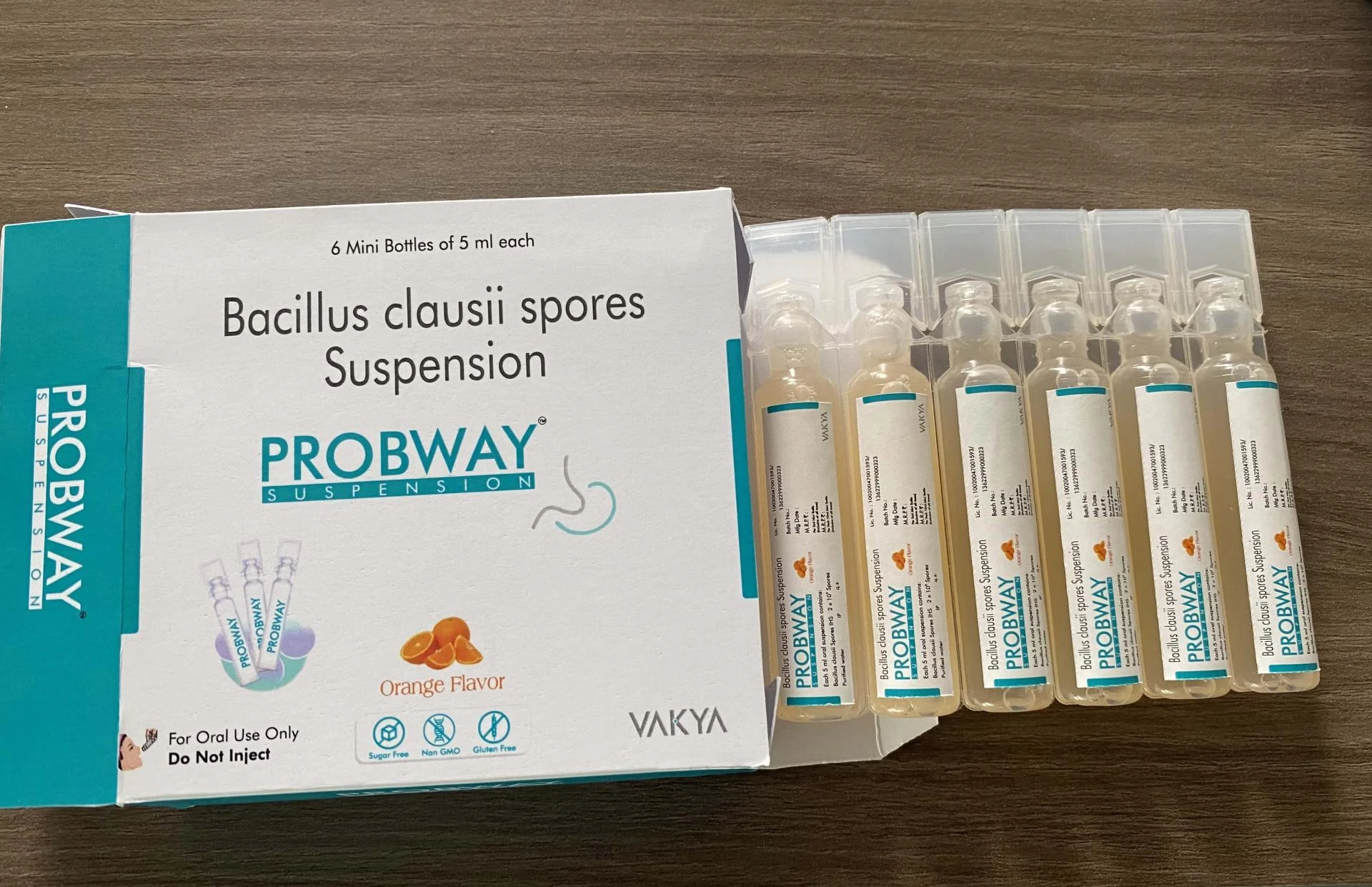
In the ever-evolving world of probiotics, Bacillus clausii stands out as one of the most resilient and widely used bacterial strains in therapeutic formulations. Its unique ability to form spores enables it to survive harsh environmental conditions, including acidic gastric environments, making it an ideal candidate for oral probiotic use. Among the various forms of probiotic delivery systems, Bacillus clausii spores suspension has gained significant popularity, particularly in pediatric and gastrointestinal therapies.
Behind the scenes of this growing popularity is a specialized sector of manufacturers who are responsible for developing, scaling, and distributing high-quality Bacillus clausii spores suspension across global markets. This blog explores the intricacies of the manufacturing process, the challenges involved, and the regulatory landscape shaping this niche industry.
Understanding Bacillus Clausii and Its Benefits
Before delving into manufacturing, it’s important to understand what makes Bacillus clausii special. It is a gram-positive, rod-shaped, spore-forming bacterium that exists naturally in the environment and in the human gut. Thanks to its ability to form endospores, it can endure extreme temperatures and pH levels. This resilience gives it a longer shelf life and higher survival rate through the digestive tract compared to non-spore-forming probiotics.
Clinically, Bacillus clausii is known to aid in:
- Restoring intestinal flora balance during and after antibiotic treatment.
- Supporting the immune system.
- Reducing symptoms of diarrhea, irritable bowel syndrome (IBS), and other gastrointestinal disturbances.
- Promoting nutrient absorption and gut health in pediatric patients.
Given its medical relevance, demand for reliable and effective Bacillus clausii suspensions is on the rise, prompting increased investment and innovation in its manufacturing.
The Manufacturing Process: Precision and Sterility
Producing a viable Bacillus clausii spores suspension is a complex, multi-step process that requires strict adherence to microbiological, pharmaceutical, and quality control standards.
1. Strain Selection and Culturing
The manufacturing journey begins with the selection of a validated and genetically stable strain of Bacillus clausii. The strain is typically stored in a microbial culture bank under cryopreservation. Once retrieved, it is inoculated into a suitable nutrient-rich growth medium, usually in stainless steel bioreactors under sterile conditions.
Culturing is done under optimized conditions—temperature, pH, aeration, and agitation—to maximize bacterial growth and sporulation. The goal is to ensure a high yield of spores rather than vegetative cells, as spores provide longer shelf life and enhanced stability.
2. Harvesting and Purification
Once sporulation is complete, the bacterial biomass is harvested via centrifugation or filtration. The resulting spore-rich material is then purified to remove debris, vegetative cells, and other contaminants. Manufacturers often use a series of washing and drying steps to ensure the spores meet purity standards.
3. Formulation and Suspension
The purified spores are suspended in a sterile aqueous medium containing stabilizers and preservatives that maintain the viability and uniformity of the spores. Common suspension vehicles include saline, buffered solutions, or proprietary formulations designed to enhance taste, shelf life, and compliance, especially in pediatric products.
4. Filling and Packaging
Sterile filling is carried out in cleanroom environments using automated machinery to minimize contamination risks. Suspensions are typically filled into single-dose vials, ampoules, or bottles with tamper-evident caps and labels. Packaging is also designed to protect the product from light and temperature fluctuations.
5. Quality Assurance and Testing
Every batch undergoes rigorous quality control tests to ensure safety, efficacy, and compliance. These tests include:
- Viable spore count (CFU/ml)
- pH testing
- Microbial contamination tests
- Stability and shelf life studies
- Endotoxin and mycotoxin testing
Only batches that pass all tests are released for distribution.
Regulatory Landscape and Compliance
Given that Bacillus clausii spores suspension is often marketed as either a pharmaceutical or dietary supplement, depending on the country, manufacturers must navigate a complex regulatory environment.
Pharmaceuticals vs. Nutraceuticals
In many markets, especially in Europe and Asia, Bacillus clausii is regulated as a probiotic drug and must comply with stringent pharmaceutical GMP (Good Manufacturing Practices). In others, such as the U.S., it may be marketed as a dietary supplement, subject to food-grade GMP standards.
Key Regulatory Bodies
- FDA (U.S.)
- EMA (Europe)
- WHO Prequalification
- Local Drug Control Authorities (India, Brazil, South Africa, etc.)
Manufacturers must also ensure traceability, documentation, and full transparency across the production chain to meet international audit and export requirements.
Challenges in Manufacturing Bacillus Clausii Suspensions
Despite its potential, manufacturing Bacillus clausii suspensions comes with several challenges:
- Spore Uniformity: Ensuring consistent spore count and viability across batches can be technically demanding.
- Shelf Stability: Although spores are stable, ensuring formulation stability in suspension over extended periods requires specialized expertise.
- Contamination Risks: As a biological product, contamination from other microbes or endotoxins is a constant concern.
- Regulatory Complexity: Varying global regulations mean manufacturers must tailor formulations and documentation for different markets.
The Future of Bacillus Clausii Suspension Manufacturing
The global trend toward preventive healthcare, gut health awareness, and antibiotic stewardship is pushing the demand for spore-based probiotics like Bacillus clausii. Future innovations in the field may include:
- Microencapsulation technologies for even better stability.
- Combination therapies with other probiotics or prebiotics.
- Enhanced formulations for targeted delivery.
- Customization for age groups, including geriatric and infant use.
Automation, AI-based quality control, and digital batch tracking are also likely to play bigger roles in ensuring product consistency and regulatory compliance.
Conclusion
The manufacturing of Bacillus clausii spores suspension is a sophisticated and highly specialized endeavor that sits at the intersection of microbiology, pharmaceutical science, and global health needs. As consumers and healthcare providers increasingly recognize the value of probiotics, the manufacturers behind these suspensions will continue to innovate and adapt to meet growing demand.
Whether used to counteract the side effects of antibiotics or to maintain gut flora balance, Bacillus clausii spores suspensions are poised to remain a key component in the global probiotic market—thanks to the expertise and dedication of the manufacturers who bring them to life.
URL: For more information, visit Vakya Lifescience : Bacillus Clausii Spores Suspension Manufacturers