When I first started looking into ways to make my Jupiter Farms home more resilient and energy-efficient, I kept hearing about closed-cell spray foam insulation. As a homeowner in this part of Florida, I know that our climate presents unique challenges. We deal with intense humidity, high temperatures, and the seasonal threat of tropical storms. I wanted an insulation that could handle all of that, but I also needed to understand what goes into the cost of such an investment.
In my research, I found that "cost" isn't just a single number you can pull off a shelf. Instead, it is a calculation based on several variables unique to each property. For those of us living on larger lots with diverse home styles in Jupiter Farms, understanding these cost factors is the best way to plan for a home improvement project that truly lasts.
Why I Focused on Closed-Cell Spray Foam
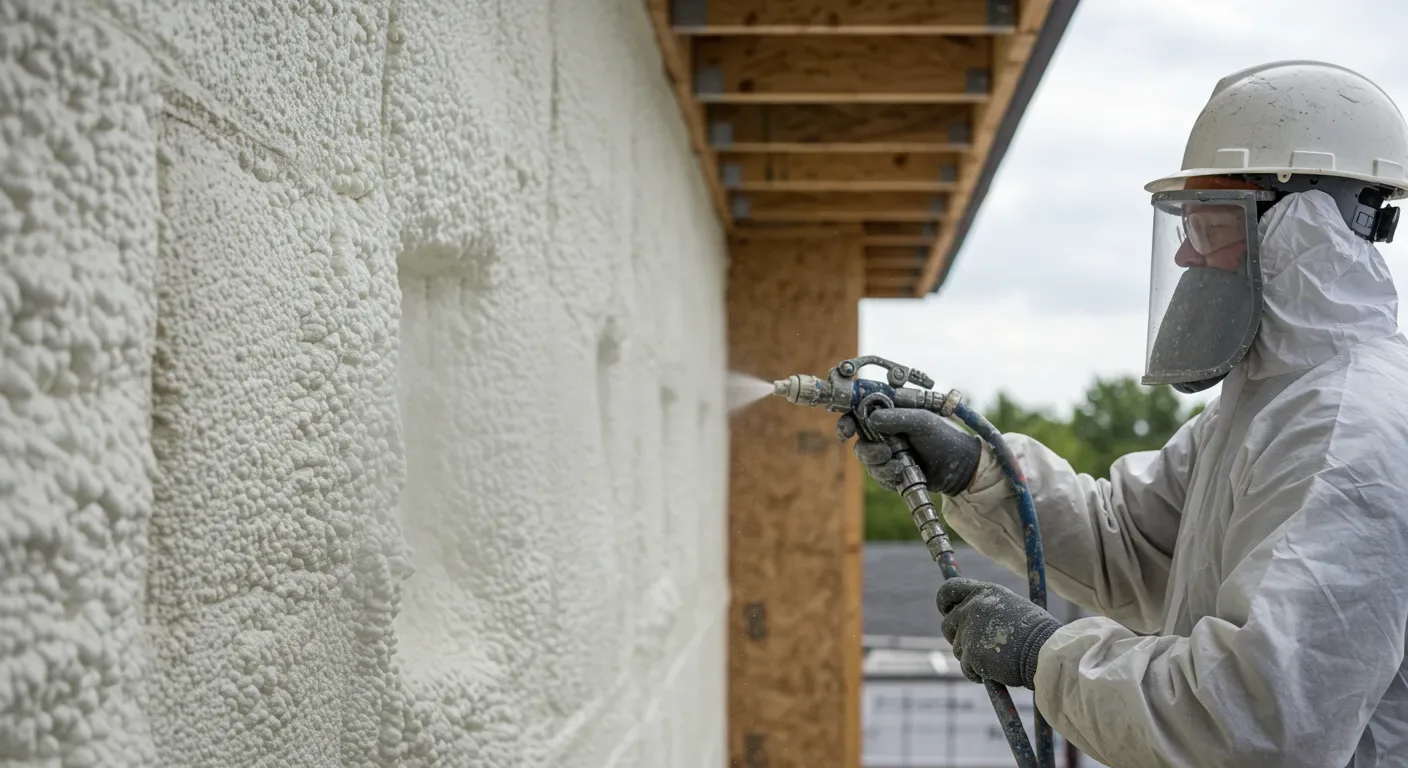
Before looking at the financial factors, I had to understand what I was paying for. Closed-cell spray foam is a dense, rigid insulation. Unlike the softer open-cell variety, closed-cell foam is water-resistant and provides an incredible amount of structural strength. In an area like Jupiter Farms, where homes can be exposed to high winds, that extra rigidity is a major selling point for me. It also acts as a vapor barrier, which is essential for keeping our notorious Florida humidity from seeping into the walls.
Factor 1: The Size and Scope of the Project
The most obvious factor I encountered is the total area that needs to be covered. In Jupiter Farms, we have a mix of cozy ranch-style homes and sprawling estates. Naturally, the more square footage you need to insulate, the more material is required.
However, I learned it isn't just about the floor plan. It’s about the "surface area" of the building envelope. This includes the attic rafters, the exterior walls, and potentially the crawl space or "knee walls" in a second-story bonus room. I realized that deciding whether to insulate the entire home or just the attic (the most common area for heat gain) would be the biggest driver of the overall project scope.
Key Factors That Influence Closed-Cell Spray Foam Cost in Jupiter Farms, FL
Cost FactorWhat It MeansImpact on Overall CostProject SizeTotal square footage of walls, attic, and crawl spacesLarger areas require more material and laborApplication ThicknessDepth of foam applied to achieve the desired R-valueA thicker application increases material usageHome AccessibilityEase of reaching attics, walls, or tight spacesDifficult access increases labor timeProperty ConditionNew construction vs. existing homeOlder homes may need insulation removal and prep workSurface PreparationMasking, protection, and cleanup requirementsMore prep increases installation timeMaterial QualityGrade of foam and equipment usedHigher-quality systems improve performance but cost moreFactor 2: Application Thickness and R-Value Requirements
One thing I didn't initially realize is that I can choose how thick the foam is applied. The thickness of the foam directly relates to its R-value, which is the measure of thermal resistance.
In Florida, building codes have specific requirements for R-values in attics and walls. If I want to exceed those codes to maximize my energy savings, the cost will naturally increase because the technicians have to use more products to achieve that greater depth. For closed-cell foam, even a few inches provides a significant barrier, but finding that "sweet spot" between thickness and performance is a conversation I knew I needed to have with a professional.
Factor 3: Accessibility and Installation Complexity
I took a look at my own attic and realized it isn't the easiest place to move around in. This is a major factor in how professional installers determine the labor requirements.
In Jupiter Farms, many homes have complex rooflines or tight crawl spaces. If the crew has to work in cramped quarters or move around a lot of ductwork and wiring, the project takes longer. Accessibility isn't just about the attic, either. If I were retrofitting an older home, the installers might have to remove existing drywall or find ways to inject the foam into closed cavities, which is much more complex than spraying onto open rafters in a new construction project.
Factor 4: Property Type and Preparation Needs
Is the home a brand-new build or a 30-year-old classic? I found that the state of the property matters quite a bit. For an older home, there is often existing insulation like old fiberglass batts or blown-in cellulose that needs to be professionally removed and disposed of before the spray foam can be applied.
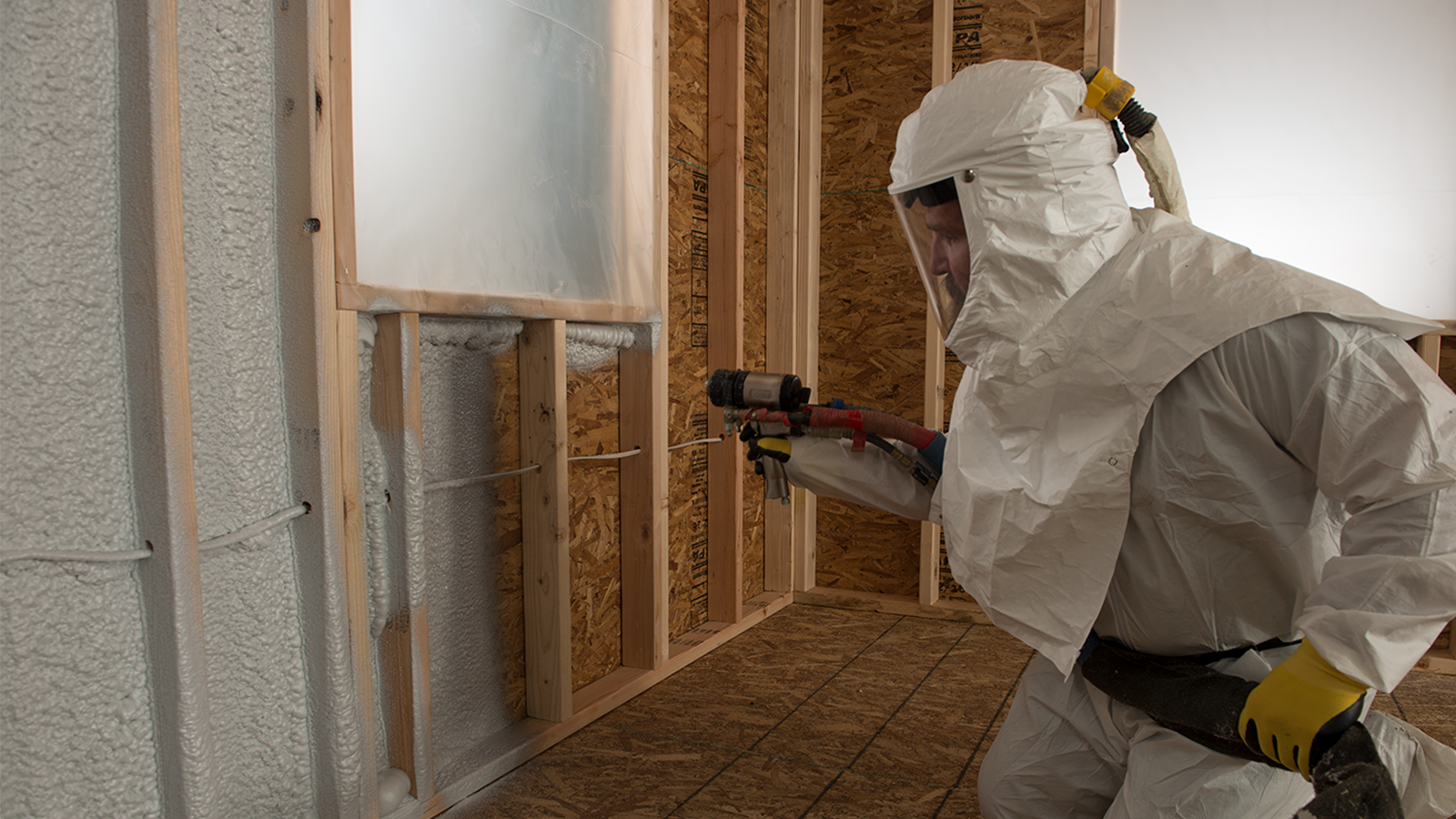
Additionally, preparation is key. Closed-cell spray foam is incredibly sticky and permanent. At All in Overhall, a significant portion of the work goes into properly masking the home, including covering windows, floors, and personal belongings to protect them from overspray. The more furnished or lived-in the space is, the more preparation is required.
Factor 5: Material Quality and Specialized Equipment
I used to think all spray foam was the same, but it’s actually a complex chemical product. High-quality closed-cell foam requires sophisticated equipment that maintains precise temperatures and pressures to ensure the material cures correctly.
When I consider the cost, I’m also looking at the overhead of the specialized rigs that the contractors bring to Jupiter Farms. These are mobile factories on wheels. Using a team that invests in the latest technology and top-tier materials ensures that the foam won't shrink or pull away from the studs years down the line, which makes the initial investment more valuable in the long run.
Factor 6: Local Labor and Expertise
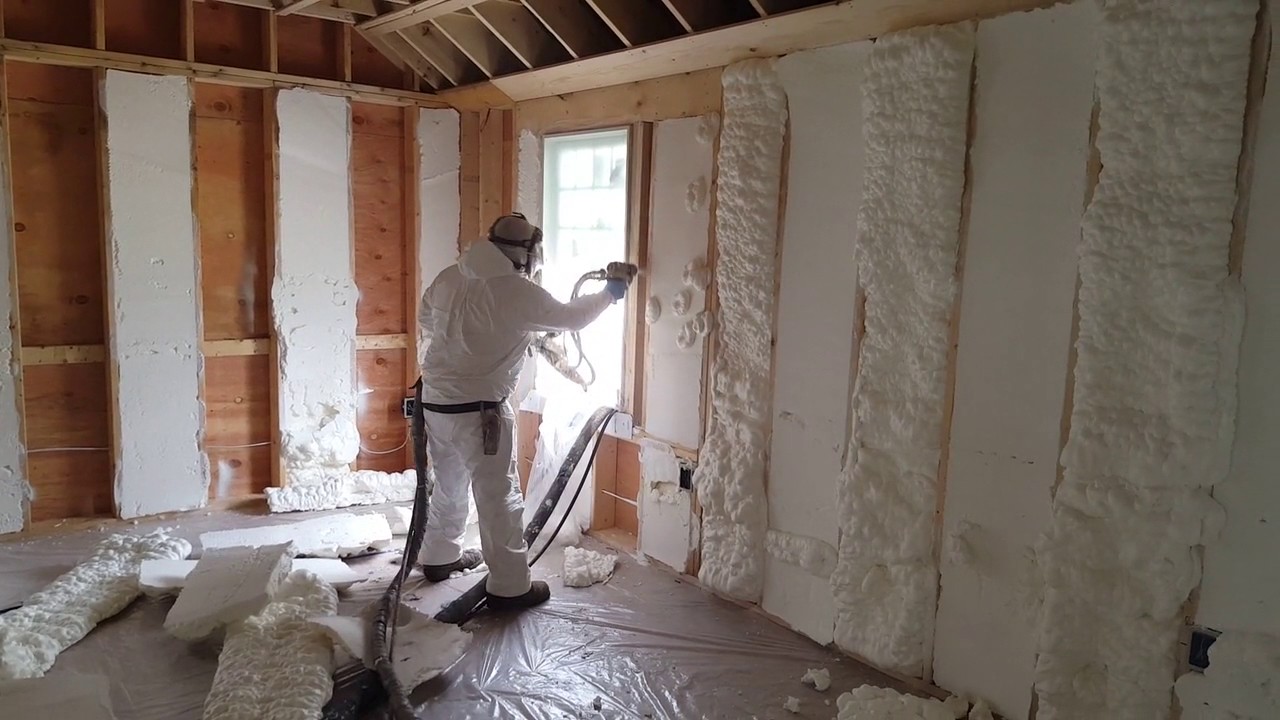
In Jupiter Farms, FL, we value local expertise. Hiring a crew that understands the specific building codes of Palm Beach County and the unique architectural styles of our neighborhood is important. Professional installers are trained to handle the chemicals safely and to ensure proper ventilation during the curing process. While labor rates can vary, I’ve found that paying for experienced technicians is a safeguard against mistakes that could be very expensive to fix later.
Long-Term Value vs. Upfront Investment
Throughout my research, I had to stop looking at this as an "expense" and start looking at it as an "investment." While the initial cost of closed-cell spray foam is higher than traditional materials, the long-term benefits are substantial.
- Lower Monthly Bills: By creating an airtight seal, my AC doesn't have to work nearly as hard to fight the Florida heat.
- Structural Integrity: The rigidity of the closed-cell foam helps the house hold up better against wind pressure.
- Moisture and Mold Protection: By keeping humidity out of the walls, I’m protecting my home from the costly repairs associated with mold and rot.
- Property Value: A home with a high-performance building envelope is a significant selling point in the Jupiter Farms real estate market.
Frequently Asked Questions
Why is closed-cell foam more of an investment than open-cell?
Closed-cell foam is denser, uses more material, and offers a higher R-value plus a moisture barrier, making it more suitable for Florida’s climate than open-cell foam.
Can I stay in my home during the installation?
Generally, homeowners are advised to leave the property for 24 hours while the foam cures and the house ventilates. This is a standard safety precaution to ensure everyone stays healthy.
Does the age of my Jupiter Farms home affect the project?
Yes. Older homes often need old insulation removal and extra prep, while new construction is usually simpler and faster to insulate.
How does thickness affect the outcome?
The thicker the application, the higher the R-value. However, because closed-cell foam is so efficient, you often don't need as many inches as you would with other materials to get excellent results.
Conclusion
Understanding the average cost of closed-cell spray foam insulation in Jupiter Farms, FL, really comes down to looking at the unique needs of your specific property. From the size of your attic to the complexity of your home’s design, every factor plays a role in the final plan. For me, the peace of mind that comes from a stronger, drier, and more energy-efficient home far outweighs the complexity of the initial setup. By focusing on quality installation and the right material thickness, I’m ensuring that my home remains a comfortable haven for years to come.
Ready to get a detailed look at your home’s insulation needs?
I found that the best way to move forward is to talk to someone who knows our area. If you want to dive deeper into how these factors apply to your specific home, reach out to All in Overhall. You can call the team at (561) 406-3835 or send an email to [email protected] to start a conversation about your home's future. They are great at explaining how to maximize your energy savings right here on the farms!