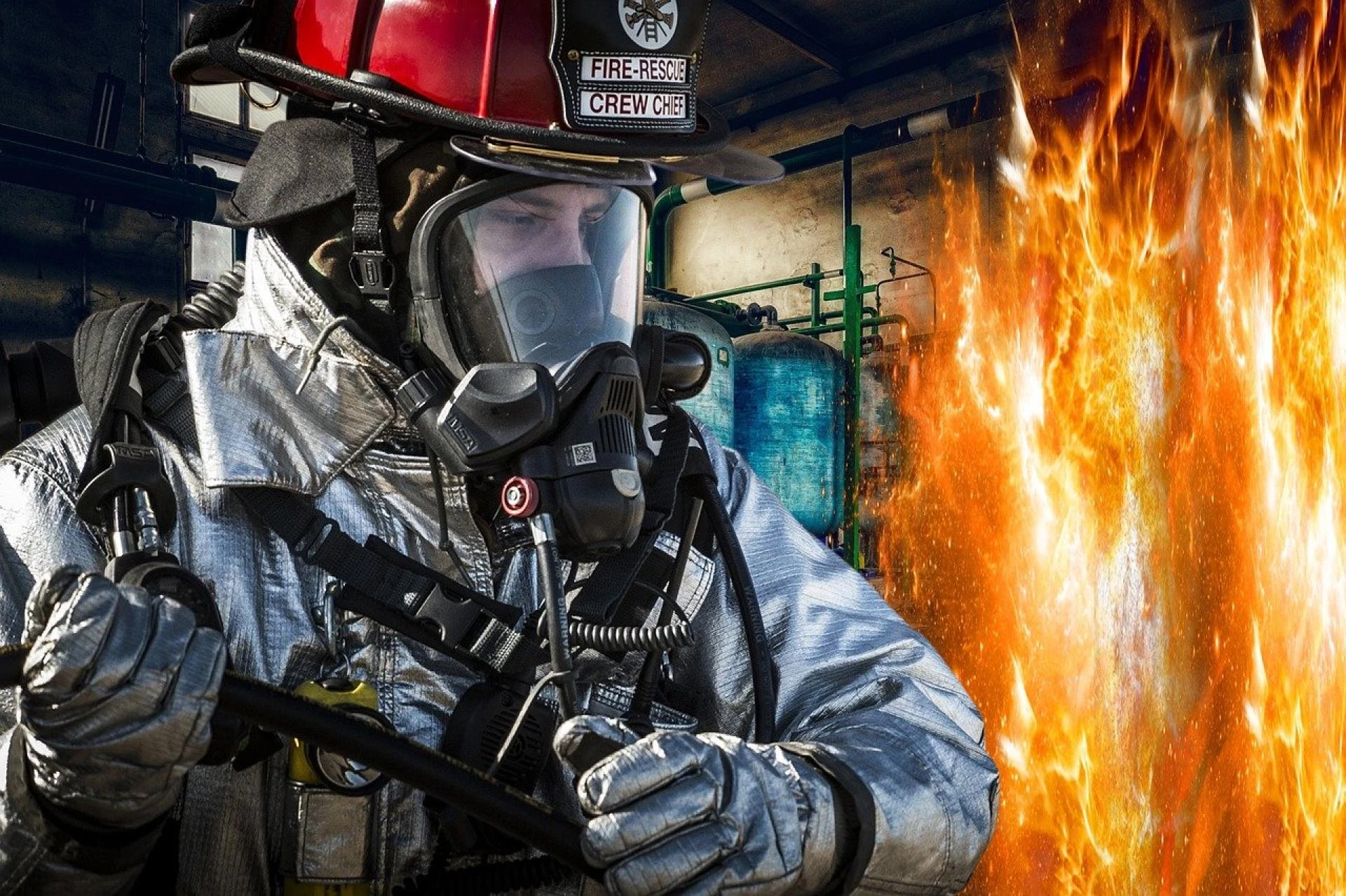
Fire emergencies are among the most unpredictable and dangerous situations employees can face in the workplace. Whether in offices, factories, warehouses, hospitals, or industrial sites, fires escalate quickly and leave little room for hesitation or confusion. In such moments, the difference between safety and disaster often depends on how fast and correctly people respond. Traditional fire safety training methods—such as lectures, videos, and occasional fire drills—often fall short in preparing employees for real-life emergencies. This is where VR fire safety training is proving to be a game changer, helping employees react faster, stay calmer, and make better decisions under pressure.
1.The Challenge of Real-Time Response in Fire Emergencies
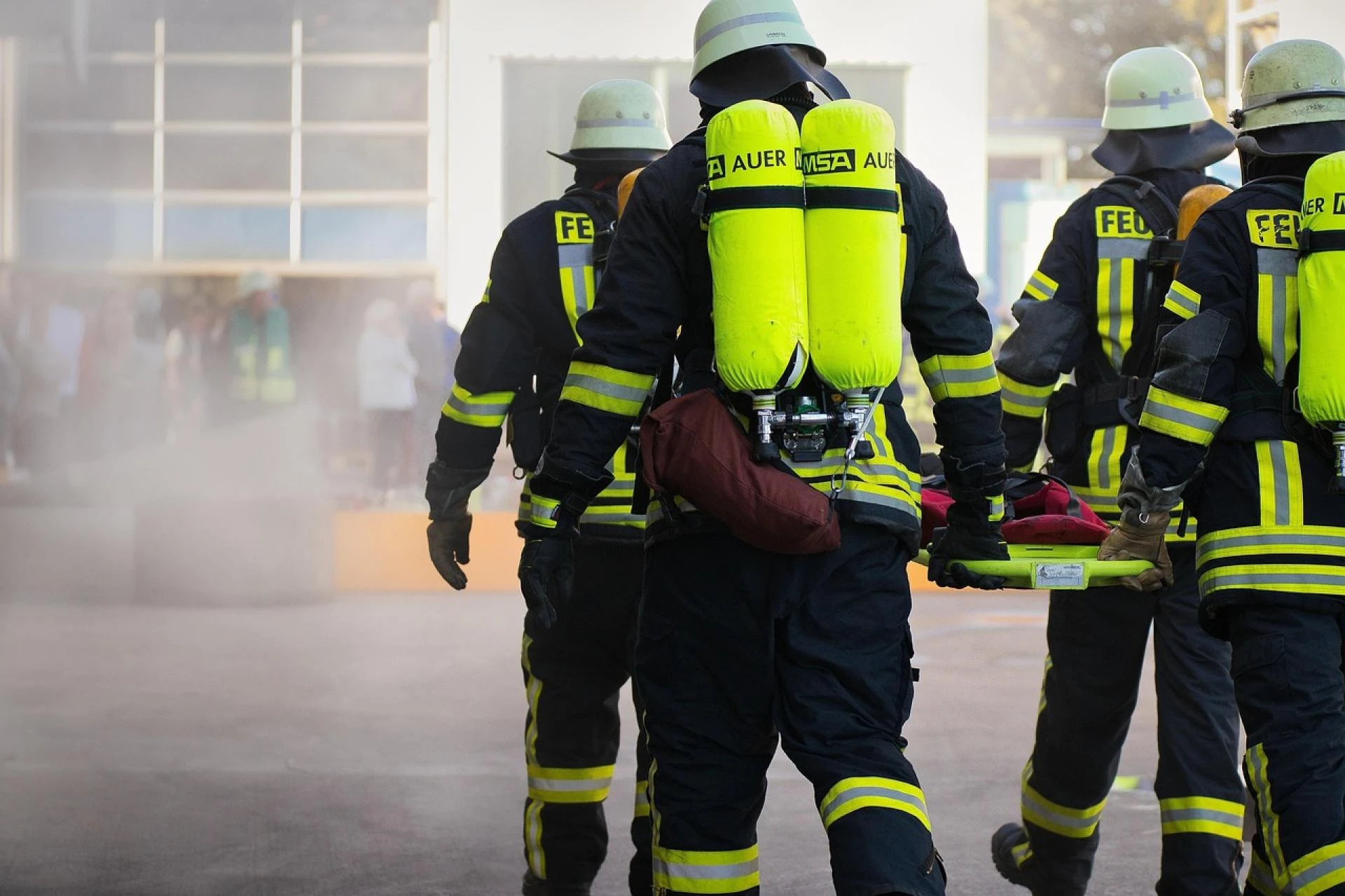
During a fire, employees must process information rapidly: identify the source of danger, choose safe evacuation routes, use firefighting equipment if trained, and assist others if necessary. Stress, panic, and unfamiliarity can severely slow response times.
Traditional training typically focuses on theory—fire classifications, extinguisher types, evacuation maps, and safety rules. While important, this knowledge alone does not prepare employees for the intense sensory overload of a real fire, including smoke, alarms, low visibility, and time pressure. As a result, even trained employees may freeze or act incorrectly during actual emergencies.
2.Limitations of Traditional Fire Drills
Fire drills are a common safety requirement, but they have limitations. They are usually predictable, infrequent, and lack realism. Employees know in advance that a drill is taking place, so the sense of urgency is low. Real fires, however, are chaotic and unexpected.
Additionally, physical fire drills cannot safely simulate scenarios like spreading flames, blocked exits, electrical fires, or smoke-filled corridors. This leaves gaps in preparedness, especially for rare but high-risk situations.
3.Immersive Learning Through Virtual Reality
Virtual reality transforms fire safety training by immersing employees in realistic emergency scenarios. Using VR headsets, trainees are placed inside simulated environments that replicate real workplaces during fire incidents.
They see flames spreading, hear alarms sounding, and experience reduced visibility due to smoke. This immersive exposure trains employees to remain alert and focused under pressure. By practicing in lifelike conditions, employees learn to respond instinctively rather than relying solely on memory.
4.Building Muscle Memory for Faster Reactions
One of the key ways VR training improves response time is by building muscle memory. In VR simulations, employees repeatedly practice actions such as locating exits, operating fire extinguishers, following evacuation routes, and making quick decisions.
This repetition conditions the brain and body to react automatically. When a real emergency occurs, employees do not waste valuable seconds thinking about what to do—they act based on practiced behavior. Faster reactions significantly reduce the risk of injuries and fatalities.
5.Improving Decision-Making Under Stress
Fire emergencies require rapid decision-making. Should an employee attempt to extinguish a fire or evacuate immediately? Which exit is safest? How should they assist colleagues?
VR training exposes employees to multiple scenarios with varying levels of risk. They learn to assess situations quickly and make appropriate choices. Experiencing the consequences of wrong decisions in a virtual environment reinforces correct behavior without real-world danger.
6.Enhancing Situational Awareness
Situational awareness is critical during emergencies. Employees must notice warning signs, understand their surroundings, and anticipate how conditions might change.
VR fire safety training improves situational awareness by simulating dynamic environments. Trainees learn to recognize hazards such as blocked exits, smoke movement, or fire spreading patterns. This heightened awareness helps employees navigate real emergencies more effectively and avoid common mistakes.
7.Safe Practice Without Real-World Risk
Practicing fire response in real settings carries obvious risks. VR eliminates these dangers while still delivering realistic experiences. Employees can practice using extinguishers, evacuating through smoke-filled corridors, and responding to alarms without exposure to heat, smoke, or physical harm.
This safe practice is especially valuable for high-risk workplaces where live-fire training is impractical or unsafe.
8.Consistent Training for All Employees
In many organizations, fire safety knowledge varies across departments, shifts, and locations. VR training standardizes the learning experience by delivering the same high-quality scenarios to everyone.
Whether employees work in offices, manufacturing units, or remote sites, VR ensures consistent preparedness. This uniformity improves overall emergency response coordination and reduces confusion during real incidents.
9.Boosting Confidence and Reducing Panic
Panic is one of the biggest obstacles to fast response during emergencies. Employees who feel unprepared are more likely to freeze or make poor decisions.
VR training builds confidence by familiarizing employees with emergency situations before they happen. When people recognize scenarios from training, they are more likely to stay calm and follow procedures. Confidence leads to quicker, more decisive action when it matters most.
10.Data-Driven Insights for Continuous Improvement
Modern VR training systems capture detailed performance data, including reaction times, decision accuracy, and procedural compliance. Safety managers can analyze this data to identify gaps in preparedness.
If employees consistently hesitate at certain decision points or misuse equipment, targeted refresher training can be provided. This data-driven approach ensures continuous improvement in emergency readiness.
11.Supporting Compliance and Safety Culture
Fire safety training is often a regulatory requirement, but compliance alone is not enough. Organizations must foster a culture where safety is taken seriously.
VR training makes fire safety engaging and impactful, encouraging employees to actively participate rather than passively attend sessions. This engagement strengthens safety culture and reinforces the importance of preparedness.
12.Scalability and Cost Effectiveness
While VR training requires initial investment, it can be scaled across large workforces without repeated setup costs. Organizations save time, reduce disruptions, and minimize reliance on physical drills while still maintaining high safety standards.
Over time, faster response, fewer injuries, and reduced damage translate into significant cost savings.
Conclusion
In fire emergencies, seconds matter. Employees must respond quickly, calmly, and correctly to protect themselves and others. Traditional training methods alone are no longer sufficient to build this level of preparedness. By adopting vr fire safety training, organizations can provide immersive, realistic, and repeatable experiences that dramatically improve response times during emergencies. Virtual reality is not just enhancing fire safety training—it is redefining how workplaces prepare for the moments that matter most.
To explore more about our work and real-time updates, check out AutoVRse on Twitter, Instagram, and LinkedIn.