
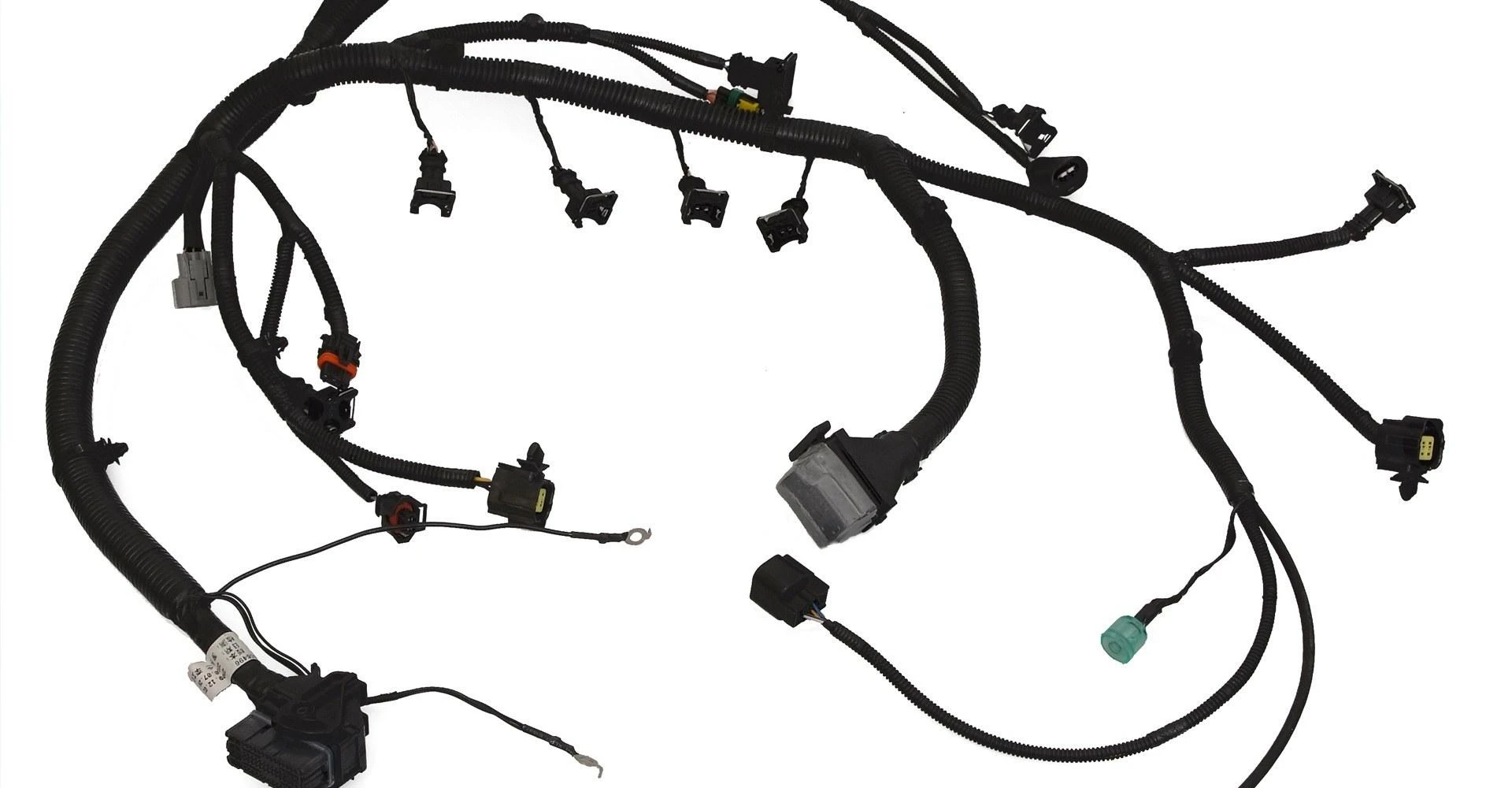
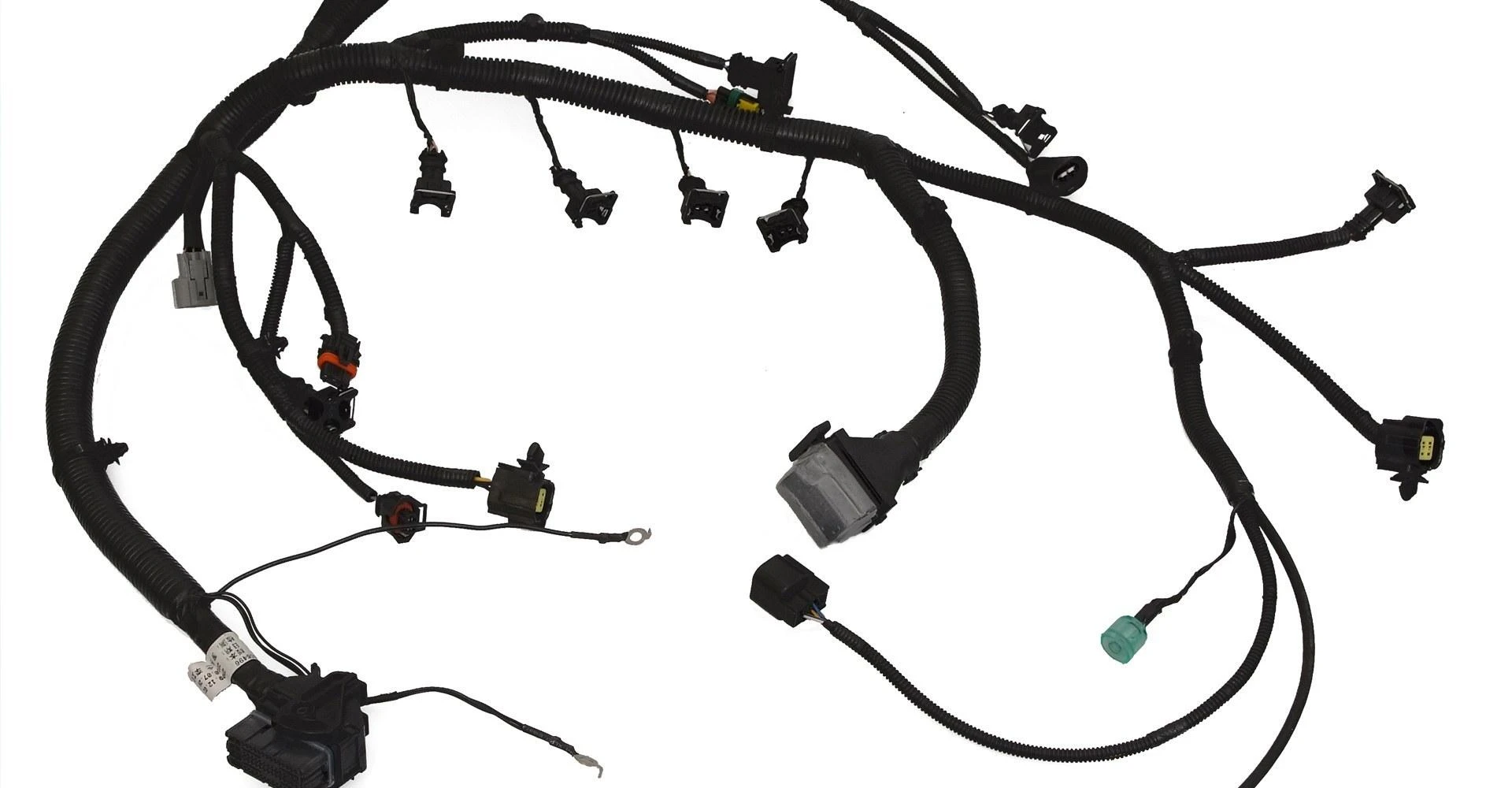
The modern vehicle has quietly changed its identity. What once relied mainly on mechanical strength now depends on electrical reliability hidden behind panels and beneath dashboards.
Every safety alert, charging cycle, sensor signal and display response travels through a complex web of wires working in perfect coordination.
Across this transformation, Automotive Wiring Harness Manufacturers in Asia play a role that rarely gets public attention but deeply influences vehicle performance, safety, and scalability. As we move closer to 2026, this role is expanding fast. EV growth, stricter regulations and supply chain shifts are pushing manufacturers and buyers to rethink how and where wiring systems are sourced.
This is not just a market expansion story. It is a structural shift in how automotive electrical systems are designed, produced, and trusted. Understanding this shift helps OEMs, Tier 1 suppliers, and sourcing teams make smarter decisions today.
Asia’s Position in the Global Automotive Wiring Ecosystem
Why Asia became the manufacturing backbone
Asia did not become a wiring hub by chance. The region built its strength over decades through manufacturing depth, skilled labour, material access and close proximity to major automotive production clusters. Countries like China, Japan, India, Thailand and Vietnam developed ecosystems where wire drawing, insulation, harness assembly and testing exist within tight industrial networks.
For Automotive Wiring Harness Manufacturers, this meant shorter lead times, better cost control, and faster adaptation to design changes. Over time, global OEMs began relying on Asia not only for volume but for consistency and process maturity.
Production scale and market signals
Verified data from industry bodies and trade databases shows Asia-Pacific regions accounting for over 60% of global wiring harness production by volume when internal consumption is included. China remains the largest contributor, while Southeast Asian countries are gaining momentum as alternative manufacturing bases under the China Plus One strategy.
The result is a region that now sets benchmarks for many automotive electrical wiring suppliers worldwide, especially in high volume and export-oriented programs.
What this means for buyers
For sourcing teams, Asia is no longer a low-cost option alone. It is a capability-driven choice. Buyers now evaluate suppliers based on process control, compliance readiness and long term stability. The conversation naturally moves from price negotiation to partnership alignment.
This shift leads directly into the next challenge. Technology and regulation are reshaping what wiring systems must deliver.
How Technology and Regulation Are Changing Wiring Requirements
Wiring is no longer a simple component
In earlier vehicle generations, wiring harnesses mainly carried power and basic signals. Today, they support advanced driver assistance systems, connected infotainment, battery management and vehicle diagnostics. This change increases wire density, complexity and quality expectations.
For Automotive Wiring Harness Manufacturers, the focus has moved from assembly speed to system reliability. Design tolerances are tighter. Failure margins are smaller. Traceability matters more than ever.
Standards and compliance pressures
Regulatory expectations have also evolved. Fire resistance, thermal stability, electromagnetic compatibility, and insulation performance are now non-negotiable. EV specific standards add another layer, especially for high voltage cables operating at 400V to 800V systems.
Industry data confirms that EVs require 20 to 30% more wiring content than internal combustion vehicles, not just in weight but significantly in value. This puts pressure on automotive electrical wiring suppliers to upgrade materials, testing processes and documentation practices.
Practical implications for manufacturers and OEMs
The most successful programs involve suppliers early in the design phase. When wiring experts participate from the concept stage, routing becomes efficient, material choices improve, and downstream failures are reduced. This approach saves time later and builds confidence across teams.
As complexity grows, the next factor becomes unavoidable. Electric vehicles are accelerating change faster than many expected.
EV Growth and Its Impact on Wiring Demand in Asia
Why EVs redefine wiring architecture
Electric vehicles demand more from wiring systems. High voltage cables require thicker conductors, better shielding and advanced insulation. Heat management becomes critical, and the integrity of the signal matters across longer and denser routes.
A typical ICE vehicle may carry around 25 to 30 kg of wiring. EVs often exceed this by 20 to 30%. More importantly, the value per kilogram rises due to the quality of copper, insulation compounds and the safety components.
EV adoption trends shaping demand
Verified reports from the International Energy Agency and global consulting firms show Asia leading EV production and adoption growth. China dominates volumes, while Japan and India invest heavily in EV platforms for domestic and export markets.
This trend directly benefits Automotive Wiring Harness Manufacturers that invest early in EV ready infrastructure. It also raises expectations from automotive electrical wiring suppliers regarding validation, durability, and scalability.
How suppliers are adapting today
Leading manufacturers are expanding high-voltage cable lines, upgrading testing labs and facilities and training teams for EV-specific processes to meet their requirements. Some are redesigning factory layouts to handle heavier cables and stricter safety protocols.
These investments are essential, not optional. They define who stays relevant as EV platforms scale. At the same time, building a resilient supply chain has become just as critical.
Supply Chain Resilience and Regional Diversification
Lessons from recent disruptions
The disruptions of 2021 and 2022 exposed how fragile global supply chains can be. Wiring harnesses, being labour-intensive and vehicle-specific, proved difficult to substitute quickly. Production delays highlighted the risks of sourcing from a single location.
OEMs responded by rethinking supplier geography and risk exposure.
Regionalisation strategies in Asia
Many automotive electrical wiring suppliers now operate across multiple Asian countries. China continues to lead in scale, while India, Vietnam and Thailand attract new investments for diversification and export flexibility.
This multi-country approach improves resilience without sacrificing efficiency. It also aligns with OEM expectations for continuity under geopolitical or logistical stress.
How buyers can build smarter networks
Buyers benefit by evaluating suppliers beyond capacity. Factors like process documentation, audit transparency and cross plant consistency matter. Strong partners demonstrate the ability to shift production without compromising quality.
With resilience addressed, attention turns to selection criteria for the future.
What Buyers Look for in 2026 Ready Wiring Partners
Capability over cost
Price still matters. But reliability costs more when it fails. Leading OEMs increasingly prioritise engineering support, testing infrastructure and compliance readiness when evaluating Automotive Wiring Harness Manufacturers.
Suppliers who invest in people, processes and validation protect programs long after SOP.
Signs of a future-ready manufacturer
A strong export track record, OEM approvals, EV-ready production lines and traceable quality systems signal long-term readiness. These factors help buyers judge whether a supplier can grow alongside changing vehicle platforms.
For automotive electrical wiring suppliers, this is where credibility matters more than marketing promises.
Applying this evaluation today
Procurement teams can reassess existing vendors using clear performance criteria. Questions around EV readiness, regulatory adaptability and supply continuity reveal strengths and gaps early.
These evaluations naturally lead to clearer decisions and stronger partnerships.
Key Takeaways for Industry Decision Makers
- Treat wiring harness sourcing as a system-level decision, not a commodity purchase
- Evaluate suppliers for EV readiness, not just current ICE capability
- Prioritise compliance depth and testing transparency
- Build dual sourcing strategies within Asia to manage risk
- Involve wiring partners early during vehicle design discussions
Looking Ahead to 2026 and Beyond
Asia’s leadership in automotive wiring is evolving. The region no longer competes only on cost or scale. It competes on engineering maturity, compliance strength, and supply chain intelligence.
As vehicles grow more connected and electrified, wiring systems quietly determine reliability, safety, and user experience. The brands that succeed in 2026 will be those that recognise this reality early.
The real question for manufacturers and buyers alike is simple. Are your wiring partners ready for the vehicles you plan to build next, or are they still optimised for the ones you built yesterday?
If you are rethinking sourcing strategies or preparing for EV platforms, this is the right moment to start those conversations.