Automation system integration is the key to unlocking streamlined operations, enhanced productivity, and scalable solutions in today’s rapidly advancing industrial world. As businesses adopt smart technologies to stay competitive, the need to connect disparate systems into a unified, intelligent control architecture has never been greater. That’s where automation system integration comes in—a process that bridges the gap between machinery, software, and people.
Whether you're managing a manufacturing plant, processing facility, or logistics operation, integrated automation solutions are essential for optimizing performance, reducing downtime, and ensuring seamless communication between devices. In this article, we’ll explore what automation system integration involves, why it matters, and how experts like Xautomationllc.com help companies build smarter, future-ready operations.
What Is Automation System Integration?
Automation system integration refers to the process of connecting various machines, devices, sensors, and software systems to work together cohesively. Instead of functioning as isolated units, integrated systems share data, coordinate actions, and respond in real-time to changing conditions.
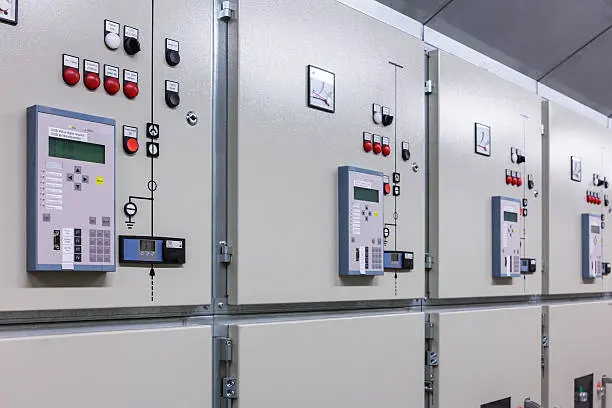
At the core of integration is the use of technologies like Programmable Logic Controllers (PLCs), Human-Machine Interfaces (HMIs), Supervisory Control and Data Acquisition (SCADA) systems, and Industrial Internet of Things (IIoT) devices. These tools allow for communication and synchronization across the production environment, enabling centralized monitoring and control.
For example, a packaging line with integrated automation can automatically adjust machine speeds based on product flow, detect and respond to errors instantly, and send real-time performance data to managers—without human intervention.
The Process of System Integration
- Assessment and Planning
- Every successful integration project begins with a thorough evaluation of existing systems, operational goals, and desired outcomes. Integration experts identify pain points, compatibility challenges, and opportunities for automation across processes.
- Design and Engineering
- After assessment, a detailed integration plan is developed. This includes selecting hardware and software components, designing the control logic, and planning the system architecture. This stage ensures all systems will communicate effectively and meet performance and safety standards.
- Installation and Configuration
- Hardware such as PLCs, sensors, motor drives, and HMIs are installed and configured. At the same time, integration engineers program the logic that will govern how the system operates and reacts to different inputs and conditions.
- Testing and Validation
- Before full deployment, systems undergo rigorous testing to identify and resolve issues. Functional tests, failure mode analysis, and stress testing ensure that everything runs smoothly under various operating conditions.
- Commissioning and Support
- Once validated, the system is launched in a live environment. Ongoing monitoring, maintenance, and training are provided to ensure continuous performance and adaptability.
Benefits of Automation System Integration
Investing in automation system integration provides long-term advantages that go beyond short-term efficiency:
- Improved Operational Efficiency: Integrated systems eliminate redundancies and streamline workflows, boosting throughput and reducing waste.
- Real-Time Data Access: Centralized monitoring and control allow for faster decision-making and proactive maintenance.
- Reduced Downtime: Automated alerts and diagnostics help detect issues before they lead to failures.
- Scalability: As your operations grow, integrated systems can be easily expanded or modified without overhauling the entire setup.
- Enhanced Quality Control: Automation ensures consistent output and real-time feedback, leading to higher product quality.
- Cost Savings: By minimizing labor, reducing errors, and optimizing energy use, integrated systems deliver a strong return on investment.
Industries That Benefit from System Integration
Automation system integration is critical across various sectors, including:
- Manufacturing: Streamlining production lines and reducing bottlenecks.
- Food & Beverage: Maintaining quality standards and complying with safety regulations.
- Pharmaceuticals: Ensuring traceability, cleanliness, and compliance.
- Logistics and Warehousing: Managing inventory and streamlining material handling.
- Energy and Utilities: Monitoring systems in real-time and reducing manual oversight.
Why Partner with Xautomationllc.com?
For businesses seeking expert automation solutions, Xautomationllc.com is a leading name in the industry. With years of experience in custom integration projects, Xautomation LLC provides complete solutions—from consultation and design to implementation and support.
What makes Xautomationllc.com a preferred automation partner?
- Comprehensive Expertise: Their team has deep knowledge of electrical engineering, PLC/HMI programming, SCADA systems, and industrial networking.
- Customized Solutions: Every integration project is tailored to the client’s unique goals, constraints, and growth plans.
- Certified Quality: They follow industry best practices and comply with UL 508A, NEC, and IEC standards to ensure safety and reliability.
- Turnkey Services: From hardware procurement and panel building to commissioning and troubleshooting, they manage every aspect of integration.
Whether you're upgrading a legacy system or implementing automation for the first time, Xautomationllc.com delivers the reliability and innovation your operations demand.
Conclusion
Automation system integration is the foundation for intelligent, connected operations in the modern industrial landscape. It bridges the gap between equipment, software, and data—turning isolated processes into a cohesive, efficient, and scalable system.
As businesses continue to digitize and innovate, working with experienced integrators like Xautomationllc.com ensures that your systems are built not only for today’s needs but also for tomorrow’s growth. Invest in integration now, and empower your business to run smarter, safer, and stronger.